
In an era where skincare routines are increasingly scrutinized for ingredient transparency, many people are turning back to nature. Commercial facial toners often contain alcohol, synthetic fragrances, and preservatives that can irritate sensitive skin or disrupt the skin’s natural pH balance. A natural alternative—crafted at home with just two key ingredients—offers a gentler, customizable solution. Apple cider vinegar and rose water, when combined properly, create a refreshing, balancing facial toner suitable for various skin types. This guide walks through the science behind these ingredients, the step-by-step process of making the toner, and best practices for safe, consistent use.
The Science Behind Apple Cider Vinegar and Skin Health
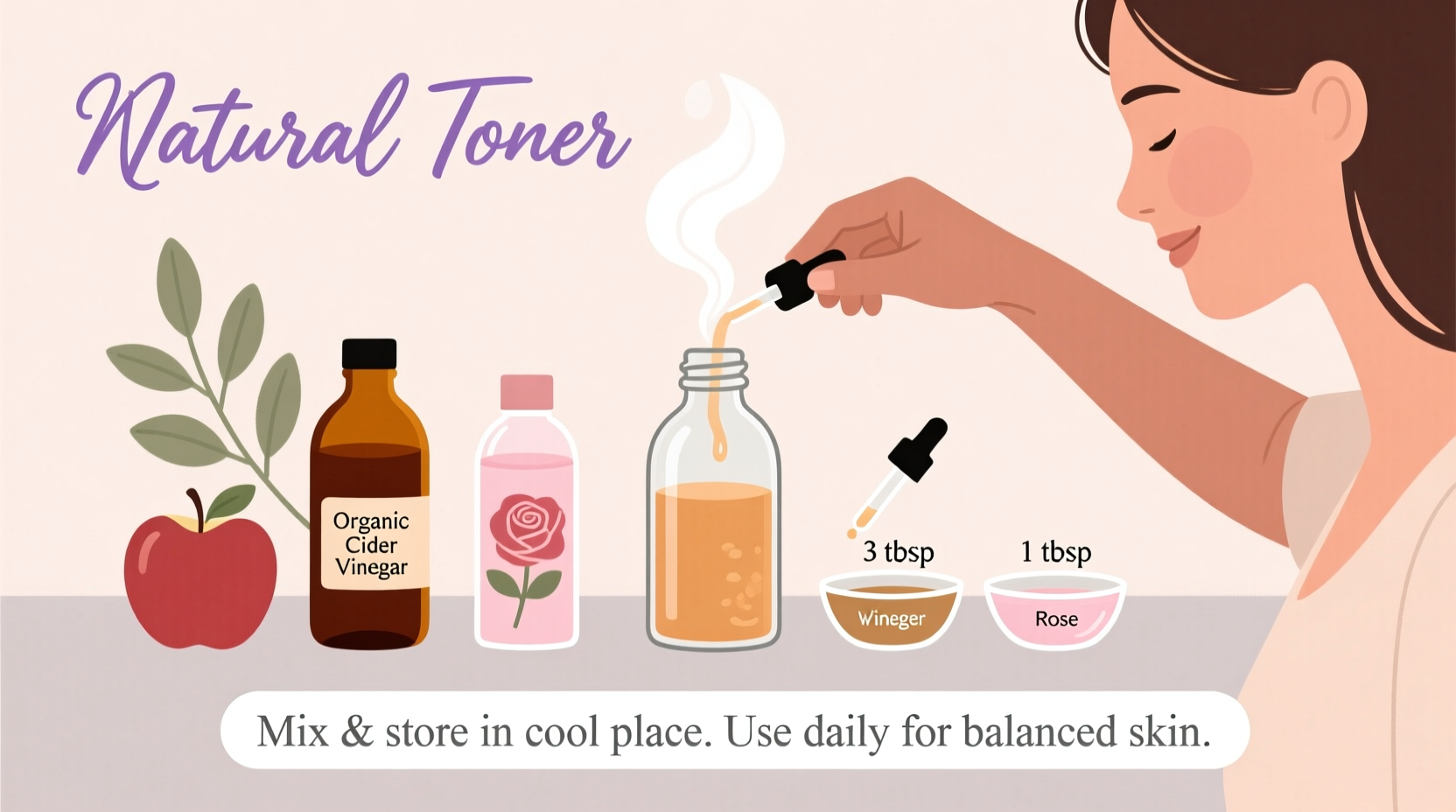
Apple cider vinegar (ACV) has been used in traditional skincare for centuries. Its primary active component is acetic acid, which possesses antimicrobial and exfoliating properties. When applied topically in diluted form, ACV helps regulate the skin’s pH, typically around 4.5–5.5. Maintaining this slightly acidic environment supports the skin barrier, discourages acne-causing bacteria, and enhances moisture retention.
Additionally, ACV contains alpha-hydroxy acids (AHAs), such as malic acid, which gently exfoliate dead skin cells. This promotes cell turnover, revealing brighter, smoother skin over time. However, undiluted ACV is highly acidic and can cause irritation or chemical burns. It must always be diluted before topical application.
Rose Water: Nature’s Soothing Elixir
Rose water, derived from steam-distilled rose petals, has long been revered in Persian and Ayurvedic medicine for its calming and hydrating effects. Rich in antioxidants like flavonoids and vitamin C, it combats oxidative stress and inflammation. Its mild astringent properties help tighten pores without over-drying, making it ideal for combination and oily skin.
Beyond its functional benefits, rose water offers aromatherapeutic advantages. The subtle floral scent can reduce stress—a known trigger for breakouts and flare-ups like rosacea. When paired with ACV, rose water not only balances the acidity but also adds a layer of hydration and comfort, especially for those with dry or sensitive skin.
“Natural toners made with rose water and diluted apple cider vinegar can support the skin’s microbiome while offering gentle exfoliation—something many commercial products fail to do.” — Dr. Lena Patel, Holistic Dermatology Consultant
Step-by-Step Guide to Making Your Natural Facial Toner
Creating your own facial toner is simple, cost-effective, and allows full control over ingredient quality. Follow this timeline to prepare a batch that lasts up to six weeks.
- Gather Supplies (5 minutes): You’ll need a glass mixing bowl, a funnel, a dark glass spray bottle (8 oz), distilled or boiled cooled water, raw unfiltered apple cider vinegar, and pure rose water (preferably organic).
- Mix Ingredients (3 minutes): Combine 1 part apple cider vinegar with 2 parts rose water. For sensitive skin, start with a 1:3 ratio (1 part ACV to 3 parts rose water). Add 1–2 tablespoons of distilled water to further dilute if needed.
- Transfer to Bottle (2 minutes): Use a funnel to pour the mixture into a sterilized amber or cobalt glass spray bottle. Dark glass protects the solution from light degradation.
- Label and Store (1 minute): Label the bottle with the date and contents. Store in the refrigerator for optimal freshness and a cooling effect upon application.
- Wait Before Use (Optional): Let the mixture sit for 24 hours to allow components to harmonize, though immediate use is safe.
Shake gently before each use. Apply with a cotton pad or spritz directly onto clean skin after cleansing, morning and night.
Do’s and Don’ts of Using a DIY ACV-Rose Water Toner
| Do’s | Don’ts |
|---|---|
| Always patch test on your inner arm before facial use. | Never apply undiluted apple cider vinegar to the skin. |
| Use filtered or distilled water to avoid impurities. | Don’t store the toner in plastic containers—glass is essential. |
| Refrigerate to extend shelf life and enhance soothing effects. | Avoid contact with eyes or broken skin. |
| Start with once-daily use to assess tolerance. | Don’t use if you experience persistent stinging or redness. |
| Follow with moisturizer to lock in hydration. | Never leave the toner on overnight without rinsing (unless well-tolerated). |
Skin Type Considerations and Customization Tips
This base recipe is adaptable. Understanding your skin type ensures optimal results and prevents adverse reactions.
- Oily/Acne-Prone Skin: Can tolerate the standard 1:2 ratio. The astringency of ACV helps control sebum production. Consider adding 2–3 drops of tea tree oil for enhanced antibacterial action.
- Dry/Sensitive Skin: Begin with a 1:4 ratio (ACV to rose water) and use only every other day. Add 1 teaspoon of aloe vera gel to boost hydration and soothe irritation.
- Combination Skin: The 1:2 ratio works well. Apply more heavily on the T-zone, lightly on cheeks.
- Mature Skin: Rose water’s antioxidant content supports elasticity. Pair with a hyaluronic acid serum after toning to plump fine lines.
Mini Case Study: Sarah’s Journey to Balanced Skin
Sarah, a 32-year-old graphic designer, struggled with recurring hormonal breakouts and flaky patches along her jawline. Over-the-counter toners containing alcohol left her skin tight and irritated. After researching natural alternatives, she began using a homemade toner with a 1:3 ratio of ACV to rose water, refrigerated and applied nightly with a reusable cotton round.
Within two weeks, she noticed fewer mid-cycle pimples and less visible redness. By week four, her skin felt more resilient, with improved texture and fewer dry spots. She attributed the success not only to the toner but also to consistency and avoiding harsh cleansers. “It’s the first product that didn’t make my skin feel stripped,” she said. “I even use it as a midday refresher when I’m stressed.”
Frequently Asked Questions
How often should I use this toner?
Begin with once daily—preferably at night—to monitor how your skin reacts. If well-tolerated, you can increase to twice daily. Those with sensitive skin may prefer every other day. Adjust based on your skin’s response.
Can I substitute tap water for distilled water?
It’s not recommended. Tap water may contain chlorine, fluoride, or microbes that could destabilize the formula or irritate the skin. Boiled and cooled tap water is acceptable in a pinch, but distilled or filtered water is safer and more stable.
How long does the homemade toner last?
When stored in a sealed, dark glass bottle in the refrigerator, the toner remains effective for 4–6 weeks. Discard if you notice cloudiness, odor changes, or mold. To extend shelf life, add 1–2 drops of grapefruit seed extract (a natural preservative), though this may increase sensitivity in some individuals.
Checklist: Preparing and Using Your Natural Toner Safely
- ☐ Choose raw, unfiltered apple cider vinegar with the mother
- ☐ Use pure, additive-free rose water (check labels for alcohol or synthetic fragrances)
- ☐ Prepare mixture in a clean glass container
- ☐ Dilute ACV properly—never use full strength
- ☐ Conduct a patch test on the inner forearm for 24 hours
- ☐ Store in the refrigerator in a dark glass bottle
- ☐ Shake gently before each use
- ☐ Apply after cleansing, before moisturizing
- ☐ Monitor skin response and adjust frequency or ratio as needed
- ☐ Replace after six weeks or sooner if signs of spoilage appear
Why Homemade Toners Are Gaining Popularity
The shift toward DIY skincare reflects broader consumer trends: transparency, sustainability, and personalization. Many mass-market products contain unnecessary fillers and preservatives that serve shelf stability rather than skin health. By making your own toner, you eliminate exposure to parabens, sulfates, and artificial scents.
Moreover, crafting your own products reduces plastic waste and packaging. A single glass bottle can be reused indefinitely, and ingredients are often bought in bulk with minimal environmental impact. Economically, a month’s supply costs under $3—far less than premium branded toners.
But beyond cost and ecology, there’s empowerment in knowing exactly what touches your skin. When you understand the role of each ingredient, skincare becomes intentional, not ritualistic.
Final Thoughts and Call to Action
Making your own natural facial toner with apple cider vinegar and rose water is more than a trend—it’s a return to mindful, informed self-care. With just a few simple steps, you can create a product that respects your skin’s biology, avoids harmful additives, and fits seamlessly into a holistic wellness routine. While results vary by individual, most users report improved clarity, reduced breakouts, and a healthier skin barrier within weeks.
The real power lies in consistency and observation. Pay attention to how your skin responds. Adjust ratios, frequency, and complementary products as needed. Skincare is not one-size-fits-all, and your body will tell you what works best.




 浙公网安备
33010002000092号
浙公网安备
33010002000092号 浙B2-20120091-4
Comments
No comments yet. Why don't you start the discussion?