
Freshening up a room shouldn’t require synthetic fragrances or harsh chemicals. Commercial air fresheners often contain volatile organic compounds (VOCs), phthalates, and artificial scents that can irritate the respiratory system and contribute to indoor air pollution. A better alternative? Make your own natural room spray using just two core ingredients: essential oils and vodka. This DIY solution is not only safer but also more cost-effective, customizable, and environmentally friendly. In less than ten minutes, you can create a luxurious, aromatic mist tailored to your mood, season, or room purpose—be it calming lavender for the bedroom or invigorating citrus for the home office.
The Science Behind Natural Room Sprays
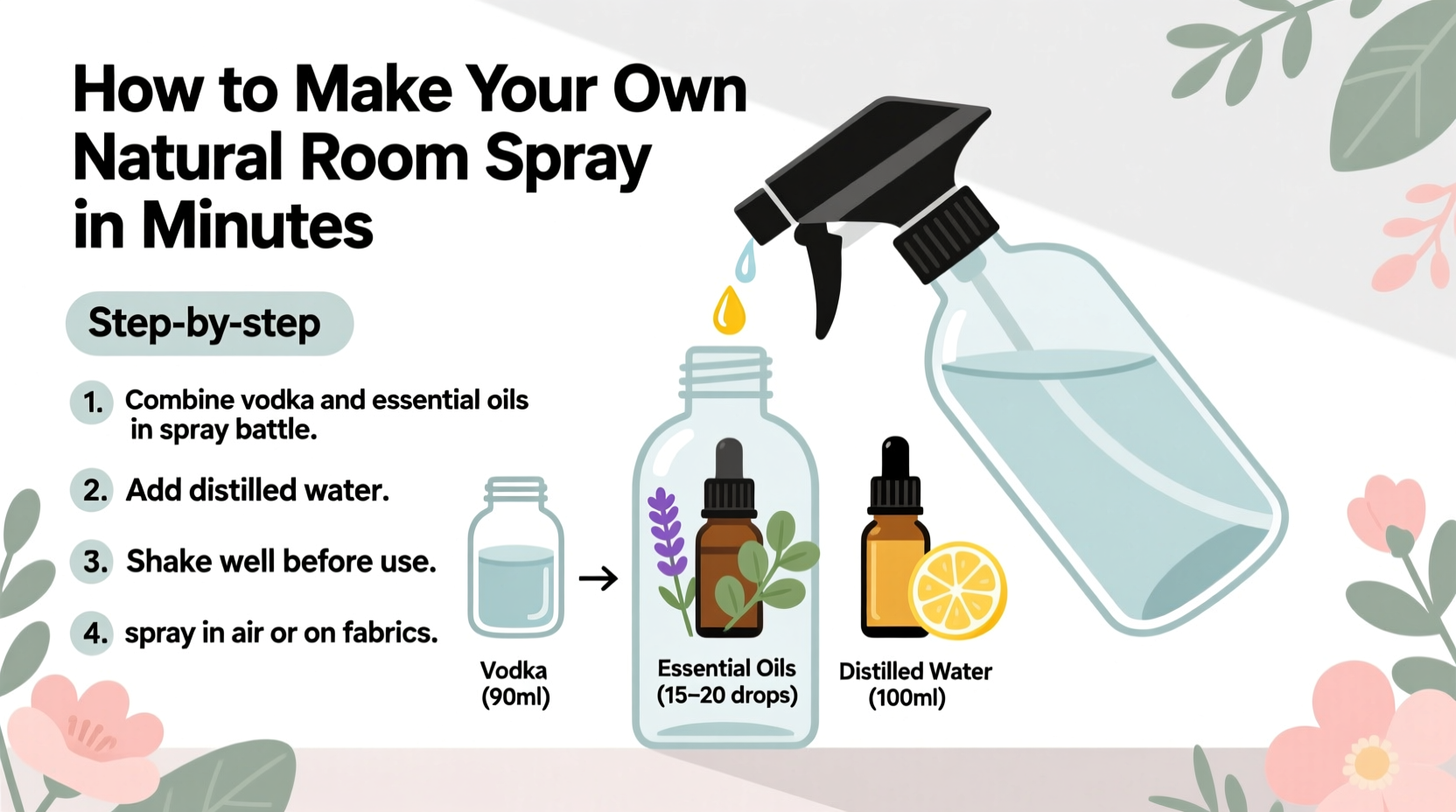
Unlike aerosol sprays that rely on propellants and chemical solvents, a homemade room spray uses alcohol as both a preservative and dispersant. Vodka, specifically, is ideal because it’s clear, odorless when diluted, and contains 40% ethanol—enough to dissolve essential oils and prevent microbial growth in water-based solutions. When combined with essential oils, which are concentrated plant extracts, the result is a stable, fast-evaporating mist that evenly distributes fragrance without leaving residue.
Essential oils do more than scent the air. Many have documented antimicrobial, antifungal, and mood-modulating properties. For example, tea tree oil has been shown to inhibit airborne bacteria, while bergamot and lemon oils can elevate mood and reduce stress markers like cortisol. According to Dr. Jane Buckle, a clinical aromatherapist and author of *Clinical Aromatherapy: Essential Oils in Healthcare*, “When used correctly, essential oils can support emotional well-being and improve environmental hygiene.”
“Essential oils aren’t just about smell—they interact with our limbic system and can influence mood, focus, and even sleep quality.” — Dr. Jane Buckle, Clinical Aromatherapist
Why Choose Vodka Over Other Alcohols?
You might wonder why vodka is preferred over rubbing alcohol or perfumer’s alcohol. The answer lies in safety, stability, and accessibility. Rubbing alcohol (isopropyl) evaporates quickly but leaves behind a medicinal odor and can be toxic if inhaled in large amounts. Perfumer’s alcohol is excellent but often expensive and hard to source. Vodka, especially plain, unflavored varieties with at least 80 proof (40% ABV), strikes the perfect balance: it’s food-grade, widely available, and gentle enough for household use around children and pets—provided it's used appropriately.
Additionally, vodka helps emulsify the essential oils into the water base. Since essential oils are hydrophobic (they don’t mix with water), the alcohol acts as a bridge, ensuring the oils disperse evenly throughout the liquid and don’t separate immediately after shaking.
Step-by-Step Guide to Making Your Natural Room Spray
Creating your own room spray is simple and requires minimal equipment. Follow this detailed process to ensure a high-quality, long-lasting product.
- Gather your materials: You’ll need a clean glass spray bottle (preferably amber or cobalt blue to protect from light), 1/4 cup (60 ml) of vodka, 1 1/2 cups (360 ml) of distilled water, 30–50 drops of essential oils, and optionally, a funnel.
- Sanitize the bottle: Wash the spray bottle and nozzle with hot, soapy water. Rinse thoroughly and let dry completely to avoid contamination.
- Add the vodka: Pour 60 ml of vodka into the bottle. This will act as your solubilizer and preservative.
- Drop in essential oils: Add your chosen essential oils. Start with 30 drops for a mild scent; increase to 50 for stronger fragrance. You can use single oils or blend them for complex notes.
- Pour in distilled water: Fill the rest of the bottle with distilled water. Tap water contains minerals and microbes that can shorten shelf life.
- Shake well: Secure the spray top and shake vigorously for 15–20 seconds to combine the oils and alcohol with the water.
- Label and cure: Label the bottle with the date and ingredients. Let it sit for 24–48 hours before first use. This “curing” period allows the alcohol to fully bind with the oils, enhancing scent throw and stability.
Best Essential Oil Blends for Every Room
The beauty of DIY room sprays lies in customization. Here are proven blends based on function and ambiance:
- Relaxing Lavender & Chamomile: 20 drops lavender, 10 drops Roman chamomile. Ideal for bedrooms to promote sleep.
- Uplifting Citrus Burst: 15 drops sweet orange, 10 drops grapefruit, 5 drops lemon. Perfect for kitchens and bathrooms.
- Focus & Clarity: 15 drops rosemary, 10 drops peppermint, 5 drops frankincense. Great for home offices or study areas.
- Clean Linen Scent: 15 drops litsea cubeba, 10 drops bergamot, 5 drops cedarwood. Mimics fresh laundry without synthetic musks.
- Antimicrobial Defense: 15 drops tea tree, 10 drops eucalyptus, 10 drops lemon. Use in entryways or during cold season.
When blending, consider the note structure: top notes (citrus, mint) evaporate first, middle notes (lavender, rosemary) form the heart, and base notes (cedarwood, patchouli) linger longest. Balancing these creates a dynamic, evolving aroma.
Do’s and Don’ts of DIY Room Sprays
| Do’s | Don’ts |
|---|---|
| Use distilled or boiled-cooled water to extend shelf life | Use tap water—it can introduce bacteria and cloudiness |
| Shake well before each use | Store in direct sunlight—it degrades essential oils |
| Test spray on a small area if using near fabrics | Spray directly onto wood finishes or delicate surfaces |
| Label bottles clearly with ingredients and date | Use expired or oxidized essential oils |
| Dilute properly—never use undiluted essential oils in sprays | Overuse strong oils like cinnamon or clove, which can be irritating |
Storage and Shelf Life Tips
A properly made natural room spray can last 2–3 months when stored correctly. To maximize longevity:
- Keep the bottle in a cool, dark place—like a linen closet or under the sink.
- Avoid humid environments such as bathrooms unless used daily.
- If you notice cloudiness, separation that doesn’t resolve with shaking, or an off smell, discard the spray.
- For longer shelf life, increase the vodka ratio to 1:1 with water (though this may intensify the initial alcohol scent).
Real-Life Example: Refreshing a Stale Guest Room
Sarah, a holistic living blogger from Portland, struggled with her guest room smelling musty despite regular cleaning. She didn’t want to use chemical sprays around her asthmatic sister who often visited. Instead, she created a custom blend using 20 drops of pine (for freshness), 15 of lemon (to cut through odors), and 5 of lavender (for comfort). After spraying lightly every few days and placing an open jar of baking soda nearby, guests began commenting on how “crisp and inviting” the room felt. Within weeks, her sister reported easier breathing and better sleep. Sarah now rotates seasonal sprays—peppermint in winter, citrus in summer—and keeps extras on hand for quick refreshes before visitors arrive.
Frequently Asked Questions
Can I use witch hazel instead of vodka?
Yes, but with caveats. Witch hazel is gentler and has a milder scent, but it contains less alcohol (typically 14–15%), making it less effective at preserving the spray or dispersing oils. If you use witch hazel, expect a shorter shelf life (1–2 weeks) and more frequent shaking. A better option is to use a 50/50 mix of witch hazel and higher-proof alcohol for balance.
Is it safe to use around pets?
Many essential oils are toxic to cats and dogs, especially tea tree, eucalyptus, citrus, and peppermint. If you have pets, avoid spraying in their immediate vicinity or choose pet-safe oils like lavender (in low concentrations) and diffuse only in well-ventilated areas. Always consult your veterinarian before introducing new scents into a pet-inhabited home.
Why does my spray smell like alcohol at first?
It’s normal for the alcohol scent to be noticeable right after spraying. It dissipates within seconds as the ethanol evaporates, releasing the essential oil fragrance. If the smell lingers, try reducing the water-to-alcohol ratio slightly or letting the mixture cure for 48 hours before use.
Checklist: Make Your First Natural Room Spray
- ☐ Gather a 4–8 oz glass spray bottle
- ☐ Sanitize bottle and let dry completely
- ☐ Measure 60 ml (1/4 cup) of 80-proof vodka
- ☐ Select 30–50 drops of essential oils (single or blended)
- ☐ Add oils to the bottle, followed by 360 ml (1 1/2 cups) distilled water
- ☐ Shake well and label with date and ingredients
- ☐ Let sit 24–48 hours before use
- ☐ Store in a cool, dark place and shake before each use
Conclusion: Transform Your Space Naturally
Making your own natural room spray isn’t just a craft—it’s an act of self-care and environmental mindfulness. With just a few drops of essential oil and a splash of vodka, you gain control over what you breathe indoors. No hidden toxins, no artificial perfumes, no guilt. Whether you’re refreshing a stuffy hallway, setting a serene mood for bedtime, or welcoming guests with a signature scent, this simple DIY empowers you to live more intentionally. Best of all, once you master the basics, you can experiment endlessly—seasonal blends, gift bottles for friends, or even personalized sprays that reflect your personality. The only limit is your imagination.




 浙公网安备
33010002000092号
浙公网安备
33010002000092号 浙B2-20120091-4
Comments
No comments yet. Why don't you start the discussion?