
In a world saturated with synthetic fragrances and chemical-laden air fresheners, many people are turning back to nature for safer, more intentional ways to scent their homes. Commercial sprays often contain volatile organic compounds (VOCs), phthalates, and artificial preservatives that can irritate the respiratory system and degrade indoor air quality. Making your own room spray with essential oils is not only healthier—it’s also customizable, cost-effective, and environmentally responsible. With just a few simple ingredients, you can create a fragrance that uplifts, calms, or energizes, all without introducing toxins into your living space.
Why Ditch Chemical Air Fresheners?
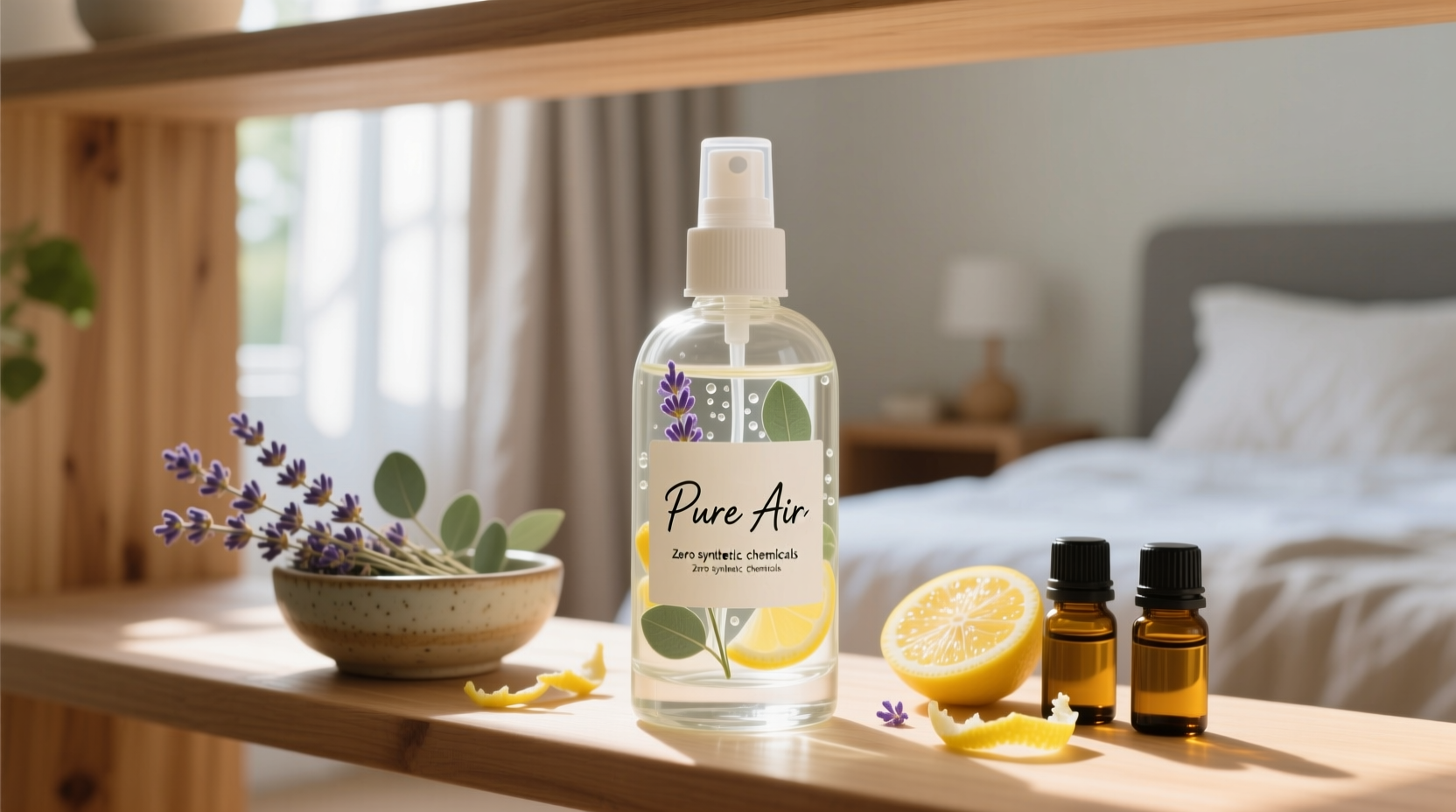
The appeal of a consistently scented home is understandable, but most store-bought air fresheners rely on hidden chemicals to deliver long-lasting aroma. According to the Environmental Working Group (EWG), many of these products release formaldehyde, benzene, and other known carcinogens—even when labeled “natural” or “unscented.” These substances contribute to poor indoor air quality, which the U.S. Environmental Protection Agency (EPA) says can be two to five times worse than outdoor pollution.
Essential oils, in contrast, are extracted directly from plants and retain therapeutic properties. When used properly, they offer aromatic benefits along with antimicrobial, antifungal, or mood-enhancing effects. Lavender may help reduce anxiety, citrus oils like sweet orange can boost alertness, and tea tree has natural disinfecting qualities. By crafting your own spray, you control exactly what goes into it—no mystery ingredients, no greenwashing, just pure plant power.
Essential Ingredients and Their Roles
A natural room spray requires only three core components: distilled water, a dispersant, and essential oils. Each plays a critical role in both performance and safety.
- Distilled Water: Tap water contains minerals and microbes that can shorten shelf life or cloud the solution. Distilled water is sterile and neutral, making it ideal for dilution.
- Dispersant (Carrier): Essential oils don’t mix with water on their own. A dispersant helps emulsify the oils so they distribute evenly when sprayed. Common options include:
- Vodka or Everclear (at least 40% alcohol): Acts as a solvent and preservative. Evaporates quickly, leaving no residue.
- Vegetable Glycerin: Thicker and slightly sweet-smelling; best for longer-lasting scents but may leave a faint film on surfaces.
- Witch Hazel: A gentle alternative with mild astringent properties. Ensure it’s alcohol-free if sensitivity is a concern.
- Essential Oils: Choose high-quality, 100% pure oils from reputable brands. Avoid “fragrance oils,” which are typically synthetic.
The ratio matters. Too much oil can overwhelm the senses or irritate sensitive individuals; too little won’t provide lasting scent. A standard formula uses:
| Component | Amount (for 4 oz / 120 ml bottle) | Purpose |
|---|---|---|
| Distilled Water | 3.5 oz (105 ml) | Diluent base |
| Vodka or Witch Hazel | 0.5 oz (15 ml) | Dispersant & preservative |
| Essential Oils | 20–30 drops total | Fragrance & therapeutic effect |
“Essential oils are potent plant extracts. Respect their strength by using them mindfully and storing them safely away from children and pets.” — Dr. Julia Peterson, Integrative Aromatherapist
Step-by-Step Guide to Crafting Your Spray
Creating a personalized room spray takes less than ten minutes and requires minimal equipment. Follow this timeline to get it right every time.
- Gather Supplies: You’ll need a clean 4 oz amber or cobalt glass spray bottle (to protect oils from light), a small funnel, measuring tools, and your chosen ingredients.
- Add Dispersant First: Pour 0.5 oz of vodka, witch hazel, or glycerin into the bottle. This ensures even mixing later.
- Measure Essential Oils: Using a dropper, add 20–30 drops of essential oils. For balanced blends, combine top, middle, and base notes (see next section).
- Fill with Water: Top off the bottle with distilled water, leaving a small gap at the top to allow for shaking.
- Label and Shake: Secure the spray nozzle and label the bottle with contents and date. Shake well before each use to remix the oils.
- Cure (Optional): Let the blend sit for 24 hours before first use. This allows the aroma to mellow and harmonize.
Shelf life varies depending on ingredients. Sprays made with alcohol can last up to 6 months; those with glycerin or no preservative should be used within 4–6 weeks and stored in the refrigerator to prevent microbial growth.
Designing Effective Scent Blends
The art of blending essential oils lies in balancing volatility and emotional impact. Perfumers classify scents into three categories based on how quickly they evaporate:
- Top Notes: Bright, sharp, and fast-evaporating (e.g., lemon, grapefruit, peppermint). They hit the nose first.
- Middle Notes: Floral or herbal tones that form the heart of the blend (e.g., lavender, rosemary, geranium).
- Base Notes: Deep, earthy, slow-releasing scents (e.g., cedarwood, patchouli, sandalwood) that anchor the fragrance.
A well-rounded blend typically includes all three layers. Here are three proven recipes:
Revitalizing Morning Mist
- 15 drops Sweet Orange (top)
- 10 drops Peppermint (top)
- 5 drops Rosemary (middle)
Perfect for kitchens or home offices. Energizing and mentally clarifying.
Tranquil Evening Calm
- 12 drops Lavender (middle)
- 8 drops Bergamot (top)
- 10 drops Cedarwood (base)
Ideal for bedrooms. Promotes relaxation and supports sleep onset.
Purifying Air Refresh
- 10 drops Tea Tree (top)
- 10 drops Eucalyptus (top)
- 10 drops Lemon (top)
Great for bathrooms or during cold season. Naturally antimicrobial and deodorizing.
Safety, Storage, and Usage Best Practices
Natural doesn’t mean risk-free. Essential oils are highly concentrated and must be handled responsibly.
Do’s and Don’ts of DIY Room Sprays
| Do’s | Don’ts |
|---|---|
| Use dark glass bottles to protect oils from UV degradation | Use plastic containers—they can corrode and contaminate the blend |
| Shake well before each use | Leave the spray in direct sunlight or hot environments (e.g., cars) |
| Label bottles clearly with ingredients and date | Apply near open flames—alcohol-based sprays are flammable |
| Keep out of reach of children and pets | Use undiluted oils in sprays—this can cause irritation |
| Refrigerate if using water-heavy formulas without alcohol | Use on delicate fabrics like silk without testing first |
Some essential oils are toxic to pets, especially cats. Avoid tea tree, eucalyptus, citrus, and pine oils in households with animals unless thoroughly researched and vet-approved. People with asthma or allergies should introduce new scents gradually and ventilate rooms after spraying.
Real-Life Example: Transforming a Musty Basement Apartment
When Sarah moved into a ground-floor apartment in Portland, she struggled with persistent dampness and a stale odor despite regular cleaning. She avoided chemical air fresheners due to her partner’s asthma. Instead, she created a custom spray using 10 drops each of tea tree, lemon, and eucalyptus in a 4 oz alcohol-based formula. Within a week of daily use—spraying corners, behind furniture, and near vents—the air felt noticeably fresher. After two weeks, her partner reported fewer nighttime breathing issues. The blend not only masked odors but actively reduced airborne microbes. Six months later, she still uses the same recipe, rotating in winter blends with clove and orange for seasonal variety.
FAQ
Can I use tap water instead of distilled?
It’s not recommended. Tap water contains minerals and microorganisms that can promote bacterial growth and cloud your spray over time. Distilled water ensures purity and stability.
How often should I shake the bottle?
Every single time before use. Essential oils float on water, so shaking redistributes the fragrance evenly for consistent spritzing.
Are there any essential oils I should avoid in room sprays?
Yes. Avoid absolutes like jasmine or vanilla, which are expensive and rarely available in true essential oil form. Also steer clear of photosensitizing oils like bergamot (unless FCF-treated) if spraying near sunlit surfaces. Always research individual oil safety.
Checklist: Make Your First Natural Room Spray
- ☐ Gather a 4 oz amber glass spray bottle and funnel
- ☐ Choose 2–3 complementary essential oils (20–30 drops total)
- ☐ Measure 0.5 oz of vodka or witch hazel
- ☐ Add essential oils to the bottle
- ☐ Fill the rest with distilled water (approx. 3.5 oz)
- ☐ Secure the sprayer and label with ingredients and date
- ☐ Shake well and test in a small area
- ☐ Store in a cool, dark place and shake before each use
Conclusion
Making your own room spray with essential oils is more than a DIY project—it’s an act of self-care and environmental mindfulness. You reclaim control over what you breathe, support sustainable practices, and infuse your home with intention. Whether you’re seeking calm, clarity, or cleanliness, the right blend can transform your space naturally and beautifully. Start small, experiment thoughtfully, and enjoy the process of creating something truly your own.




 浙公网安备
33010002000092号
浙公网安备
33010002000092号 浙B2-20120091-4
Comments
No comments yet. Why don't you start the discussion?