
Pinecones are more than just forest floor treasures—they’re versatile, sustainable materials perfect for crafting natural home decor. When infused with subtle, plant-based fragrances, they become elegant, aromatic ornaments ideal for seasonal displays, holiday centerpieces, or year-round scent diffusers. Unlike synthetic air fresheners that emit volatile organic compounds (VOCs), homemade scented pinecones offer a safer, chemical-free alternative that enhances indoor air quality while filling your space with warmth and character.
The process is simple, accessible, and deeply satisfying. Whether you're gathering pinecones from a local park or reusing ones from last year’s wreath, this craft encourages mindfulness, creativity, and a closer connection to nature. More importantly, it allows complete control over ingredients—ensuring no harmful additives, artificial dyes, or flammable substances enter your home.
Why go natural with pinecone scents?
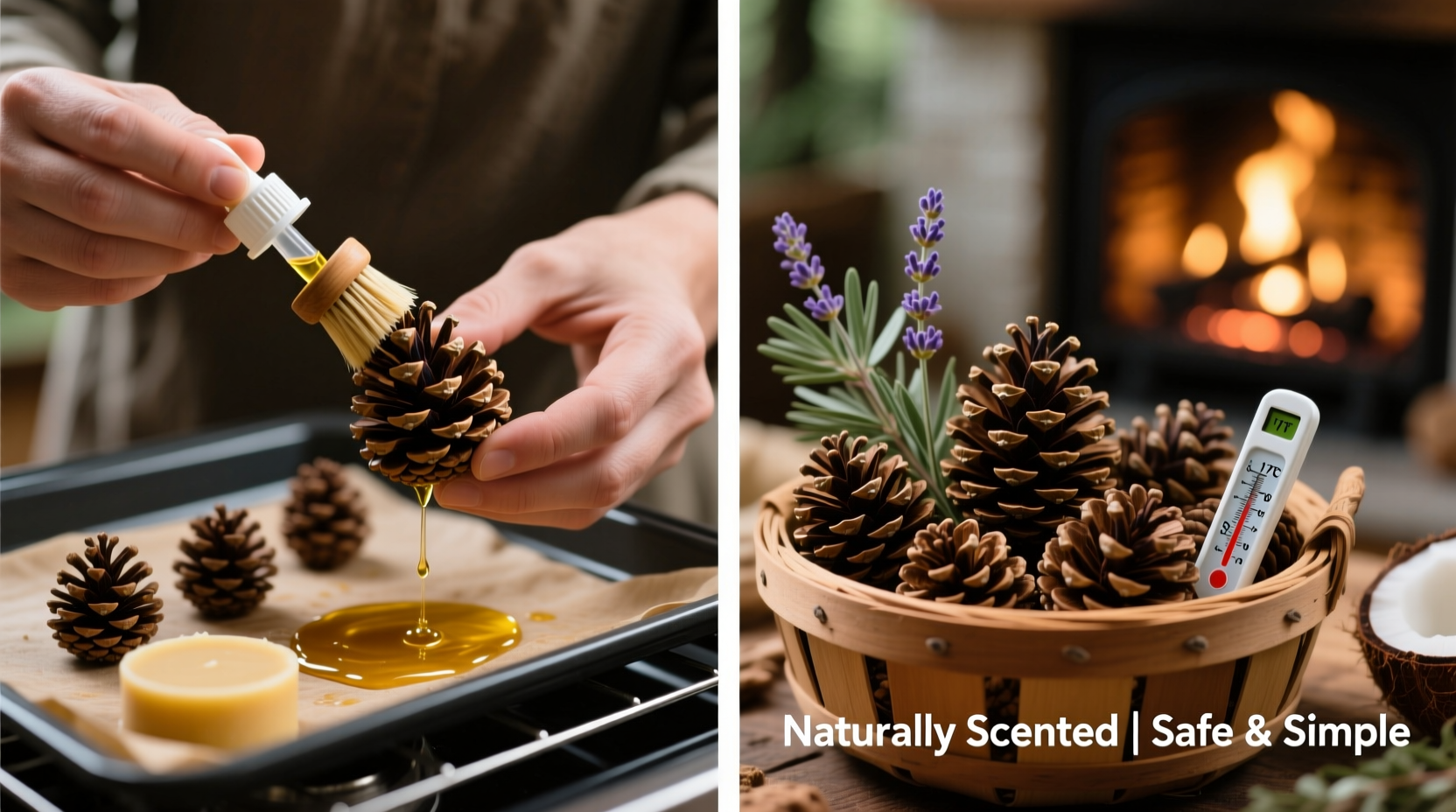
Commercially available scented pinecones often rely on paraffin wax, synthetic fragrance oils, and chemical binders to lock in aroma. These components can release toxins when heated or exposed to sunlight over time. Paraffin, derived from petroleum, emits soot and benzene—a known carcinogen—when burned. Even when not used near flames, synthetic fragrances may trigger allergies, headaches, or respiratory irritation, especially in sensitive individuals.
In contrast, naturally scented pinecones use pure essential oils, dried botanicals, and safe carriers like vegetable glycerin or witch hazel. These ingredients not only avoid health risks but also provide aromatherapeutic benefits. For example, lavender promotes relaxation, citrus uplifts mood, and cinnamon supports mental clarity.
“Natural scenting methods preserve both the integrity of the material and the well-being of those breathing the air. It’s sustainability with intention.” — Dr. Naomi Reed, Environmental Health Researcher
Step-by-step guide to creating safe, naturally scented pinecone decorations
Follow this detailed timeline to transform raw pinecones into beautifully fragrant, long-lasting decorations. Each stage ensures hygiene, optimal absorption, and lasting aroma without compromising safety.
- Collect and clean pinecones (Day 1 – 2 hours active, 24–48 hours drying)
Gather pinecones from areas free of pesticides, pet waste, or heavy foot traffic. Avoid roadside collection due to potential contamination. Rinse under lukewarm water to remove dirt and debris. Soak in a solution of 1 part white vinegar to 3 parts water for 20 minutes to eliminate insects, mold spores, and bacteria. Drain and lay flat on a baking sheet in a warm, dry area for 1–2 days until completely dry. - Prep your scenting mixture (Day 2 – 15 minutes)
Choose high-quality essential oils based on desired effect: peppermint for energy, eucalyptus for clarity, orange for cheerfulness, or clove-cinnamon blend for warmth. Combine 10 drops of essential oil per 1 tablespoon of carrier liquid. Use witch hazal extract or food-grade vegetable glycerin as a base—both help disperse oils evenly and prolong scent release without clogging the pinecone’s natural scales. - Apply the scent (Day 2 – 10 minutes)
Place cleaned, dry pinecones in a large glass bowl. Spritz or lightly brush the scent mixture onto the outer and inner layers of each cone. Do not saturate—over-application leads to oily residue and poor drying. Rotate every few hours during the first day to ensure even exposure. - Dry and cure (Day 3–5 – passive)
Set pinecones on a wire rack in a dust-free room with gentle airflow. Allow 2–3 days for full curing. The scent will mellow slightly but stabilize into a soft, enduring fragrance. Avoid direct sunlight, which can degrade essential oils and cause fading. - Display or package (Day 5 onward)
Once fully dry, arrange in bowls, hang with twine, or bundle into rustic wreaths. Store extras in breathable cotton bags away from heat sources.
Essential oils and botanical pairings for natural fragrance
Selecting the right scent profile transforms your pinecones from simple decor to sensory experiences. Below is a curated list of effective, naturally derived combinations proven to adhere well and diffuse steadily.
| Fragrance Profile | Essential Oils (Blend Ratio) | Botanical Additions | Aromatherapy Benefit |
|---|---|---|---|
| Winter Spice | 6 drops cinnamon, 3 cloves, 1 orange | Whole cloves tucked between scales | Warming, grounding |
| Forest Calm | 5 drops cedarwood, 3 lavender, 2 frankincense | Dried spruce tips or lichen pieces | Stress relief, focus |
| Citrus Renewal | 7 drops sweet orange, 2 lemon, 1 grapefruit | Thin lemon zest strips (optional) | Uplifting, energizing |
| Mint Clarity | 5 peppermint, 3 rosemary | Crumpled dried rosemary leaves | Mental alertness |
| Woodland Earth | 6 vetiver, 4 patchouli, 1 bergamot | Crushed dried moss | Balancing, meditative |
When adding physical botanicals, press them gently into the moistened pinecone during application. Avoid glues or adhesives; moisture and natural resins will hold them temporarily. Note that added plant matter may shorten shelf life slightly due to organic decomposition—rotate these into seasonal displays rather than permanent decor.
Safety considerations and what to avoid
Even natural ingredients require mindful handling. Essential oils are highly concentrated and must be diluted properly. Undiluted oils can damage surfaces, irritate skin, or harm pets, particularly cats and birds with sensitive respiratory systems.
- Never use alcohol-based perfumes or synthetic fragrance oils labeled “not for topical use.”
- Avoid heating pinecones in ovens unless strictly for drying before scenting—heat after oil application degrades fragrance and increases volatility.
- Do not coat pinecones in wax—this negates breathability and creates fire hazards if placed near candles or heaters.
- Keep away from open flames, radiators, or stovetops.
- Store out of reach of children and pets, despite natural ingredients.
“We see more cases of essential oil toxicity in pets every year—not because the oils are inherently dangerous, but because people assume ‘natural’ means ‘risk-free.’ Always dilute, ventilate, and supervise.” — Dr. Lena Choi, Veterinary Toxicologist
Real-world example: A family tradition reborn
The Peterson family from Vermont had always bought scented pinecone wreaths at holiday markets. After their youngest child developed asthma-like symptoms each winter, they investigated possible triggers. An environmental consultant suggested eliminating synthetic air fresheners—including decorative items. The family decided to try making their own.
They collected pinecones from their backyard in late autumn, cleaned them using the vinegar soak method, and experimented with blends using essential oils from a trusted apothecary. Their favorite mix—balsam fir, orange, and a hint of clove—mirrored the market scent they once loved, but without the headache-inducing aftereffects.
Now, crafting pinecones together has become a cherished weekend ritual. The children decorate small jars with labels and ribbons, gifting them to neighbors. “It feels better knowing exactly what’s in them,” says Sarah Peterson. “And honestly, they smell richer, more alive.”
Checklist: Making scented pinecones the safe, natural way
- ☐ Collect pinecones from a clean, chemical-free location
- ☐ Wash hands and work surface before starting
- ☐ Have vinegar, water, and drying racks ready
- ☐ Use glass or ceramic bowls (essential oils degrade plastic)
- ☐ Measure essential oils precisely—no more than 10 drops per tablespoon carrier
- ☐ Label all mixtures clearly
- ☐ Apply scent in a well-ventilated area
- ☐ Wear gloves if you have sensitive skin
- ☐ Lightly coat—do not soak—pinecones
- ☐ Cure for at least 48 hours before display
- ☐ Store extras in breathable containers
- ☐ Keep away from pets, children, and heat sources
Frequently asked questions
Can I use dried herbs instead of essential oils?
Yes, but with limitations. Ground herbs like cinnamon powder or dried lavender buds can be lightly pressed into damp pinecones. However, they release scent more weakly and may attract pests or mold over time. For stronger, longer-lasting fragrance, combine dried botanicals with a few drops of matching essential oil.
How long do naturally scented pinecones last?
With proper care, they retain noticeable fragrance for 4–8 weeks. Scent longevity depends on oil type (resinous oils like sandalwood last longer than citrus), storage conditions, and airflow. Refresh by placing in a sealed container with 3–5 extra oil drops for 12–24 hours.
Are these safe to use around pets?
With caution. While natural, many essential oils are toxic to cats and birds. Peppermint, tea tree, citrus, and pine oils should be avoided in homes with these animals. If in doubt, opt for pet-safe options like chamomile or calendula-infused glycerin sprays, or display pinecones in rooms pets don’t access.
Final thoughts: Craft with care, breathe with ease
Creating scented pinecone decorations isn’t just a craft—it’s an act of conscious living. By choosing natural methods, you protect your health, reduce reliance on disposable decor, and honor the quiet beauty of the outdoors. Each pinecone carries the whisper of the forest, now gently layered with intention and care.
This practice invites slowness, presence, and thoughtful choices. It proves that festive charm doesn’t require chemicals, glitter, or risk. Instead, it grows from clean hands, clear ingredients, and respect for nature’s balance.




 浙公网安备
33010002000092号
浙公网安备
33010002000092号 浙B2-20120091-4
Comments
No comments yet. Why don't you start the discussion?