
Oily skin can be both a blessing and a curse when it comes to fragrance. While natural oils help lock in moisture and may enhance scent diffusion, they can also alter how perfumes develop and evaporate. Many people with oily skin report that their favorite fragrances fade faster than expected or take on an unexpected sharpness after a few hours. The truth is, oil production affects the way aromatic molecules interact with the skin—sometimes accelerating evaporation, sometimes distorting notes. But with the right approach, you can turn oily skin into an asset for long-lasting scent.
The key lies not in fighting your skin type but in working with it. By understanding how sebum influences fragrance longevity and choosing application strategies accordingly, you can enjoy richer, more enduring wear from every spray.
Why Oily Skin Affects Perfume Longevity
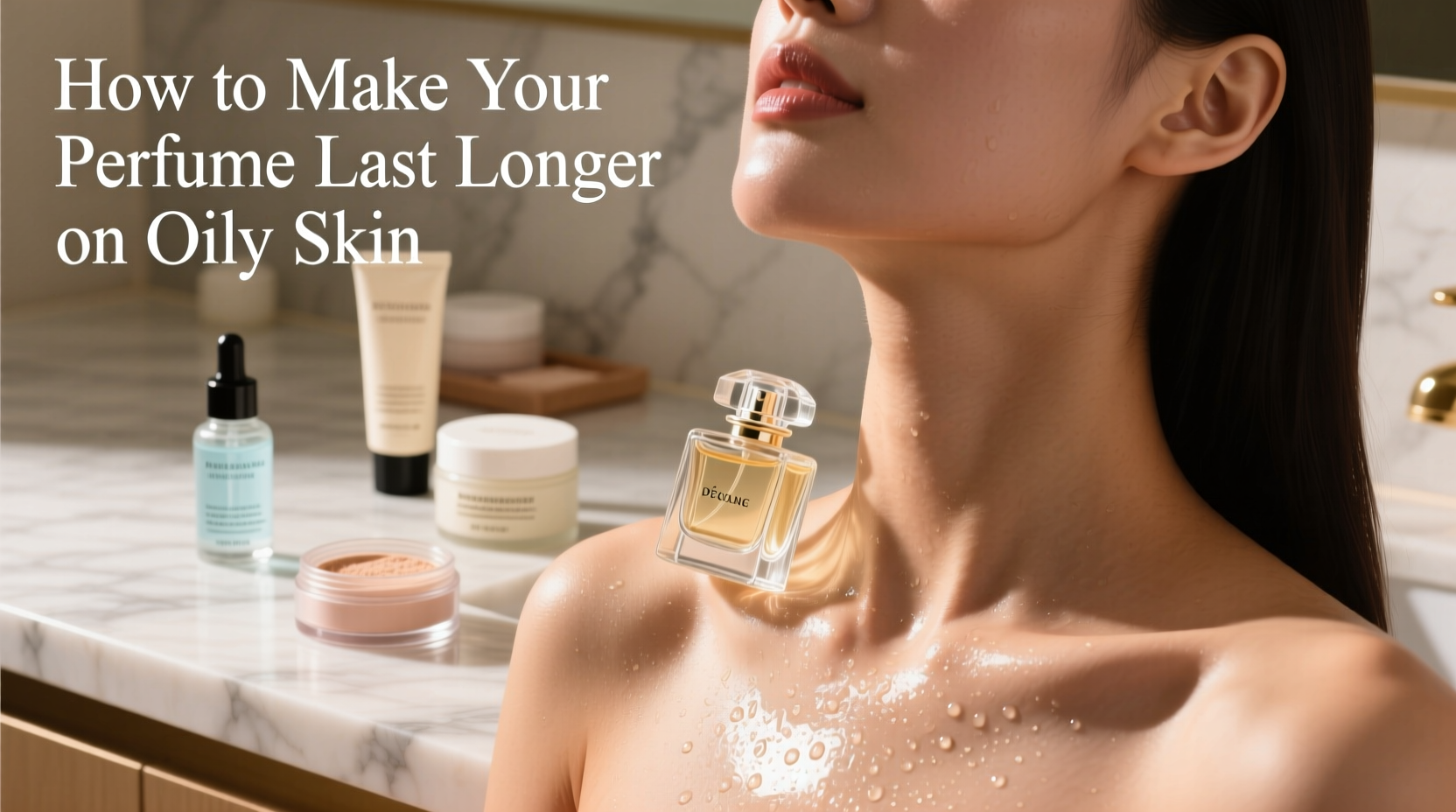
Skin chemistry plays a major role in how a fragrance performs. Sebum—the oily substance produced by sebaceous glands—contains lipids that can bind with certain fragrance compounds. In theory, this binding should help slow down evaporation and extend wear time. However, excess oil can create a barrier that prevents proper absorption of alcohol-based perfumes, causing them to sit on the surface and evaporate quickly under heat or friction.
Additionally, high sebum levels often correlate with warmer skin temperatures, which increases volatility of top notes. This means citrus, aldehydes, and light florals may disappear within minutes. On the flip side, base notes like vanilla, patchouli, and musk might become overly pronounced—or even rancid if mixed with oxidized oils.
“Fragrance performance isn’t just about concentration—it’s about compatibility between formula and skin biology.” — Dr. Lena Moreau, Cosmetic Chemist & Scent Formulation Specialist
Studies have shown that individuals with higher sebum output experience shorter effective wear times for eau de toilette (EDT) formulations compared to those with dry or normal skin. However, the same group often reports stronger sillage (the scent trail left behind), suggesting that while longevity suffers, projection may benefit.
Step-by-Step Guide: Maximizing Fragrance Wear on Oily Skin
Instead of trying to eliminate oil—which would disrupt your skin’s protective barrier—use these targeted steps to optimize how perfume interacts with your complexion.
- Cleanse Gently Before Application
Wash pulse points (wrists, neck, inner elbows) with a mild, pH-balanced cleanser 10–15 minutes before applying fragrance. This removes dirt and excess surface oil without stripping natural moisture. Avoid harsh soaps or scrubs, as irritation increases oil production later. - Apply a Hydrating Layer
Dampen skin lightly with a glycerin-rich toner or unscented hydrating mist. Then apply a lightweight, non-comedogenic moisturizer. Well-hydrated skin holds scent better than dehydrated skin—even oily types. Look for formulas with hyaluronic acid or ceramides that support the lipid barrier without greasiness. - Use Alcohol-Free Primers (Optional)
Consider using a fragrance primer designed for sensitive or oily skin. These products often contain fatty alcohols and silicones that create a neutral base for scent adhesion. Alternatively, dab a tiny amount of petroleum jelly on wrists before spraying—this creates a semi-permeable layer that slows evaporation. - Spray Strategically, Not Heavily
Focus on less-oily areas such as behind the ears, nape of the neck, or lower back. Avoid rubbing wrists together after spraying—this breaks down delicate top notes and accelerates oxidation due to friction and warmth. - Reapply Smartly Throughout the Day
Carry a travel-sized atomizer filled with your signature scent. Reapply midday, but only after blotting excess oil with a tissue or blotting paper. Never layer over sweaty or heavily oiled skin.
Fragrance Selection: What Works Best on Oily Skin?
Not all perfumes behave the same on oily skin. Some thrive; others deteriorate rapidly. Understanding fragrance families and concentrations helps you choose wisely.
| Fragrance Type | Performance on Oily Skin | Recommendation |
|---|---|---|
| Floral Aldehydes | Poor – Top notes degrade quickly | Avoid or reserve for cool weather |
| Citrus Eaux | Very Poor – High volatility + heat = fast fade | Use only in winter or air-conditioned environments |
| Oriental/Amber | Excellent – Binds well with sebum, lasts 8+ hours | Top choice for daily wear |
| Woody/Chypre | Good – Earthy base notes deepen over time | Ideal for evening use |
| Gourmand (Vanilla/Musk) | Variable – Can turn cloying if overheated | Choose lighter versions; avoid heavy syrupy blends |
Eau de parfum (EDP) and extrait de parfum are superior choices for oily skin due to their higher oil content and lower alcohol percentage. They resist dilution from sebum and tend to evolve more gracefully throughout the day.
Real Example: Sarah’s Scent Transformation
Sarah, a 32-year-old marketing executive with combination-oily skin, struggled with her favorite floral-citrus EDT disappearing within two hours. She switched to a layered routine: cleansing with a micellar water, applying a hyaluronic serum, then spritzing an amber-vanilla EDP behind her knees and on her collarbone. She avoided wrist application entirely. Result? Her fragrance now lasts through workdays and lingers faintly into the evening—without becoming overpowering. “I used to think my skin ‘ate’ perfume,” she says. “Now I realize I was applying it wrong.”
Checklist: Daily Routine for Long-Lasting Fragrance on Oily Skin
- ☐ Cleanse pulse points gently before fragrance use
- ☐ Apply oil-free moisturizer or hydrating toner
- ☐ Wait 5 minutes for skin to absorb product
- ☐ Choose EDP or parfum concentration over EDT
- ☐ Spray on hair, clothes, or less-oily body zones
- ☐ Blot excess oil before reapplying
- ☐ Store perfume away from heat and sunlight
- ☐ Rotate fragrances seasonally (lighter scents in summer, heavier in winter)
Common Mistakes That Shorten Scent Life
Even with good intentions, small habits can sabotage your fragrance's staying power. Here are frequent errors—and how to correct them:
- Rubbing wrists together: Creates friction that heats up the scent and breaks down volatile molecules. Instead, let the mist settle naturally.
- Applying to freshly washed, bare skin: Without a hydration layer, alcohol in perfume evaporates rapidly, taking the scent with it.
- Using strongly scented lotions underneath: Competing aromas distort the intended fragrance profile. Always use unscented or matching-scent bases.
- Storing perfume in the bathroom: Humidity and temperature fluctuations degrade formulas over time. Keep bottles in a cool, dark drawer instead.
- Over-applying: Too much fragrance overwhelms the senses and accelerates olfactory fatigue. Two to three sprays are usually sufficient.
FAQ: Your Questions Answered
Does oily skin make perfume smell different?
Yes. Sebum contains fatty acids that react with fragrance components, potentially amplifying warm, sweet, or musky notes while muting fresh or green accords. This is why a perfume may smell richer or slightly sour on oily skin after several hours.
Can I use setting spray to lock in fragrance?
While facial setting sprays aren’t designed for body fragrance, some people lightly mist their clothing with a fine perfume fixative (like a dedicated scent extender). However, avoid direct contact with skin unless the product is formulated for dual use—some ingredients may clog pores or irritate oily complexions.
Is it better to apply perfume to clothes or skin if I have oily skin?
Clothing offers a stable, oil-free surface ideal for consistent scent release. Natural fibers like cotton, wool, and silk absorb fragrance well. Just be cautious with dark or concentrated perfumes—they can stain. Applying to fabric also reduces interaction with sebum, helping preserve the original composition longer.
Expert Insight: The Role of pH Balance
Beyond oil production, skin pH significantly impacts fragrance stability. Oily skin tends to be more acidic (pH 4.5–5.5), which favors the longevity of certain synthetic musks and esters. However, extreme acidity can break down delicate natural essences like bergamot or neroli.
“The future of personalized fragrance lies in bio-adaptive perfumery—scents engineered to respond positively to individual skin chemistries.” — Dr. Aris Thorne, Research Lead at OsmoLabs
Until custom-blended perfumes become mainstream, adjusting your routine based on your unique skin behavior remains the most effective strategy.
Conclusion: Turn Your Skin Type Into a Scent Advantage
Oily skin doesn’t ruin perfume—it transforms it. With mindful preparation, strategic application, and thoughtful fragrance selection, you can achieve impressive longevity and depth. The goal isn’t to suppress your skin’s natural state but to harness its properties to enhance your scent experience.
Start today: audit your current routine, replace one incompatible fragrance with a more suitable option, and implement the step-by-step guide above. Track results over a week. You’ll likely discover that what once seemed like a limitation is actually a hidden strength—one that gives your chosen scent presence, warmth, and staying power unmatched by other skin types.




 浙公网安备
33010002000092号
浙公网安备
33010002000092号 浙B2-20120091-4
Comments
No comments yet. Why don't you start the discussion?