
For many people with sensitive skin, wearing perfume is a delicate balancing act. The desire to enjoy a long-lasting scent often clashes with the reality of irritation, redness, or allergic reactions. Traditional methods of boosting fragrance longevity—like spraying more heavily or layering with alcohol-rich products—can worsen sensitivity. But it doesn’t have to be this way. With thoughtful choices in application, formulation, and skincare, you can significantly extend your perfume’s presence on sensitive skin without needing to reapply.
The key lies not in overpowering your skin with fragrance, but in working *with* it—enhancing its natural ability to hold scent while minimizing irritation. This approach respects your skin’s boundaries and maximizes olfactory satisfaction. Below are science-backed and dermatologist-approved strategies to help your perfume linger gracefully throughout the day.
Understanding Why Perfume Fades Faster on Sensitive Skin
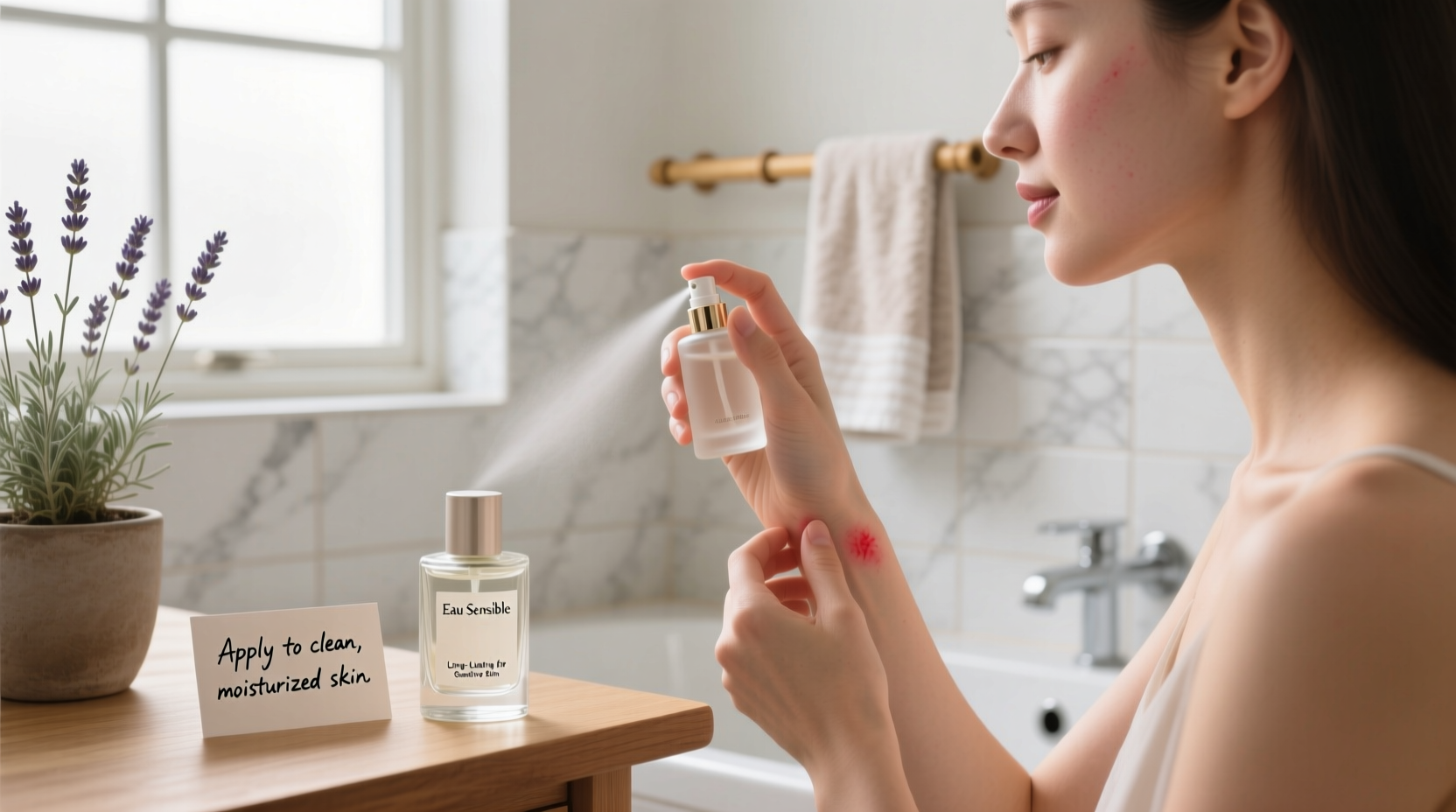
Sensitive skin often has a compromised moisture barrier, leading to increased trans-epidermal water loss (TEWL). When the skin is dry or reactive, it struggles to retain fragrance molecules, which are designed to bind to oils and moisture. Additionally, many sensitive individuals avoid oil-based lotions or heavy creams due to concerns about clogging pores or triggering reactions—this further reduces the skin’s capacity to anchor scent.
Another factor is pH imbalance. Fragrance compounds behave differently depending on the skin’s acidity. Sensitive skin tends to fluctuate in pH due to environmental stressors, harsh cleansers, or over-exfoliation, causing perfumes to degrade or “turn” unexpectedly. What smelled floral at first might develop a sour or metallic note by midday.
“Fragrance longevity isn’t just about the concentration—it’s about the canvas it’s applied to. Healthy, balanced skin holds scent far better than irritated or dehydrated skin.” — Dr. Lena Torres, Dermatologist & Cosmetic Chemist
Choose the Right Fragrance Formulation
Not all perfumes are created equal—especially for sensitive skin. Alcohol-heavy eau de toilettes may feel cooling initially but strip natural oils and cause stinging. Opt instead for formulations that prioritize skin compatibility:
- Eau de Parfum (EDP): Higher oil concentration (12–18%) means longer wear and less reliance on alcohol.
- Oil-Based Perfumes: Free from ethanol, these roll-ons or drops are gentler and adhere better to dry skin.
- Fragrance Mists with Glycerin or Aloe: These hydrating bases help lock in scent while soothing the skin.
- Hypoallergenic or Dermatologically Tested Scents: Look for brands that disclose ingredients and avoid common irritants like limonene, linalool, or synthetic musks unless individually tolerated.
Prep Your Skin as a Scent-Friendly Canvas
The most overlooked step in fragrance longevity is pre-application skincare. Think of your skin as fabric—if it’s rough or frayed, dye won’t adhere well. Similarly, a well-prepared skin surface holds scent longer and distributes it more evenly.
Follow this pre-perfume routine:
- Cleanse gently with a non-stripping, fragrance-free cleanser. Avoid hot water, which can increase sensitivity.
- Apply a light hydrator such as a glycerin-based serum or a minimal-ingredient moisturizer. Hydrated skin binds fragrance better than dry skin.
- Wait 2–3 minutes before applying perfume to allow products to absorb and create a stable base.
Avoid petroleum-based occlusives like pure Vaseline unless you're using them under a fragrance layer—they can block scent diffusion. Instead, use shea butter or squalane, which are breathable yet moisturizing.
Strategic Application Techniques for Maximum Longevity
Where and how you apply perfume dramatically affects both its lifespan and potential for irritation. On sensitive skin, less is often more—but placement matters.
| Application Zone | Why It Works | Caution for Sensitive Skin |
|---|---|---|
| Pulse points (wrists, neck, behind ears) | Body heat helps diffuse scent gradually | Avoid if prone to contact dermatitis; try lower pulse points like ankles |
| Inside elbows or knees | Warm areas with good blood flow, less direct friction | Less likely to react than wrists; ideal for reactive skin |
| Clothing (natural fibers) | Prevents direct skin contact; lasts longer | Avoid silk or delicate fabrics; test for staining first |
| Hair (lightly on ends) | Smooth cuticle holds scent; movement releases fragrance | Never spray near scalp if prone to irritation |
When applying, never rub your wrists together. This breaks down top notes and accelerates evaporation. Instead, let the mist settle naturally.
Layer with Unscented Skincare for a Scent Anchor
Layering doesn’t require matching branded products. Instead, build a neutral, hydrating base that acts as a “scent reservoir.” This method is especially effective for those who can't tolerate strongly scented body lotions.
“I recommend my patients use an unscented hyaluronic acid gel followed by a ceramide cream before applying any fragrance. It creates a protective film that traps scent molecules.” — Dr. Anika Patel, Allergy & Skin Specialist
Try this simple layering sequence:
- After showering, pat skin dry (leave slightly damp).
- Apply a fragrance-free hydrating toner or mist.
- Layer a humectant serum (e.g., hyaluronic acid).
- Seal with a lightweight, non-comedogenic moisturizer.
- Once fully absorbed, apply perfume directly to hydrated skin.
Mini Case Study: Sarah’s Sensitive Skin Solution
Sarah, 34, has rosacea-prone skin and loves floral fragrances but found they vanished within two hours—or worse, caused flushing. She switched from spraying her wrists to applying an oil-based jasmine perfume to her collarbones and ankles after using a glycerin-rich balm. She also began storing her perfume in a drawer away from sunlight. Result? Her scent now lasts 6–7 hours without reapplication, and she no longer experiences irritation. “I realized I was fighting my skin instead of working with it,” she says.
Avoid Common Mistakes That Shorten Fragrance Life
Even with the best intentions, certain habits sabotage longevity and exacerbate sensitivity. Be mindful of these pitfalls:
- Over-spraying: More alcohol = more irritation and faster breakdown of scent.
- Storing perfume in the bathroom: Humidity and temperature fluctuations degrade fragrance compounds.
- Using scented body washes before perfume: Competing notes distort your chosen fragrance.
- Applying to freshly shaved or exfoliated skin: Increases absorption of alcohol and irritants.
Do’s and Don’ts for Sensitive Skin Perfume Wearers
| Do | Don’t |
|---|---|
| Use oil-based or EDP fragrances | Use high-alcohol eau de colognes |
| Apply to hydrated, cool skin | Apply to hot, dry, or irritated skin |
| Store perfume in a dark, cool place | Leave it in direct sunlight or humid bathrooms |
| Test new scents on a small area first | Assume “natural” means non-irritating |
| Layer with unscented moisturizers | Mix multiple fragranced products |
FAQ
Can I use Vaseline as a fragrance primer?
You can, but with caution. Petroleum jelly creates a physical barrier that may prevent even distribution of scent and trap heat, potentially worsening sensitivity. A better alternative is a fragrance-free balm with shea butter or jojoba oil, which nourishes without suffocating the skin.
Why does my perfume smell different on me than on others?
Your skin’s chemistry—including pH, sebum production, diet, and medications—affects how fragrance notes evolve. Sensitive skin often lacks lipids needed to stabilize base notes, causing top notes to dominate briefly before fading. Consistent moisturization helps balance this reaction.
Are natural perfumes better for sensitive skin?
Not necessarily. While plant-derived oils may seem gentler, many essential oils (like citrus, cinnamon, or clove) are common allergens. Always check ingredient lists and perform patch tests, regardless of “natural” labeling.
Checklist: How to Make Your Perfume Last Longer on Sensitive Skin
- ✅ Choose EDP or oil-based perfumes with low alcohol content
- ✅ Patch test new fragrances before full use
- ✅ Moisturize with a fragrance-free lotion or serum before applying perfume
- ✅ Apply to warm pulse points or clothing (not rubbed)
- ✅ Avoid spraying on irritated, freshly shaved, or sun-exposed skin
- ✅ Store perfume in a cool, dark place away from humidity
- ✅ Skip scented body products on days you wear perfume
- ✅ Reassess your routine if irritation occurs—even “gentle” products can accumulate
Conclusion
Long-lasting fragrance on sensitive skin isn’t about quantity—it’s about quality and compatibility. By selecting the right formulations, preparing your skin mindfully, and applying with precision, you can enjoy your favorite scents all day without discomfort or reapplication. The goal isn’t to mask your skin’s nature, but to enhance it. When you treat your skin as a partner in the fragrance experience, both comfort and longevity improve.




 浙公网安备
33010002000092号
浙公网安备
33010002000092号 浙B2-20120091-4
Comments
No comments yet. Why don't you start the discussion?