
Fragrance is more than a scent—it’s an extension of identity, mood, and memory. Yet one of the most common frustrations among perfume lovers is how quickly their favorite scent fades. While some blame the eau de toilette concentration or environmental factors, the real solution often lies in technique. Layering isn’t just for skincare or fashion; when applied to fragrance, it transforms fleeting top notes into a lasting olfactory experience. By strategically building your scent from the skin up, you can extend wear time, deepen complexity, and maintain sillage throughout the day.
The Science Behind Scent Longevity
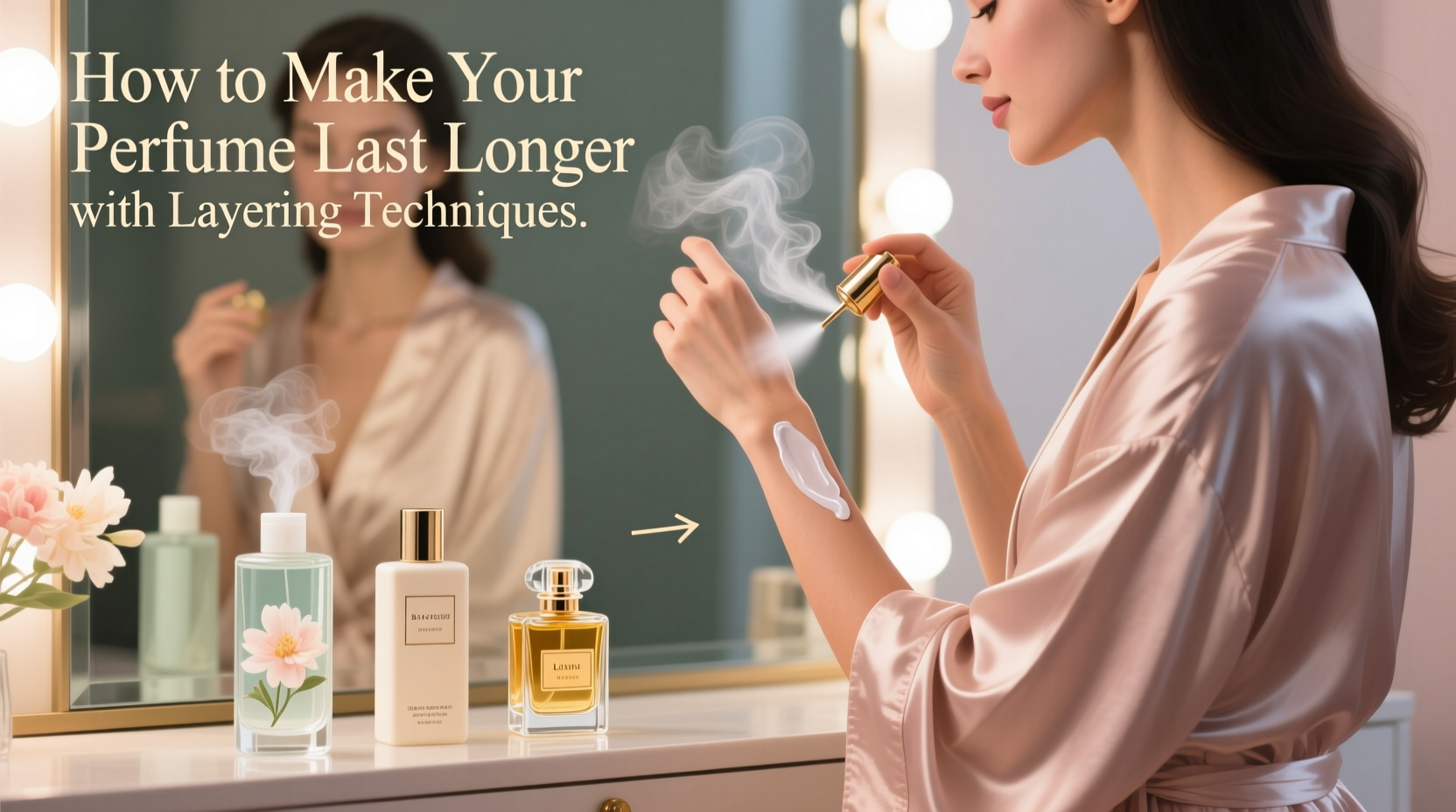
Perfume longevity depends on multiple factors: skin chemistry, hydration, pH levels, and application method. Alcohol-based fragrances evaporate over time, beginning with volatile top notes (citrus, herbs), followed by heart notes (florals, spices), and finally base notes (woods, musks, resins). The base notes are longest-lasting but take time to emerge. On dry or acidic skin, even high-quality perfumes may vanish within hours.
Layering works by creating a “scent reservoir” on the skin. Instead of relying solely on alcohol-based sprays, you anchor fragrance at different molecular levels—starting with scented moisturizers, oils, or unperfumed hydrators that trap aromatic molecules and slow evaporation.
“Fragrance layering is not about overpowering, but about building a scent architecture that evolves naturally and lasts.” — Isabelle Michaud, Perfume Olfaction Specialist, Grasse Institute of Perfumery
Step-by-Step Guide to Fragrance Layering
Effective layering follows a deliberate sequence. The goal is to create synergy between products while respecting the integrity of the original perfume. Follow this timeline for optimal results:
- Shower with a matching or complementary scented body wash. This primes the skin with subtle fragrance molecules and opens pores slightly, enhancing absorption.
- Apply an unscented or lightly fragranced body oil or butter. Oils act as a sealant. They lock in moisture and provide a lipid-rich surface that binds better with perfume oils than water-based lotions.
- Use a matching scented body lotion or cream. If available, use a product from the same fragrance family as your perfume. This builds a consistent scent profile.
- Pulse point application of perfume. Spray or dab directly onto warm areas: wrists, neck, behind ears, inner elbows. Avoid rubbing—this breaks down top notes.
- Optional: Reapply with a solid perfume or scented balm midday. These are less volatile and ideal for touch-ups without overwhelming.
Choosing the Right Products for Layering
Not all layering products deliver equal results. The key is compatibility and formulation. Here’s what to look for:
- Body Oils: Preferably non-greasy, fast-absorbing formulas with jojoba, sweet almond, or grapeseed oil. These enhance adhesion without interfering with the perfume’s character.
- Body Lotions: Thicker than creams, they contain higher concentrations of emollients. Opt for those labeled “intense hydration” or “long-lasting scent.”
- Matching Fragrance Line Products: Brands like Jo Malone, Diptyque, Tom Ford, and Maison Margiela offer full ranges (shower gel, lotion, perfume) designed to layer cohesively.
- Solid Perfumes: Beeswax or shea-based balms infused with concentrated fragrance. Ideal for travel and reapplication.
Avoid heavily scented lotions that clash with your chosen perfume. For example, layering a vanilla body cream under a citrus cologne may distort the intended aroma. When in doubt, use unscented moisturizers and rely on the perfume itself for scent expression.
Do’s and Don’ts of Fragrance Layering
| Do’s | Don’ts |
|---|---|
| Use products with similar scent profiles | Mix clashing fragrance families (e.g., gourmand + aquatic) |
| Moisturize before applying perfume | Apply perfume to dry, flaky skin |
| Choose oil-based bases for better hold | Use alcohol-heavy lotions before spraying |
| Reapply with solid perfumes or roll-ons | Over-spray in an attempt to boost longevity |
| Store layered products in cool, dark places | Leave perfumes in humid bathrooms or direct sunlight |
Real Example: A Day in the Life of a Layered Scent
Sophia, a marketing executive based in Toronto, struggled with her favorite floral-woody eau de parfum fading by noon. She worked in air-conditioned offices, commuted via subway, and often received compliments early in the day—but rarely later. After consulting a fragrance stylist, she adopted a layering routine:
- Morning shower with a violet and sandalwood body wash from the same brand as her perfume.
- Applied a rich, unscented shea butter to arms and décolletage.
- Followed with a matching scented body milk.
- Pressed two sprays of perfume onto pulse points without rubbing.
- Carried a solid perfume version of the same scent for a mid-afternoon refresh.
The result? Her fragrance lasted well past 8 PM. Colleagues noticed her scent during evening networking events, and she no longer felt the need to carry a full bottle. More importantly, the scent evolved naturally—bright and fresh in the morning, deep and warm by night—without becoming cloying.
Advanced Techniques for Maximum Longevity
For those seeking next-level performance, consider these refined strategies:
1. Skin Priming with Unscented Oil
Before any scented product, apply a thin layer of pure jojoba or fractionated coconut oil. These mimic skin’s natural sebum and create a neutral yet effective barrier for fragrance retention.
2. Strategic Pulse Point Stacking
In addition to wrists and neck, try behind the knees, lower back, and scalp (on hair, not skin). These areas retain heat and move with the body, releasing scent gradually. Avoid over-application—two sprays per zone are sufficient.
3. Clothing as a Scent Anchor
Spritz the inside of jackets, scarves, or collars with your perfume. Fabric holds scent longer than skin. However, avoid spraying delicate silks or light-colored materials that may stain.
4. Temperature and Timing Awareness
Cooler temperatures preserve scent. Apply heavier layers in winter; lighter ones in summer. Also, apply perfume after dressing to prevent damage to fabrics and ensure even distribution.
Fragrance Layering Checklist
Use this checklist daily to ensure optimal performance:
- ☑ Shower using a complementary scented wash
- ☑ Pat skin dry—do not rub
- ☑ Apply body oil or unscented moisturizer
- ☑ Follow with scented lotion if part of the same line
- ☑ Spray perfume on warm pulse points
- ☑ Avoid rubbing wrists together
- ☑ Carry a solid perfume or rollerball for touch-ups
- ☑ Reapply only when needed—usually once midday
Frequently Asked Questions
Can I layer different perfume brands together?
Yes, but with caution. Only combine scents that share similar accords—such as two woody ambers or fresh citruses. Test combinations on a tissue first. Clashing notes (like heavy patchouli under a green tea scent) can create an unpleasant odor.
Does skin type affect layering success?
Absolutely. Dry skin lacks the natural oils needed to hold fragrance, making layering essential. Oily skin retains scent longer but may distort lighter notes. Combination skin benefits most from balanced hydration before application.
Is it safe to layer multiple strong perfumes?
It can be overwhelming. Layering is not about volume but harmony. Using one dominant fragrance with supporting products (oil, lotion) creates elegance. Doubling up on intense perfumes risks olfactory fatigue for both wearer and others.
Final Thoughts: Elevate Your Scent Experience
Long-lasting fragrance isn’t a matter of luck or expensive bottles—it’s a practice rooted in understanding skin, chemistry, and application science. Layering transforms perfume from a fleeting impression into a personal signature that endures. Whether you're preparing for a long workday, a special event, or simply want your scent to accompany you from morning coffee to evening wind-down, the ritual of layering adds intentionality and sophistication.
Start simple: pair your current perfume with a matching body lotion and an oil-based moisturizer. Observe how the scent develops over time. Adjust based on season, occasion, and skin response. Over time, you’ll develop a personalized system that makes every spritz count.




 浙公网安备
33010002000092号
浙公网安备
33010002000092号 浙B2-20120091-4
Comments
No comments yet. Why don't you start the discussion?