
Fragrance is more than just a scent—it's an extension of identity, mood, and presence. Yet, many people experience the frustration of applying their favorite perfume in the morning only to find it has faded by midday. The solution isn’t necessarily buying a stronger or more expensive scent; it lies in understanding how fragrance interacts with your body and environment. Two of the most effective, scientifically backed methods to extend your perfume’s longevity are harnessing body heat and strategic layering. When applied correctly, these techniques can transform even light eau de toilettes into long-lasting olfactory experiences.
The Science Behind Scent Longevity
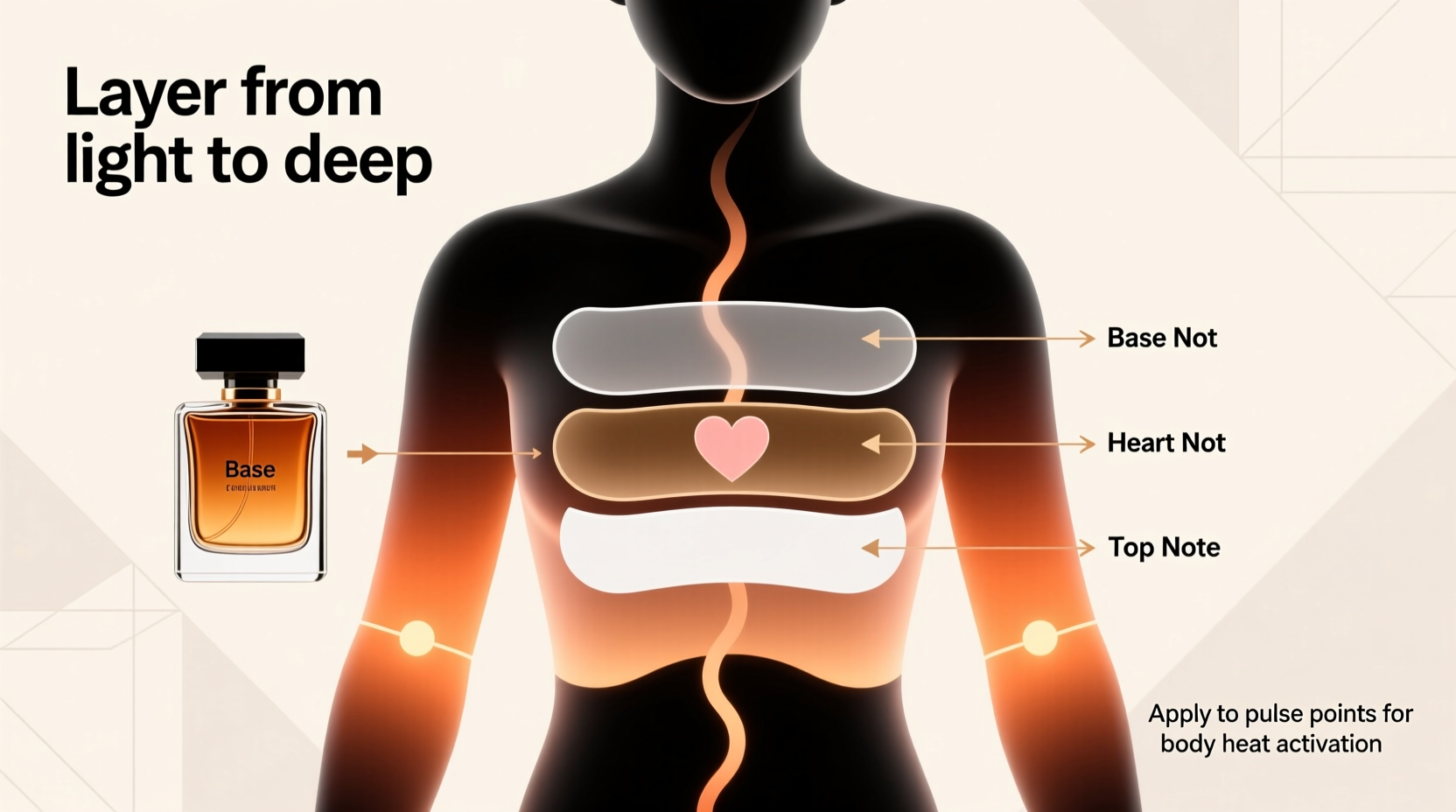
Perfume longevity depends on three primary factors: concentration, skin chemistry, and application method. While concentration (e.g., eau de parfum vs. eau de toilette) plays a role, individual skin type—whether dry, oily, or combination—can drastically affect how long a fragrance lingers. Oily skin retains scent longer due to natural moisture, while dry skin may cause fragrances to evaporate quickly.
Body heat acts as a natural diffuser. Warm areas of the skin, such as pulse points, increase the volatility of aromatic molecules, causing them to rise and disperse gradually throughout the day. This process, known as \"sillage,\" refers to the trail of scent left behind as you move. By targeting warm zones and creating a scent base on the skin, you enhance both projection and staying power.
Layering, meanwhile, involves building complementary products—such as scented lotions, oils, or matching bath gels—that contain similar fragrance notes. This creates a \"scent reservoir\" on the skin, allowing top notes to shine initially while deeper base notes emerge and persist over time.
Maximizing Body Heat for Lasting Fragrance
Your body naturally emits heat from specific areas where blood vessels run close to the surface. These pulse points are ideal for perfume application because they gently warm the fragrance, releasing it slowly rather than all at once.
Key Pulse Points for Optimal Scent Release
- Wrists: One of the most common spots, but avoid rubbing after spraying, which breaks down molecules.
- Neck (sides): Close to the carotid artery, this area radiates consistent warmth.
- Behind the ears: A subtle yet effective spot, especially when hair moves and releases scent.
- Inner elbows: Often overlooked, but excellent for long-term diffusion.
- Behind the knees: Ideal for evening wear; movement activates the scent.
- Chest or décolletage: Body heat from breathing and heart activity amplifies fragrance here.
Avoid spraying on clothing, especially delicate fabrics like silk or wool, which can stain or alter the scent profile. Instead, focus on skin application where body heat can interact directly with the fragrance oils.
Environmental temperature also influences scent behavior. In colder weather, fragrance molecules move slower, resulting in less projection. Warming your skin before application—by wearing a sweater or briefly warming your wrists under lukewarm water—can kickstart diffusion.
The Art of Fragrance Layering: Building a Scent Foundation
Layering isn't just about applying multiple products—it's about creating synergy between them. The goal is to build depth and endurance by reinforcing the same olfactory theme across different textures and concentrations.
Step-by-Step Layering Process
- Start with a matching bath product: Use a shower gel or soap infused with the same fragrance family as your perfume. This primes the skin with base notes.
- Moisturize with a scented lotion or unscented balm: Hydrated skin holds scent better. If a matching lotion isn’t available, use an unscented cream to avoid clashing aromas.
- Apply a fragrance oil or solid perfume: These are more concentrated and adhere closely to the skin, acting as anchors for volatile top notes.
- Spray your eau de parfum or eau de toilette: Apply to pulse points over the layered base for maximum retention.
- Reinforce selectively during the day: Carry a travel-sized atomizer for touch-ups on wrists or neck if needed.
When layering, consistency in scent profile is crucial. Combining a floral perfume with a citrus body wash may create an unintended clash. Stick to products within the same fragrance line whenever possible—they’re designed to complement each other.
“Fragrance layering is like building a symphony. Each product adds a movement, so the scent evolves beautifully over time.” — Clara Montague, Master Perfumer at Osmologie Labs
Do’s and Don’ts of Perfume Longevity
| Do’s | Don’ts |
|---|---|
| Apply to clean, moisturized skin | Rub wrists together after spraying |
| Use matching scented lotions or oils | Store perfume in direct sunlight or humid bathrooms |
| Target warm pulse points | Spray on dry, flaky skin |
| Reapply lightly when needed | Over-spray—less is often more for longevity |
| Keep your skin hydrated daily | Layer conflicting fragrance families (e.g., vanilla + peppermint) |
One common mistake is assuming that more spray equals longer wear. In reality, oversaturating the skin overwhelms the nose and accelerates evaporation due to alcohol buildup. Two to three well-placed sprays are usually sufficient.
Real-World Example: From Fading to All-Day Scent
Sophia, a marketing executive based in Chicago, loved her signature jasmine-vanilla perfume but found it disappeared within two hours, especially during winter commutes. She tried switching to higher concentrations without success. After consulting a fragrance specialist, she adjusted her routine:
- Switched to a matching body wash used every morning.
- Began applying an unscented shea butter cream post-shower.
- Applied a vanilla-infused fragrance oil to her inner elbows and chest.
- Used one spray of her perfume on each wrist and behind her ears.
- Avoided rubbing her wrists and kept her perfume stored in a bedroom drawer away from heat.
The result? Her scent lasted until dinner, with colleagues complimenting her “soft, lingering aroma.” More importantly, the fragrance evolved naturally—floral top notes in the morning gave way to warm, creamy base notes by evening.
Advanced Techniques for Extended Wear
Beyond basic layering and heat utilization, several advanced practices can further boost longevity:
1. Skin Priming with Oil-Based Products
Fragrance clings better to oils than water. Applying a few drops of jojoba, almond, or coconut oil to pulse points before spraying creates a sticky base that slows evaporation. Choose odorless oils to avoid interference.
2. Strategic Reapplication
Instead of reapplying directly over faded scent, refresh secondary zones like the back of the neck or ankles. This avoids overwhelming intensity while maintaining presence.
3. Clothing Integration (Safely)
If you must apply to fabric, use a dedicated linen spray version of your fragrance. Spraying perfume directly onto clothes risks staining and fiber degradation. Scarves, collars, or coat linings can carry scent effectively without skin contact.
4. Rotate Perfumes Based on Season
Heavier, resinous scents (like amber or patchouli) last longer in cold weather, while citrus and aquatic notes fade faster. In summer, opt for concentrated extrait de parfums or roll-ons with essential oils for durability.
Frequently Asked Questions
Why does my perfume disappear so quickly?
This is often due to dry skin, improper storage, or lack of layering. Alcohol-based perfumes evaporate rapidly on dehydrated skin. Incorporating moisturizers and using complementary scented products can significantly improve staying power.
Can I layer different brands of perfume?
You can, but proceed with caution. Mixing unrelated fragrance families may result in an unpleasant or muddy aroma. If experimenting, choose scents with overlapping notes—e.g., two woody or two floral compositions—and test on a small area first.
Does drinking water really help my perfume last longer?
Indirectly, yes. Hydrated skin retains moisture and fragrance better than dry skin. Drinking adequate water supports overall skin health, making it a more hospitable surface for scent adherence.
Checklist: How to Make Your Perfume Last Longer
- ✅ Shower and towel-dry, leaving skin slightly damp
- ✅ Use a matching scented body wash or soap
- ✅ Apply unscented or matching lotion to arms, neck, and chest
- ✅ Dab fragrance oil or balm on pulse points
- ✅ Spray perfume on warm pulse points—wrists, neck, behind ears
- ✅ Avoid rubbing wrists together
- ✅ Store perfume in a cool, dark place
- ✅ Reapply lightly during the day if needed, focusing on new areas
- ✅ Stay hydrated and maintain healthy skin
- ✅ Match fragrance weight to season (heavier in winter, lighter in summer)
Conclusion: Elevate Your Scent Experience
Making your perfume last longer isn’t about luck or spending more—it’s about working with your body’s natural chemistry. By leveraging body heat and mastering the art of layering, you unlock the full potential of your favorite fragrances. These techniques turn fleeting top notes into enduring sensory experiences, allowing your scent to evolve gracefully throughout the day.




 浙公网安备
33010002000092号
浙公网安备
33010002000092号 浙B2-20120091-4
Comments
No comments yet. Why don't you start the discussion?