
Perfume is more than a fragrance—it’s an extension of identity, a subtle signature that lingers in memories. Yet many people apply their favorite scent only to find it fading within hours. While high-quality perfumes often contain long-lasting base notes, the real secret to enduring aroma lies not just in the bottle, but on your skin. The condition, moisture level, and preparation of your skin play a crucial role in how fragrance adheres and evolves over time.
Synthetic fixatives and alcohol-heavy sprays can dry out skin and distort scent profiles. Instead, turning to natural, holistic skin prep methods enhances both longevity and authenticity. By working with your skin’s biology rather than against it, you can transform a fleeting top note into a lasting olfactory experience. This guide reveals science-backed, plant-powered techniques to help your perfume stay vibrant from morning to night—naturally.
Why Perfume Fades: The Science Behind Scent Longevity
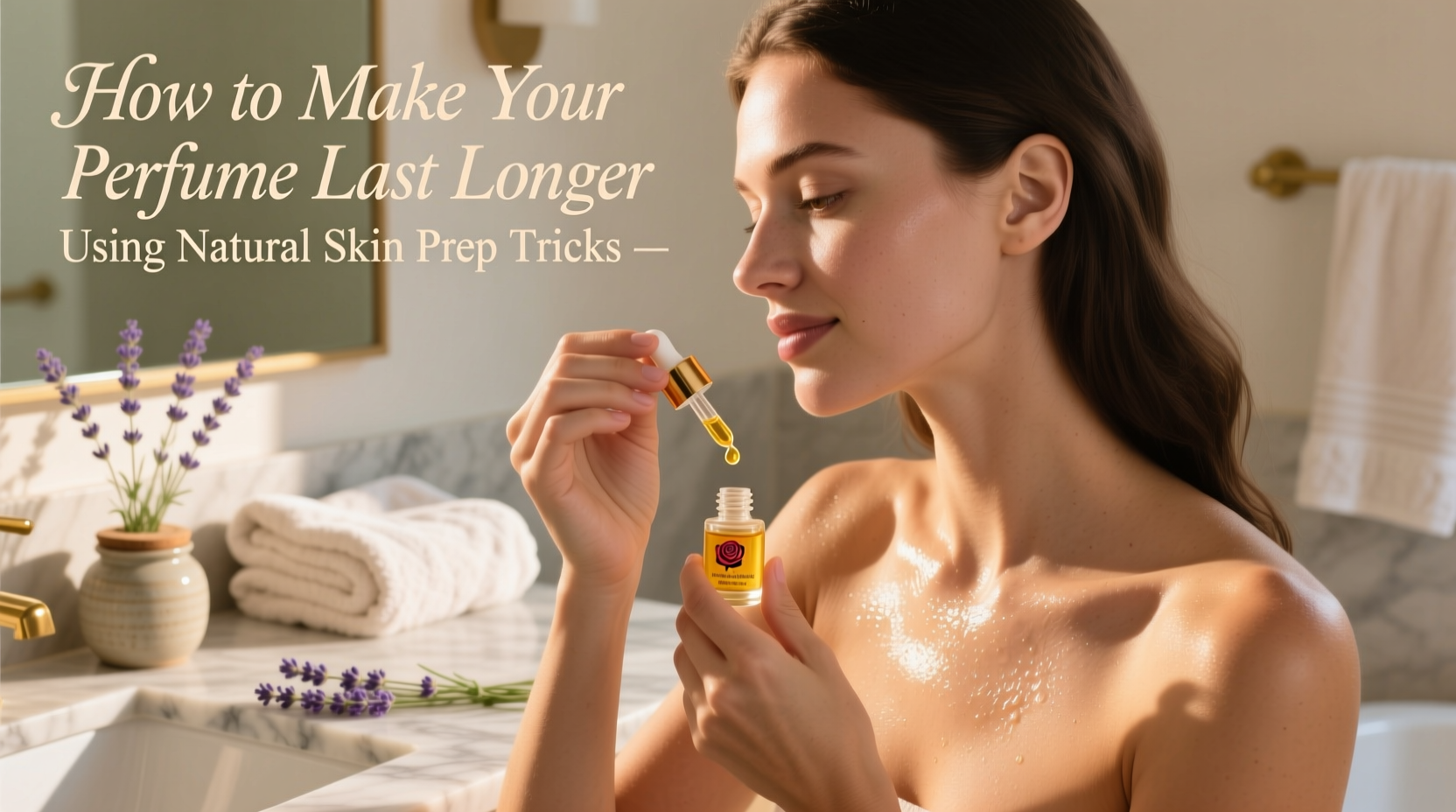
Fragrance doesn’t simply \"wear off\"—it interacts dynamically with your skin chemistry. Perfumes are composed of volatile aromatic compounds layered into top, middle (heart), and base notes. Top notes evaporate first, giving the initial impression; heart notes emerge next; and base notes form the deep, lasting foundation. However, if your skin lacks proper hydration or has an imbalanced pH, even rich base notes like sandalwood or vanilla may vanish prematurely.
Sebum—the oily substance produced by your skin—aids in trapping fragrance molecules. People with oilier skin often notice perfumes last longer naturally. Conversely, dry skin lacks this protective lipid layer, allowing scent to dissipate quickly. Additionally, alkaline skin (often caused by harsh soaps) breaks down fragrance faster than slightly acidic skin, which better preserves aromatic compounds.
“Fragrance longevity begins before the first spray. Hydrated, balanced skin acts like a canvas—ready to hold and evolve scent over time.” — Dr. Lena Moreau, Cosmetic Chemist & Aromachology Researcher
The goal isn’t to mask body odor with overpowering spritzes, but to create synergy between your skin and fragrance. Natural prep methods support this balance, avoiding synthetic overload while enhancing performance.
Natural Skin Prep Techniques for Lasting Fragrance
Commercial perfume boosters often rely on silicones and synthetic polymers. But nature offers gentler, equally effective alternatives. These methods focus on creating a moisturized, slightly acidic environment where fragrance molecules bind and release slowly.
1. Moisturize with Unscented or Complementary-Scented Bases
Dry skin is porous and absorbs fragrance instead of letting it hover above the surface. Applying an unscented moisturizer creates a smooth barrier that traps scent. For enhanced effect, use a body lotion with ingredients that complement your perfume’s profile:
- Vanilla-based lotions pair well with warm, gourmand fragrances.
- Almond or jojoba oil creams work with floral and woody scents.
- Oatmeal or shea butter formulas suit fresh, clean, or aquatic perfumes.
2. Use Natural Oils as Scent Anchors
Certain carrier oils have molecular structures that bind well with fragrance compounds. Applying a few drops of oil to pulse points before spraying adds staying power and softens the alcohol burn common in eau de parfum.
Best oils for fragrance anchoring:
- Jojoba oil – Mimics skin sebum, non-greasy, neutral scent.
- Sweet almond oil – Lightweight, slightly nutty, blends well with florals.
- Coconut oil (fractionated) – Odorless, stable, excellent for tropical or citrus perfumes.
Apply 1–2 drops to wrists, neck, and behind ears. Let absorb for 30 seconds before spraying.
3. Restore Skin’s Natural pH with Apple Cider Vinegar Toner
Most tap water and commercial soaps raise skin pH, making it more alkaline and less conducive to scent retention. A quick toner made from diluted apple cider vinegar (ACV) rebalances the skin’s surface.
“Apple cider vinegar helps restore the acid mantle, which not only protects skin but also stabilizes fragrance molecules.” — Dr. Arjun Patel, Dermatologist & Skincare Formulator
Mix one part raw, unfiltered ACV with three parts distilled water. After cleansing, apply with a cotton pad to pulse points. Let dry completely before applying fragrance. Avoid if you have broken skin or sensitivity.
Step-by-Step: Your Morning Fragrance Routine
Follow this five-step ritual to maximize perfume longevity using only natural skin prep methods:
- Shower with lukewarm water – Hot water strips natural oils. Use a gentle, pH-balanced cleanser.
- Pat skin dry, leave slightly damp – Retaining moisture improves product absorption.
- Apply hydrating base – Smooth unscented lotion or complementary-scented balm onto pulse areas.
- Optional: Add carrier oil – Dab a drop of jojoba or almond oil on wrists and neck.
- Lightly mist ACV toner (if needed) – Especially after using alkaline soap or hard water.
- Spray perfume from 6 inches away – Target moisturized areas. Avoid rubbing wrists together, which crushes top notes.
This routine takes under five minutes but dramatically increases wear time. Many users report their fragrance lasting 6–8 hours instead of 2–3.
Do’s and Don’ts of Natural Perfume Prep
| Do | Don’t |
|---|---|
| Moisturize before applying perfume | Apply perfume to dry, flaky skin |
| Use unscented or synergistic lotions | Layer conflicting scents (e.g., lavender lotion with citrus perfume) |
| Store perfume in a cool, dark place | Keep bottles in humid bathrooms or sunlit windowsills |
| Apply to pulse points with good blood flow | Rub wrists together after spraying |
| Refresh scent with a matching scented oil, not more spray | Over-apply, leading to olfactory fatigue |
Real Example: How Sarah Doubled Her Perfume’s Lifespan
Sarah, a 34-year-old teacher from Portland, loved her niche amber-vanilla perfume but was frustrated it disappeared by midday. She applied two sprays each morning but noticed colleagues rarely commented on her scent after lunch.
After learning about skin prep, she began applying a shea butter lotion right after her morning shower. She switched to a coconut oil-based cleanser and started using a diluted ACV toner on her wrists and neck. Within a week, coworkers began asking, “That scent—you’re wearing it all day, aren’t you?”
She now gets consistent compliments eight hours after application, and her bottle lasts nearly twice as long since she no longer feels the need to reapply. “It’s not magic,” she says. “It’s just treating my skin like part of the fragrance system.”
Enhance Performance with Lifestyle Adjustments
Your daily habits influence how fragrance behaves on your skin. Consider these supportive practices:
Diet & Hydration
Well-hydrated skin holds scent better. Drinking sufficient water daily improves skin plumpness and oil balance. Certain foods also subtly influence body chemistry:
- Spices (cinnamon, cardamom) can intensify warm, spicy fragrances.
- Fruits and leafy greens promote a fresher natural odor, supporting light, citrusy scents.
- Excess caffeine or processed sugar may increase sweat acidity, altering scent perception.
Clothing Choices
Natural fibers like cotton, silk, and wool absorb and gently release fragrance over time. Spraying lightly on clothing (especially scarves or collars) can extend presence. Avoid synthetic fabrics like polyester, which can trap odors and distort scent.
Frequently Asked Questions
Can I use body oil instead of perfume?
You can, but body oils alone lack the complexity and volatility of fine fragrance. However, they make excellent bases. Layering a scented body oil underneath perfume adds depth and longevity. For best results, match the oil’s warmth (e.g., use a musk oil under a woody perfume).
Does skin type affect which perfumes last longer?
Absolutely. Dry skin benefits most from heavy base notes like patchouli, vanilla, or oud, which adhere better to moisturized surfaces. Oily skin naturally amplifies lighter notes like citrus and green tea. Combination skin performs well with balanced chypre or floral-woody blends. Knowing your skin type helps you choose both the right fragrance and prep method.
Is it safe to mix essential oils with my perfume?
In small amounts, yes—but proceed with caution. Essential oils are potent and can alter the intended balance of your fragrance. If experimenting, apply one drop of essential oil to skin first, then layer perfume. Patch testing is essential to avoid irritation or unwanted chemical reactions.
Checklist: Natural Perfume Longevity Routine
Print or save this checklist to ensure you never skip a step:
- ✅ Shower using lukewarm water and pH-balanced cleanser
- ✅ Pat skin dry, leaving it slightly damp
- ✅ Apply unscented or complementary moisturizer to pulse points
- ✅ Optional: Dab 1–2 drops of jojoba or almond oil on wrists and neck
- ✅ Lightly apply diluted apple cider vinegar toner (if needed)
- ✅ Spray perfume from 6 inches away, targeting hydrated skin
- ✅ Avoid rubbing wrists together
- ✅ Carry a travel-sized scented oil for subtle touch-ups (not full reapplication)
- ✅ Store perfume in a cool, dark cabinet away from humidity
Conclusion: Make Your Scent a Seamless Extension of You
Lasting fragrance isn’t about dousing yourself in alcohol-heavy sprays or relying on synthetic enhancers. It’s about harmony—between your skin, your habits, and your chosen scent. By adopting simple, natural skin prep techniques, you unlock your perfume’s full potential, allowing its true character to unfold gradually throughout the day.
These methods respect your body’s biology while elevating your sensory experience. Whether you wear a bold oriental or a delicate floral, the right preparation ensures your fragrance stays true, subtle, and unforgettable. Start tonight: set out your moisturizer, mix your ACV toner, and prepare your skin like the living canvas it is. Tomorrow, step out with confidence—your scent will follow.




 浙公网安备
33010002000092号
浙公网安备
33010002000092号 浙B2-20120091-4
Comments
No comments yet. Why don't you start the discussion?