
A fresh-smelling room does more than please the senses—it can improve mood, reduce stress, and create a welcoming atmosphere. Yet many commercial air fresheners rely on synthetic fragrances, phthalates, and volatile organic compounds (VOCs) that may compromise indoor air quality. The good news is that you don’t need artificial sprays to enjoy a naturally clean and inviting space. With thoughtful habits and everyday household items, you can maintain a consistently fresh environment while supporting both personal health and environmental well-being.
Why Avoid Artificial Sprays?
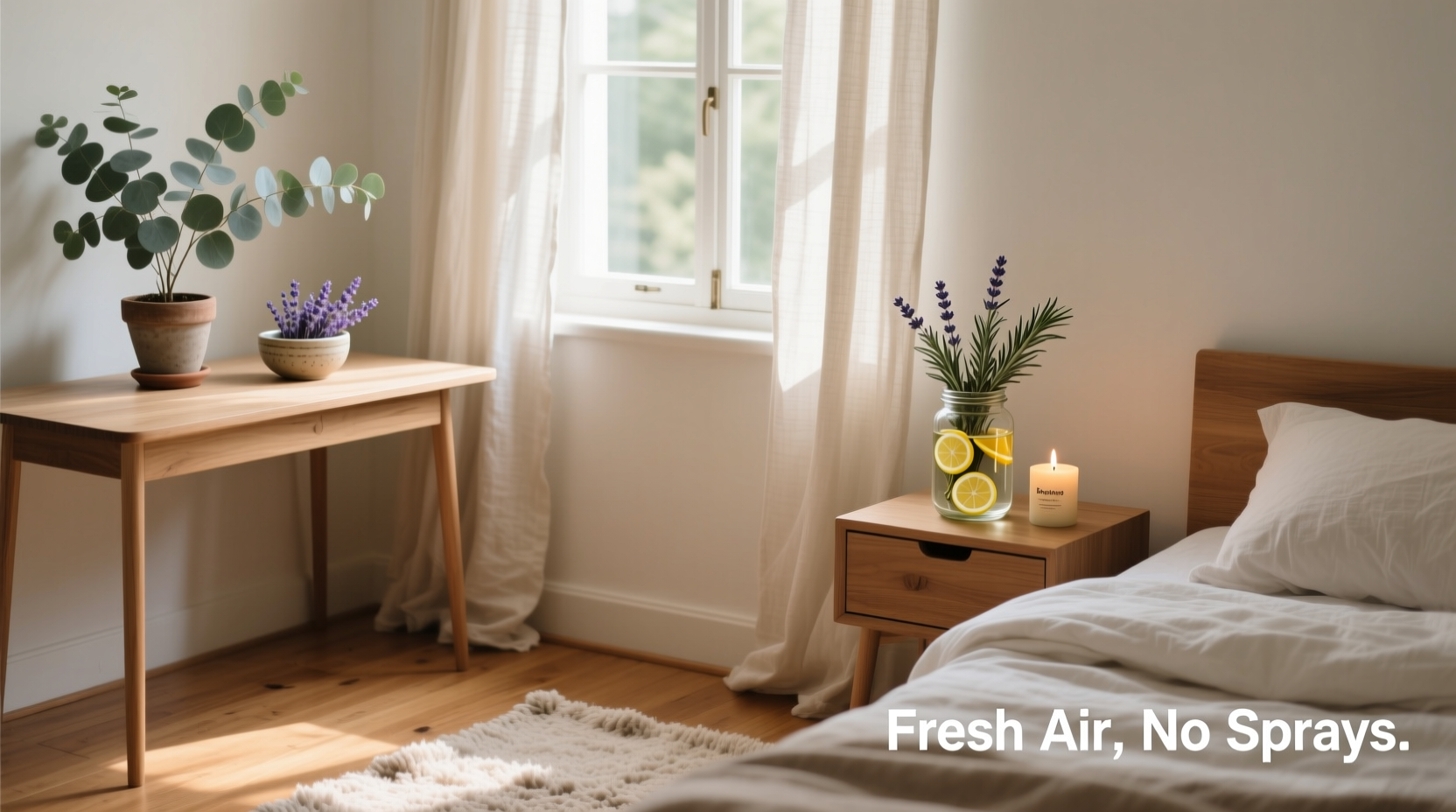
While convenient, most aerosol sprays and plug-in diffusers contain chemicals linked to respiratory irritation, headaches, and long-term health concerns. A 2021 study by the Environmental Working Group found that many popular air fresheners emit formaldehyde, benzene, and other carcinogenic substances—even when labeled “natural” or “unscented.” These products often mask odors rather than eliminate them, creating a false sense of cleanliness.
“Indoor air pollution is frequently worse than outdoor levels, and synthetic fragrances are a major contributor. Switching to non-toxic alternatives is one of the simplest ways to improve air quality at home.” — Dr. Lena Patel, Indoor Air Quality Researcher at Green Living Institute
By choosing natural methods, you not only avoid harmful ingredients but also address the root causes of unpleasant smells—such as moisture buildup, dust accumulation, and lingering organic residues.
Natural Odor Eliminators You Already Own
Some of the most effective odor-neutralizing agents are already in your pantry. Unlike perfumed sprays that merely cover up smells, these ingredients absorb, break down, or neutralize odor molecules at the source.
- Baking soda: A natural deodorizer that absorbs moisture and acidic compounds responsible for musty or sour odors. Place an open box in closets, under beds, or near trash bins.
- White vinegar: Acetic acid in vinegar kills bacteria and mold spores that cause stale smells. Use it diluted in water to wipe surfaces or leave a bowl overnight to absorb ambient odors.
- Citrus peels: Lemon, orange, or grapefruit rinds release bright, clean aromas when dried or simmered. They also contain d-limonene, a compound known for its degreasing and deodorizing properties.
- Coffee grounds: Fresh or used coffee grounds absorb strong odors like smoke or cooking grease. Keep a small bowl in high-traffic areas or near entryways.
- Activated charcoal: Highly porous and excellent at trapping airborne impurities. Available in reusable bags, it works passively for months without needing replacement.
DIY Room-Safe Scent Solutions
Creating your own fragrance systems gives you full control over ingredients and intensity. These methods are cost-effective, customizable, and free from synthetic additives.
Simmer Pots for Immediate Freshness
Fill a small saucepan with water and add aromatic ingredients like cinnamon sticks, cloves, lemon slices, rosemary sprigs, or vanilla extract. Simmer on low heat for 1–2 hours, replenishing water as needed. This method releases essential oils into the air through steam, offering a warm, comforting scent without residue or fumes.
Reed Diffusers with Natural Oils
Mix 1/4 cup of fractionated coconut oil or safflower oil with 30–40 drops of pure essential oils (e.g., lavender, eucalyptus, or bergamot). Pour into a glass bottle and insert 5–7 reeds. Flip weekly to refresh the scent. Unlike store-bought versions, this blend contains no alcohol or propylene glycol.
Fabric Sprays for Textiles
In a spray bottle, combine 1/2 cup distilled water, 1 tablespoon vodka (acts as a preservative), and 15 drops of essential oil. Shake before use and lightly mist curtains, bedding, or upholstery. Vodka evaporates quickly, leaving behind only the natural aroma.
| Scent Profile | Best Essential Oils | Ideal Room Type |
|---|---|---|
| Clean & Crisp | Tea tree, lemon, peppermint | Bathroom, laundry room |
| Calming & Herbal | Lavender, chamomile, clary sage | Bedroom, reading nook |
| Warm & Spicy | Cinnamon, clove, orange | Living room, kitchen |
| Woody & Earthy | Sandalwood, cedarwood, patchouli | Office, basement |
Long-Term Strategies for Continuous Freshness
True freshness isn’t achieved through one-time fixes but through consistent practices that prevent odor buildup. Integrate these habits into your routine for lasting results.
1. Prioritize Ventilation
Fresh air is the simplest and most effective way to reset indoor air quality. Open windows for at least 10–15 minutes daily, especially after cooking, showering, or cleaning. Cross-ventilation—opening two opposite windows—creates airflow that carries out stale air and reduces humidity.
2. Control Humidity Levels
Excess moisture fosters mold, mildew, and musty odors. Maintain indoor humidity between 30% and 50%. Use a dehumidifier in damp basements or bathrooms, and consider houseplants like peace lilies or Boston ferns that naturally regulate moisture.
3. Deep-Clean Soft Surfaces Regularly
Carpets, rugs, and upholstered furniture trap sweat, pet dander, and food particles. Vacuum weekly with a HEPA filter, and sprinkle baking soda before vacuuming for deeper deodorizing. For washable items, launder according to manufacturer instructions using oxygen-based cleaners instead of scented detergents.
4. Rotate and Refresh Storage Areas
Closets, drawers, and under-bed containers accumulate stale air. Line shelves with cedar blocks or sachets filled with dried lavender. Every few weeks, remove items and wipe down interiors with a vinegar-water solution.
5. Adopt a No-Shoes Policy Indoors
Shoes track in dirt, pesticides, and bacteria from outside. Establish a shoe-free zone at your entrance to minimize pollutants entering your living space. Provide slippers or indoor shoes to make the transition easier.
“People underestimate how much odor originates from unseen sources—like floor transitions, baseboards, and behind furniture. A monthly deep clean of overlooked areas makes a dramatic difference.” — Maria Gonzalez, Professional Organizer & Eco-Cleaning Consultant
Step-by-Step Guide: Weekly Freshness Routine
Follow this seven-day plan to maintain a naturally fresh room with minimal effort:
- Day 1 – Declutter & Dust: Remove unnecessary items, wipe surfaces with a microfiber cloth, and vacuum hard-to-reach spots.
- Day 2 – Refresh Textiles: Launder pillowcases, throw blankets, and curtains. Mist with DIY fabric spray afterward.
- Day 3 – Simmer Pot: Simmer citrus peels and cinnamon for 1 hour to infuse the room with warmth.
- Day 4 – Replace Absorbers: Swap out baking soda boxes or activated charcoal bags; place new ones in problem areas.
- Day 5 – Ventilate: Open windows fully for 30 minutes during midday when outdoor air is driest.
- Day 6 – Check for Hidden Odors: Inspect under furniture, behind doors, and inside storage bins for spills or dampness.
- Day 7 – Reset with Nature: Bring in a potted herb garden (e.g., mint, thyme, or rosemary) for continuous fragrance and air purification.
Mini Case Study: Reviving a Musty Guest Room
Sarah, a homeowner in Portland, Oregon, struggled with a persistent musty smell in her guest bedroom—a common issue in the region’s damp climate. Despite using scented candles and sprays, the odor returned within hours. She decided to take a natural approach:
- She opened windows daily for cross-ventilation.
- Placed two bowls of white vinegar in the room overnight to absorb moisture and neutralize mold spores.
- Washed all linens with tea tree oil (a natural antifungal).
- Installed a small dehumidifier set to 45% humidity.
- Added a reed diffuser with eucalyptus and lemon oil for a clean scent.
Within five days, the mustiness disappeared. Two weeks later, guests commented on how “crisp” and “inviting” the room felt. Sarah now uses this method seasonally and reports fewer allergy symptoms among visitors.
Checklist: Your Natural Freshness Toolkit
Keep these essentials on hand for quick, chemical-free odor control:
- ☐ Baking soda (open boxes placed strategically)
- ☐ White vinegar (for cleaning and odor absorption)
- ☐ Pure essential oils (lavender, lemon, tea tree recommended)
- ☐ Glass jars or bowls (for simmer pots and absorbers)
- ☐ Reusable fabric sachets (filled with dried herbs)
- ☐ Activated charcoal bags (for closets and drawers)
- ☐ Spray bottle (for DIY fabric mists)
- ☐ Small pot or crockpot (for simmering scents)
- ☐ Cedar blocks (natural moth and odor deterrent)
- ☐ Microfiber cloths (for dust-free cleaning)
FAQ
Can I use these methods if I have allergies?
Yes—many natural solutions are hypoallergenic. However, some essential oils (like eucalyptus or peppermint) may irritate sensitive individuals. Start with low concentrations and ventilate well. Opt for unscented options like baking soda or charcoal if fragrances are problematic.
How long do DIY solutions last compared to sprays?
While artificial sprays offer instant but short-lived effects (15–30 minutes), natural methods work gradually and sustainably. Simmer pots last several hours, reed diffusers 4–6 weeks, and odor absorbers up to 60 days with proper care.
Are there any natural scents to avoid?
Avoid burning sage or incense frequently if indoor air quality is a concern—smoke particles can accumulate. Also, never use undiluted essential oils directly on skin or fabrics, as they can cause irritation or staining.
Conclusion
Creating a fresh-smelling room without artificial sprays is not only possible—it’s healthier, more sustainable, and surprisingly simple. By combining passive odor absorbers, active ventilation, and natural fragrances, you can cultivate an environment that feels genuinely clean and uplifting. These methods respect both your body and the planet, proving that true freshness doesn’t come from a can.




 浙公网安备
33010002000092号
浙公网安备
33010002000092号 浙B2-20120091-4
Comments
No comments yet. Why don't you start the discussion?