
Living in a small apartment doesn’t mean sacrificing comfort or style. With thoughtful planning and smart design choices, even the most compact space can feel open, airy, and surprisingly spacious. The key lies not in square footage but in how you use every inch. By rethinking furniture placement, maximizing vertical space, and integrating multi-functional solutions, you can transform a cramped studio into a light-filled sanctuary that feels twice its size.
The psychology of space is often more important than actual dimensions. A cluttered room, no matter how large, will always feel confined. Conversely, a well-organized, visually uncluttered apartment—even one under 500 square feet—can exude openness and calm. This guide explores practical, budget-friendly strategies that go beyond basic decluttering to help you unlock the full potential of your home.
1. Reimagine Your Furniture Layout for Flow and Light
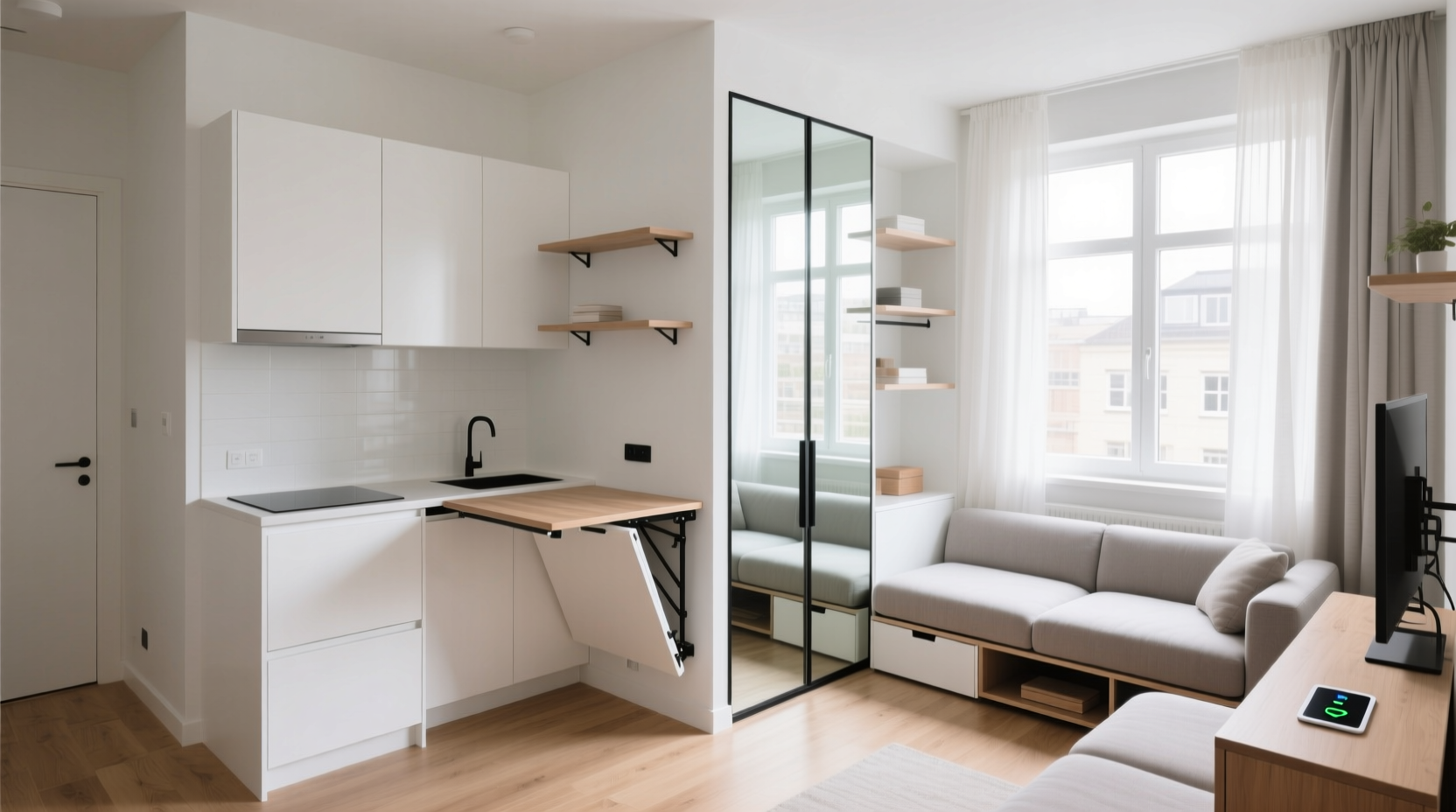
Furniture arrangement plays a pivotal role in how spacious a room feels. Pushing all pieces against the walls might seem logical, but it often creates a boxed-in atmosphere. Instead, consider floating key items like sofas or desks away from walls to define zones while maintaining visual flow.
In a studio apartment, creating distinct areas for sleeping, working, and lounging helps mentally separate functions and reduce visual clutter. Use area rugs to anchor each zone—this subtle cue tells the brain where one space ends and another begins without physical barriers.
Always prioritize natural light. Avoid blocking windows with tall furniture or heavy curtains. If your only window is behind your couch, consider a low-back sofa or place it at an angle to preserve sightlines to daylight. Mirrors strategically placed opposite windows can double the light and create depth.
2. Maximize Vertical Space with Smart Storage Solutions
When floor space is limited, look up. Vertical storage is one of the most effective ways to free up room and reduce clutter. Install floating shelves above doorways, along hallways, or near ceilings to store books, decorative objects, or kitchen supplies. The higher the shelf, the less visual weight it carries—ideal for storing infrequently used items.
Use tall, narrow cabinets instead of wide ones. A slim bookshelf beside the refrigerator or a floor-to-ceiling pantry unit in the kitchen makes excellent use of overlooked gaps. Wall-mounted rails in the kitchen or bathroom hold utensils, towels, or toiletries, keeping countertops clear and surfaces feeling expansive.
“Every inch of vertical space is usable real estate in a small apartment. Don’t let walls go to waste.” — Lena Park, Interior Designer & Small-Space Specialist
Built-in shelving around windows or under staircases (if applicable) turns dead zones into valuable storage. Even in rental units, tension rods inside closets can add extra hanging layers for scarves, belts, or folded clothes.
Do’s and Don’ts of Vertical Storage
| Do | Avoid |
|---|---|
| Install shelves above eye level for seasonal decor or spare linens | Overloading high shelves with heavy items that are hard to reach |
| Use matching bins or baskets for a clean, unified look | Leaving shelves cluttered with mismatched containers or random items |
| Mount hooks on the back of doors for robes, bags, or jewelry | Using bulky furniture that reaches the ceiling and overwhelms the room |
| Choose open shelving to maintain visual lightness | Covering all walls with closed cabinetry, which can feel oppressive |
3. Choose Multi-Functional Furniture That Works Harder
In small apartments, every piece of furniture should earn its keep. Opt for items that serve more than one purpose—ideally three or four. A bed with built-in drawers eliminates the need for a dresser. An ottoman with hidden storage holds blankets or board games. A dining table that folds against the wall frees up floor space when not in use.
Sofa beds have come a long way. Modern versions offer comfortable mattresses and clean lines, making them ideal for guest hosting without sacrificing daily livability. Similarly, nesting tables or extendable coffee tables adapt to your needs—compact during weekdays, expanded for entertaining.
Kitchen islands on wheels are another game-changer. Use them for prep space, additional seating, or as mobile storage units that can be tucked away when not needed. Magnetic knife strips and under-cabinet lighting also enhance functionality without adding bulk.
Real Example: Transforming a 450-Square-Foot Studio
Maria, a graphic designer in Brooklyn, lived in a tight studio where her bed dominated the room. She replaced her standard frame with a platform bed featuring hydraulic lift storage, freeing up her closet for clothes and shoes. She installed a Murphy desk combo—fold-down workspace with shelves above—that disappeared when she wasn’t working. A mirrored closet door reflected light from the single window, doubling the sense of depth. Using only three major upgrades, Maria gained 30% more usable floor space and reported feeling significantly less stressed at home.
4. Use Color, Lighting, and Mirrors to Expand Perception
Color profoundly affects spatial perception. Light, neutral palettes—soft whites, warm grays, pale blues—reflect light and recede visually, making walls appear farther apart. Dark colors absorb light and can make a room feel cozier, but they’re best used sparingly, such as on an accent wall or in artwork.
Paint trim and ceilings the same color as walls to blur boundaries and create continuity. Gloss or semi-gloss finishes reflect more light than matte, enhancing brightness. For renters, removable peel-and-stick wallpaper offers pattern and texture without commitment.
Lighting is equally critical. Relying solely on overhead lights flattens a room. Layer your lighting: combine ambient (ceiling), task (desk or reading lamps), and accent (shelf or floor lights). Floor lamps in corners draw the eye upward, emphasizing height. LED strip lighting under shelves or along baseboards adds a modern glow and highlights architectural features.
Mirrors are the ultimate illusionist. A large mirror opposite a window amplifies natural light and gives the impression of a second window—or even another room. Consider mirrored closet doors, mirrored backsplashes in kitchens, or a gallery wall with varied mirror shapes for decorative impact.
“Mirrors don’t just reflect—they redistribute light and energy throughout a space, tricking the mind into perceiving greater volume.” — Rafael Chen, Architectural Lighting Consultant
5. Declutter Strategically and Maintain Clear Surfaces
No design hack compensates for clutter. Flat surfaces—countertops, tables, shelves—should remain mostly clear. Visual noise competes with openness. Adopt the “one in, one out” rule: for every new item brought in, remove an old one.
Use drawer dividers, stackable bins, and labeled containers to organize essentials invisibly. Store off-season clothing in vacuum-sealed bags under the bed. Rotate decor seasonally to keep things fresh without overcrowding.
Small Apartment Storage Checklist
- Measure all doorways and tight corners before buying new furniture
- Replace bulky nightstands with wall-mounted shelves or floating pockets
- Use over-the-door organizers in bathrooms and closets
- Install curtain rods above windows to hang lightweight fabrics that draw the eye up
- Add legs to furniture (like sofas or dressers) to create visual lift and allow light to pass underneath
- Invest in furniture with slim profiles and light-colored upholstery
- Keep cords organized with clips or sleeves to avoid visual tangles
- Regularly edit personal belongings—donate what you haven’t used in 90 days
Step-by-Step Guide: One Weekend Refresh Plan
You don’t need weeks to see results. Follow this timeline to make your apartment feel instantly larger:
- Friday Evening (1 hour): Remove everything from one flat surface (e.g., kitchen counter). Wipe down, then return only daily-use items. Store the rest.
- Saturday Morning (2 hours): Rearrange your main living area. Float the sofa, add a rug, and position a mirror to catch light.
- Saturday Afternoon (1.5 hours): Install two sets of floating shelves—one in the bathroom, one in the living room. Organize with matching bins.
- Sunday Morning (1 hour): Clean windows and mirrors. Replace heavy curtains with sheer ones or remove them entirely.
- Sunday Afternoon (30 mins): Walk through each room and remove three unnecessary items. Donate or recycle them immediately.
By Monday, your space will feel noticeably more open and intentional.
Frequently Asked Questions
Can I use bold colors in a small apartment?
Yes, but use them strategically. Bold hues work well on a single accent wall, in artwork, or through textiles like throw pillows and rugs. Balance them with plenty of neutral backgrounds to prevent the space from feeling overwhelming.
What if I can’t install shelves or make permanent changes?
Renters have many non-invasive options: adhesive hooks, tension rod shelving, rolling carts, and freestanding bookcases. Use furniture with built-in storage instead of wall units. Over-the-door organizers and magnetic strips require no drilling.
How do I make a windowless room feel bigger?
Focus on artificial lighting and reflective surfaces. Use multiple light sources (floor, table, wall lamps) with warm-white bulbs (2700K–3000K). Add a large mirror or mirrored furniture to bounce light around. Paint walls in light, cool tones like soft gray or pale blue to simulate airiness.
Final Thoughts: Design Is a Daily Practice
Creating the illusion of space isn’t about grand renovations—it’s about consistent, intelligent choices. The most spacious-feeling apartments aren’t always the largest; they’re the ones where every object has a purpose and every surface breathes. By combining strategic layout, vertical thinking, and mindful editing, you turn limitations into opportunities for creativity.
Start small. Pick one corner, one shelf, one habit to change. Notice how even minor adjustments affect your mood and movement through the space. Over time, these tweaks compound into a home that doesn’t just feel bigger—it feels better.




 浙公网安备
33010002000092号
浙公网安备
33010002000092号 浙B2-20120091-4
Comments
No comments yet. Why don't you start the discussion?