
In the heart of a bustling city or atop a quiet suburban apartment building, a small balcony can become more than just an afterthought—it can evolve into a personal sanctuary. With thoughtful planning and creative execution, even the most compact outdoor space can bloom into a verdant retreat that soothes the mind and elevates everyday life. The key isn’t square footage; it’s intentionality. By blending practical design strategies with sensory-rich elements, you can transform your balcony into a garden oasis that feels expansive, alive, and deeply restorative.
Choose the Right Plants for Limited Space
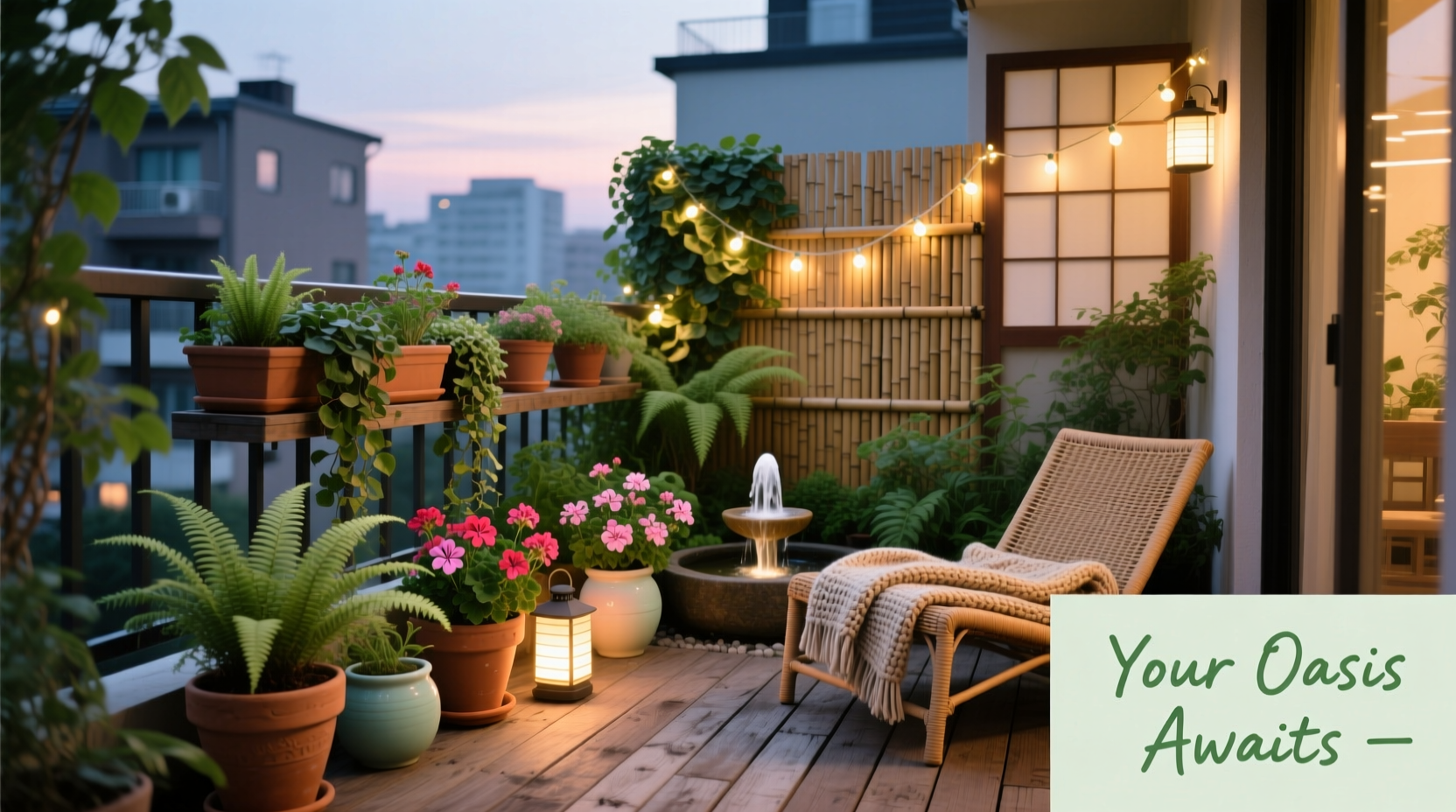
The foundation of any garden oasis is its greenery. On a small balcony, every plant must earn its place—not just for beauty, but for resilience, scale, and function. Opt for species that thrive in containers and tolerate variable light and wind conditions typical of elevated spaces.
Dwarf shrubs like boxwood or dwarf olive trees offer structure without overwhelming the space. Climbing plants such as jasmine, sweet peas, or ivy can be trained vertically, maximizing green coverage while preserving floor area. Herbs—basil, thyme, rosemary, and mint—are not only fragrant and useful but also compact and easy to maintain in pots.
For low-light balconies, consider shade-tolerant options like ferns, peace lilies, or snake plants. These thrive with minimal direct sun and contribute lush textures. Succulents and sedums work well in sunny spots, requiring little water and offering sculptural appeal.
Create Layers with Vertical and Tiered Gardening
Vertical gardening is one of the most effective ways to amplify planting capacity without sacrificing usability. Wall-mounted planters, trellises, or modular green wall systems allow you to grow upward rather than outward. A simple wooden pallet repurposed with landscape fabric pockets can host a variety of small plants, from strawberries to petunias.
Tiered stands or shelving units introduce dimension and rhythm. Place taller plants at the back, medium-height in the middle, and trailing varieties at the front or edges. This creates a layered visual effect similar to natural landscapes, tricking the eye into perceiving greater depth.
“Vertical planting transforms underutilized surfaces into living walls that purify air and soften hard architectural lines.” — Lena Torres, Urban Landscape Designer
Consider installing a narrow ladder-style planter along one railing. Each step holds a pot, making efficient use of height while adding rustic charm. Pair this with a freestanding obelisk or arched trellis to support climbing vines, further enhancing the sense of enclosure and intimacy.
Design for Comfort and Atmosphere
A garden oasis isn’t complete without comfort. Even a 5x5 foot balcony can accommodate a foldable bistro set, a weather-resistant bench, or a single lounge chair with a side table. Choose furniture that folds, nests, or can be easily moved to adapt to different uses throughout the day.
Materials matter. Teak, powder-coated metal, or all-weather wicker resist moisture and UV damage. Cushions should be made from solution-dyed acrylic fabric, which resists fading and mildew. Store cushions indoors when not in use, or invest in fitted covers.
Lighting plays a crucial role in ambiance. String lights draped overhead cast a warm, inviting glow in the evening. Solar-powered LED stakes or lanterns nestled among plants add subtle illumination without wiring. For a touch of elegance, place a small lantern or flameless candle on the table during dinner or tea time.
| Element | Recommended Option | Avoid |
|---|---|---|
| Furniture | Foldable bistro set or compact bench | Bulky sofas or heavy wood pieces |
| Flooring | Interlocking rubber tiles or outdoor rugs | Carpet or untreated wood |
| Lighting | Solar string lights or LED lanterns | Extension cords or non-weatherproof bulbs |
| Shade | Retractable awning or bamboo blind | Plastic tarps or flimsy umbrellas |
Add Sensory Elements
An oasis engages more than sight. Introduce scent with fragrant plants like lavender, lemon balm, or night-blooming nicotiana. A small tabletop fountain or wind chime brings gentle sound, masking urban noise with calming acoustics. Textures—from smooth ceramic pots to rough-hewn wood planters—add tactile richness.
Optimize Layout and Flow
Even in tight quarters, a well-thought-out layout can make a space feel open and intentional. Begin by measuring your balcony precisely. Sketch a simple floor plan noting railings, door swing, and sun exposure zones.
Zoning helps define purpose. Dedicate one corner to dining, another to lounging, and a third to greenery. If space is extremely limited, adopt a multi-functional approach: a storage ottoman doubles as seating and hides cushions, while a narrow console table against the wall holds plants and acts as a drink ledge.
Keep pathways clear. Avoid blocking access to doors or safety rails. Maintain at least 18–24 inches of walking space around furniture. Use round tables instead of rectangular ones—they’re easier to navigate in confined areas.
Step-by-Step Guide to Transforming Your Balcony
- Assess Conditions: Observe sunlight patterns (full sun, partial shade, full shade) and wind exposure over several days.
- Measure Dimensions: Note width, depth, weight limits, and railing height. Check building regulations if adding structures.
- Define Purpose: Decide primary use—relaxation, dining, gardening, or a mix.
- Select Plants: Choose 3–5 varieties suited to your light and maintenance level. Start small.
- Arrange Layout: Position furniture first, then add planters and accessories around it.
- Install Lighting & Shade: Add string lights and a retractable shade solution for comfort.
- Layer Accessories: Incorporate rugs, cushions, and decorative pots to personalize the space.
- Maintain Regularly: Water, prune, and clean monthly to keep the oasis fresh and thriving.
Real Example: From Concrete Slab to Urban Retreat
Maria, a graphic designer in downtown Toronto, inherited a bare 6x8 foot balcony when she moved into her high-rise apartment. Initially used for storing bikes and forgotten patio gear, the space felt more like a storage closet than an extension of her home.
Over six weeks, she transformed it using vertical planters from a local hardware store, filling them with herbs and flowering perennials. She installed a fold-down wall table and two cushioned stools, creating a cozy breakfast nook. Solar fairy lights were woven through a metal trellis growing star jasmine. A small water feature added soothing background sound.
Now, Maria starts each morning with coffee among the plants and hosts friends for evening drinks under the soft glow of string lights. “It’s my escape,” she says. “I forget I’m in the city.”
Essential Maintenance Tips for Long-Term Success
A beautiful balcony garden requires consistent care. Overwatering is a common mistake—containers dry out faster in wind and sun, but drainage is critical. Use pots with holes and elevate them slightly to prevent root rot.
Fertilize every 4–6 weeks during growing season (spring to early fall) with a balanced liquid feed. Deadhead spent blooms to encourage new growth. Prune leggy stems to maintain shape and density.
Clean surfaces regularly. Wipe down furniture, sweep floors, and rinse plant leaves to remove dust and pollutants. In winter, protect sensitive plants by moving them indoors or covering them with frost cloth.
Checklist: Your Balcony Oasis Starter Plan
- ☐ Measure balcony dimensions and note sun/wind exposure
- ☐ Choose 3–5 low-maintenance, space-efficient plants
- ☐ Install at least one vertical growing system (trellis, wall planter)
- ☐ Select compact, weather-resistant furniture
- ☐ Add ambient lighting (string lights, solar lamps)
- ☐ Include one sensory element (fountain, wind chime, scented plant)
- ☐ Define zones for sitting, growing, and storage
- ☐ Schedule monthly maintenance reminders
Frequently Asked Questions
Can I grow vegetables on a small balcony?
Yes. Compact vegetables like cherry tomatoes, lettuce, radishes, and peppers thrive in containers. Use deep pots (at least 12 inches) and ensure 6+ hours of sunlight daily. Self-watering planters help maintain consistent moisture.
How do I keep my balcony garden safe in high winds?
Secure tall planters with brackets or place them on lower shelves. Use weighted bases for freestanding trellises. Opt for flexible materials like fiberglass or plastic over ceramic, which can shatter. Avoid placing items near edges where they could be blown off.
Is it okay to paint or stain my balcony floor?
Only if permitted by your building and using outdoor-rated, non-slip coatings. Many landlords prohibit permanent modifications. Instead, use interlocking tiles or outdoor rugs for color and comfort without altering the surface.
Conclusion: Cultivate Your Personal Retreat
A garden oasis on a small balcony isn’t about perfection—it’s about presence. It’s the morning ritual of watering herbs, the evening pause to watch the sunset through swaying leaves, the joy of seeing bees visit your blossoms. These moments accumulate into a deeper connection with nature, even in the densest urban environments.
Start small. Choose one change—hang a basket, add a chair, plant a single herb—and build from there. Nature thrives on consistency, not scale. With patience and care, your balcony will evolve into a living, breathing escape that renews your spirit daily.




 浙公网安备
33010002000092号
浙公网安备
33010002000092号 浙B2-20120091-4
Comments
No comments yet. Why don't you start the discussion?