
The longing for a baby can be one of the most profound emotional experiences in life. Whether due to infertility, miscarriage, medical limitations, or life circumstances, not being able to have a child can trigger grief, identity shifts, and deep sorrow. Healing doesn’t mean erasing the desire—it means learning how to carry it with grace, reclaim agency over your life, and find meaning beyond motherhood or fatherhood. This article offers grounded, compassionate strategies to help you process the pain and move forward—not by forgetting, but by transforming.
Acknowledge the Grief Without Judgment
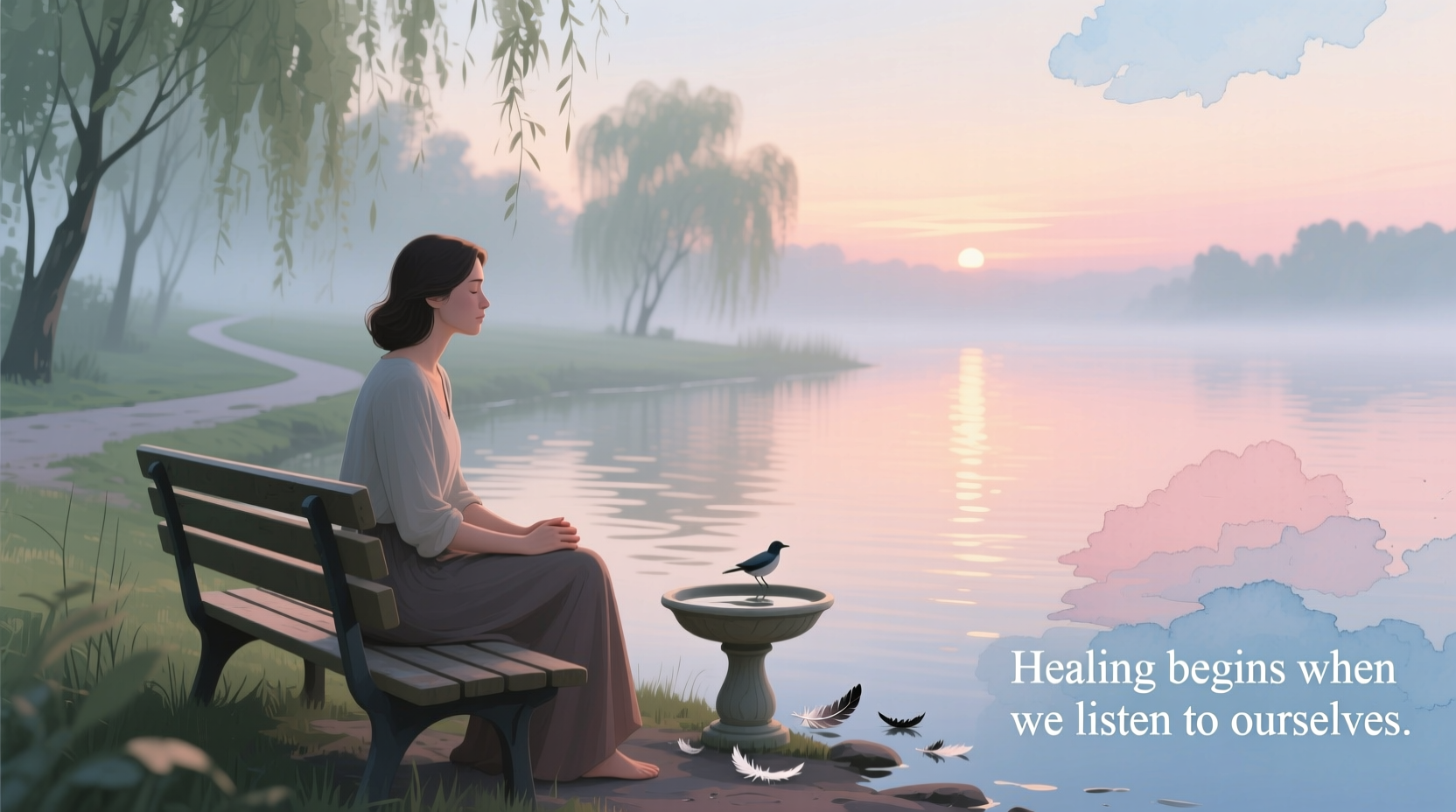
Grief over the absence of a child is valid, even if no pregnancy occurred or was lost. Society often overlooks this form of loss because it lacks visible markers—no funeral, no diagnosis to explain it. But the emotional weight is real. Suppressing it only prolongs suffering.
Start by naming what you feel: sadness, anger, envy, emptiness, shame. These emotions are not flaws—they are signals of love and hope that were deeply invested. Journaling can help externalize these feelings. Try writing letters to the child you imagined, expressing everything left unsaid. You don’t need to send them; their power lies in release.
“Infertility grief is disenfranchised grief—it’s rarely acknowledged publicly, yet it cuts to the core of identity and legacy.” — Dr. Susan Anderson, Clinical Psychologist and Author of *The Journey from Abandonment to Healing*
Reframe Identity Beyond Parenthood
For many, becoming a parent is tied to self-worth, purpose, or cultural expectation. When that path closes, it can feel like losing a future self. The work ahead isn’t to “get over” wanting a baby, but to reconstruct identity around other sources of meaning.
Ask yourself: What parts of caregiving, nurturing, or legacy-building can I express in other ways? Some redirect energy into mentoring youth, volunteering at schools, fostering animals, or supporting family members. Others channel creativity into art, writing, or community projects that leave a lasting imprint.
This isn’t substitution; it’s expansion. You are more than a potential parent. Rediscovering other dimensions of yourself restores balance and agency.
Step-by-Step Guide: Reclaiming Purpose (6-Week Timeline)
- Week 1: Identify values previously expressed through parenting (e.g., teaching, protecting, guiding).
- Week 2: List non-parental activities where those values already show up in your life.
- Week 3: Research one new way to express a core value (e.g., tutoring, coaching, advocacy).
- Week 4: Commit to trying that activity for two hours weekly.
- Week 5: Reflect on how it feels—does it bring fulfillment? Adjust as needed.
- Week 6: Integrate one meaningful role into your identity narrative.
Set Boundaries Around Triggers
Babies are everywhere—in social media, workplaces, family events. While joyful for others, constant exposure can retraumatize. Healing requires conscious boundary-setting, not avoidance.
Decide what you can tolerate and when you need space. Mute social media accounts that cause pain. Decline baby showers if attending feels too raw. Communicate needs gently: “I’m happy for you, but I need to skip the nursery tour this time.” True friends will respect your limits.
| Situation | Healthy Response | Unhelpful Response |
|---|---|---|
| Friend announces pregnancy | Congratulate, then excuse yourself to process privately | Suppress emotions or lash out |
| Family asks, “When are you having kids?” | “That’s personal. Let’s talk about something else.” | Engage in defensive argument |
| Seeing a pregnant stranger | Take deep breaths, acknowledge sadness, keep walking | Avoid all public spaces |
Seek Support That Validates, Not Fixes
Talking to well-meaning people who say “Just adopt!” or “It’ll happen when you stop stressing” often makes things worse. You need support that honors complexity—not solutions.
Look for therapists specializing in reproductive trauma or perinatal loss. Support groups (in-person or online) connect you with others who understand without explanation. Sharing stories reduces isolation and normalizes your experience.
Mini Case Study: Sarah’s Path Through Longing
Sarah, 38, had undergone four failed IVF cycles. She loved her career but felt hollow at baby showers. After months of silence, she joined an online forum for childless women. Reading others’ stories helped her realize her grief wasn’t weakness. With therapy, she explored her fear of being “forgotten” after death. She began volunteering at a literacy nonprofit, tutoring young girls. One student called her “my book mom.” The title stung at first—but over time, it softened into pride. Sarah still feels waves of sadness, but now they coexist with purpose. “I’m not a mother,” she says, “but I’m still someone’s guide. That counts.”
FAQ
Is it normal to still grieve years later?
Yes. Grief isn’t linear. Anniversaries, hormonal shifts, or life milestones can reactivate longing. What changes is your ability to hold the pain without being consumed by it. Healing isn’t the absence of grief—it’s resilience within it.
Can I want a baby and still move forward?
Absolutely. Moving forward doesn’t require eliminating desire. It means making room for other truths: that you are worthy as you are, that your life has value beyond reproduction, and that joy can coexist with sorrow.
Should I tell my partner how much this hurts?
If safety and trust exist, yes. Use “I” statements: “I feel lonely when we see newborns,” rather than “You don’t understand me.” Invite dialogue, not blame. Couples counseling can help navigate mismatched grief timelines.
Checklist: Emotional Healing Actions to Take Now
- Write a letter to your imagined child
- Identify one value you associate with parenting
- Find a therapist or support group by next week
- Mute or unfollow three social media accounts causing distress
- Try one caregiving activity outside parenting (e.g., mentoring, pet fostering)
- Practice saying “I need space” in a triggering situation
- Reflect weekly on moments of meaning unrelated to parenthood
Conclusion
Letting go of the dream of a baby is not surrender—it’s courage. The ache may never fully disappear, but it can become part of a larger story: one of resilience, reinvention, and quiet strength. Healing begins when you stop fighting your emotions and start listening to them. Each step you take—writing, speaking, setting boundaries, reaching out—is an act of self-respect. Your worth was never conditional on biology. Today, you can begin building a life that honors both your loss and your capacity to grow beyond it.




 浙公网安备
33010002000092号
浙公网安备
33010002000092号 浙B2-20120091-4
Comments
No comments yet. Why don't you start the discussion?