
Launching a new company is both exciting and daunting. You’ve built a product or service you believe in, but now comes the real challenge: getting people to notice, trust, and choose you over established competitors. Marketing a startup isn’t about big budgets—it’s about smart, strategic actions that create visibility, credibility, and momentum.
The most successful new brands don’t rely on luck. They follow deliberate, research-backed strategies that build awareness, foster customer loyalty, and generate sustainable growth. From defining a clear brand identity to leveraging digital tools and word-of-mouth, this guide breaks down what actually works when introducing a new business to the market.
Define Your Brand Identity with Precision
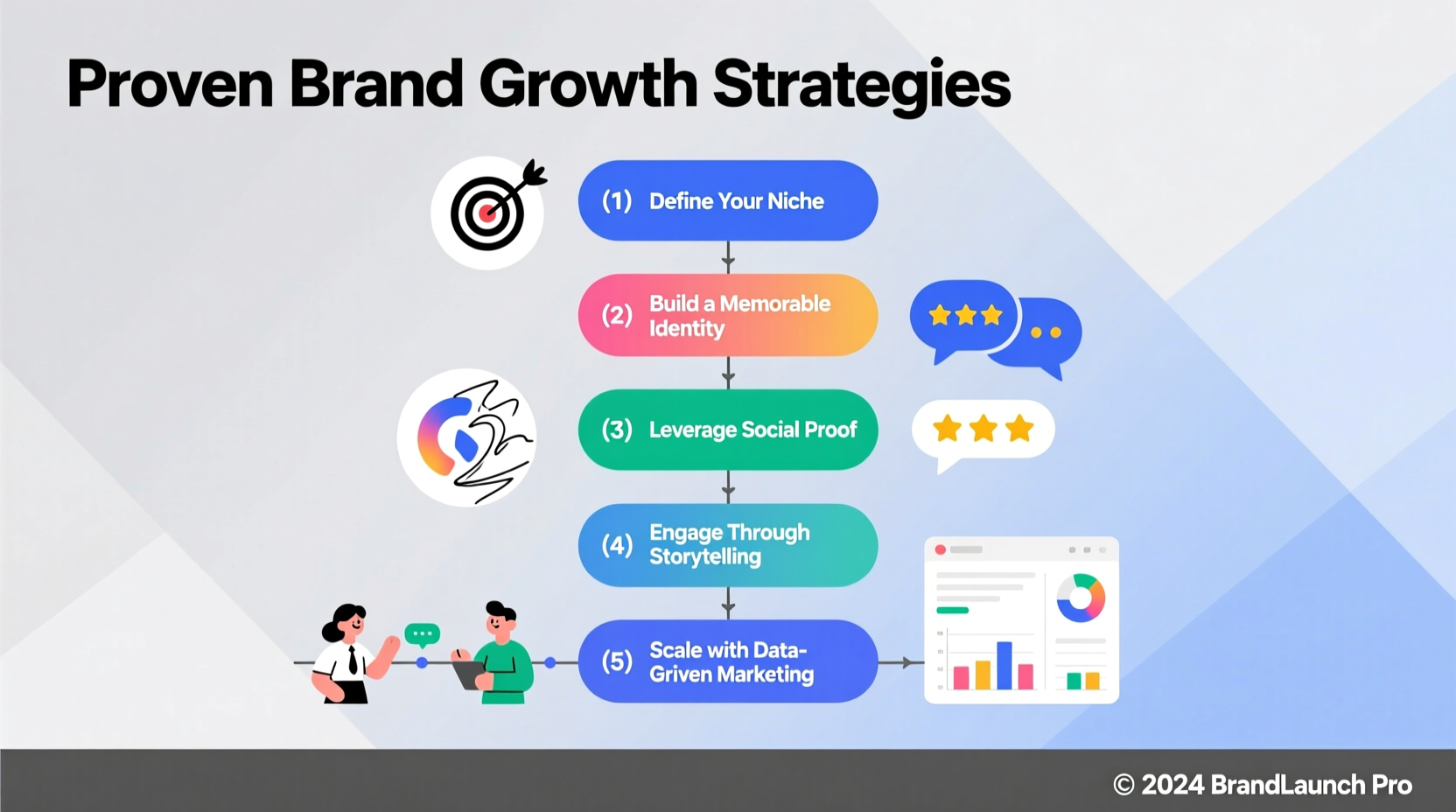
Your brand is more than a logo or color scheme—it’s the sum of every interaction a customer has with your company. A strong brand identity gives your business clarity, consistency, and emotional resonance. Without it, marketing efforts feel scattered and forgettable.
Start by answering three core questions:
- Who are you serving? (Be specific—avoid “everyone.”)
- What problem do you solve better than anyone else?
- Why should someone trust you over alternatives?
Use these answers to craft a compelling brand story. This narrative should explain your mission, values, and unique approach in a way that connects emotionally with your audience.
Build Visibility Through Strategic Content Marketing
Content marketing remains one of the most cost-effective ways for new companies to establish authority and attract organic traffic. Instead of interrupting audiences with ads, you provide value first—answering questions, solving problems, and building trust.
Focus on creating high-intent content that aligns with your audience’s search behavior. For example, if you sell eco-friendly skincare, write guides like “How to Transition to Clean Skincare” or “Common Toxins in Everyday Moisturizers.” These pieces answer real questions and position your brand as a helpful expert.
Consistency matters more than volume. Publishing one well-researched, SEO-optimized article per week will outperform sporadic bursts of low-quality content.
“Content isn’t king—useful content is king. Most brands publish to promote. The best ones publish to help.” — Rand Fishkin, Founder of SparkToro
Launch with a Minimum Viable Audience, Not a Minimum Viable Product
Many startups focus on perfecting their product before launching. But the most effective strategy is to start small—with a tightly defined group of early adopters who feel seen and understood.
Identify 50–100 ideal customers through niche communities, social media groups, or local networks. Engage them directly. Offer free trials, ask for feedback, and involve them in shaping your offering. When these early users succeed with your product, they become advocates who spread the word.
This approach flips traditional marketing on its head: instead of shouting into the void, you listen first, serve deeply, and grow outward from genuine relationships.
Step-by-Step Launch Timeline (First 90 Days)
- Week 1–2: Finalize brand messaging and create core content assets (website, lead magnet, social profiles).
- Week 3–4: Identify and engage 50 target customers via outreach or community participation.
- Month 2: Launch beta program or soft release; collect testimonials and case studies.
- Month 3: Optimize based on feedback; begin targeted paid campaigns using real user data.
Leverage Social Proof and Early Wins
In the beginning, no one knows your brand. That’s why social proof is critical. People don’t trust claims—they trust evidence.
Collect testimonials, user-generated content, and case studies as early as possible. Even simple quotes like “This saved me 3 hours a week” can make a powerful impression on a website or ad.
Run small-scale referral programs: offer existing users a benefit for bringing in friends. Dropbox famously grew by offering extra storage for referrals—a model that still works today.
| Social Proof Type | How to Use It | Impact Level |
|---|---|---|
| Customer Testimonials | Add to website, emails, sales pages | High |
| Case Studies | Share in newsletters, LinkedIn posts | Very High |
| User Reviews | Display on Google, Trustpilot, or app stores | Medium-High |
| Media Mentions | Pitch to industry blogs or local press | High |
Real Example: How a SaaS Startup Grew to 10,000 Users in 6 Months
A small B2B software company launched a task automation tool for remote teams. Instead of spending on ads, they focused on solving one pain point extremely well: reducing meeting overload.
They created a free “Meeting Audit Template” and shared it in remote work Slack groups and Reddit forums. The template went viral within niche communities. Thousands downloaded it, and many discovered the founder’s signature at the bottom linking to the product.
By offering immediate value without a pitch, they built trust. Over 1,200 users signed up organically in the first month. They then interviewed early customers, published mini case studies, and used those stories in targeted LinkedIn ads. Within six months, they had 10,000 active users and secured seed funding.
Their secret? Solve a visible, painful problem with generosity first—marketing follows naturally.
Essential Marketing Checklist for New Companies
- ✅ Define your ideal customer profile (name, job, pain points)
- ✅ Craft a clear, memorable brand message (one-sentence explanation)
- ✅ Build a simple, fast-loading website with a clear call-to-action
- ✅ Create 3–5 pieces of high-value content targeting customer questions
- ✅ Set up analytics (Google Analytics, UTM tracking)
- ✅ Identify and engage 50 early adopters directly
- ✅ Collect at least 5 testimonials or success stories
- ✅ Launch one low-cost channel (e.g., email, LinkedIn, SEO) with consistency
Frequently Asked Questions
How much should a new company spend on marketing?
There’s no fixed rule, but most bootstrapped startups allocate 10–20% of revenue to marketing. In the early stages, time is more valuable than money. Focus on earned and owned channels (content, referrals, organic social) before scaling paid ads.
Is branding really necessary for a small startup?
Yes—especially for a small startup. Strong branding helps you stand out in crowded markets, command premium pricing, and build customer loyalty. It’s not about expensive design; it’s about clarity, consistency, and authenticity.
What’s the fastest way to get first customers?
Direct outreach to a hyper-targeted list. Identify people already experiencing the problem you solve, contact them personally (via email or social DM), and offer a free trial or consultation. Personalization beats broad advertising every time in the early days.
Build Momentum, Not Just Awareness
Marketing a new company isn’t a sprint—it’s a series of strategic moves that compound over time. The goal isn’t just to be seen, but to be remembered, trusted, and recommended.
Stay focused on delivering real value, listening to feedback, and refining your message. The brands that last aren’t the loudest—they’re the ones that show up consistently, solve meaningful problems, and treat their customers like partners.




 浙公网安备
33010002000092号
浙公网安备
33010002000092号 浙B2-20120091-4
Comments
No comments yet. Why don't you start the discussion?