
Cooking a great steak on the grill isn’t just about heat and timing—it’s an art shaped by preparation, technique, and attention to detail. Whether you’re using a gas grill, charcoal, or even a portable setup, the principles remain the same: control, consistency, and care. With the right approach, anyone can achieve a deeply seared crust, a tender interior, and rich, smoky flavor that rivals top steakhouses. This guide breaks down the essential steps and insider knowledge to help you consistently grill the perfect steak.
Choose the Right Cut for Grilling
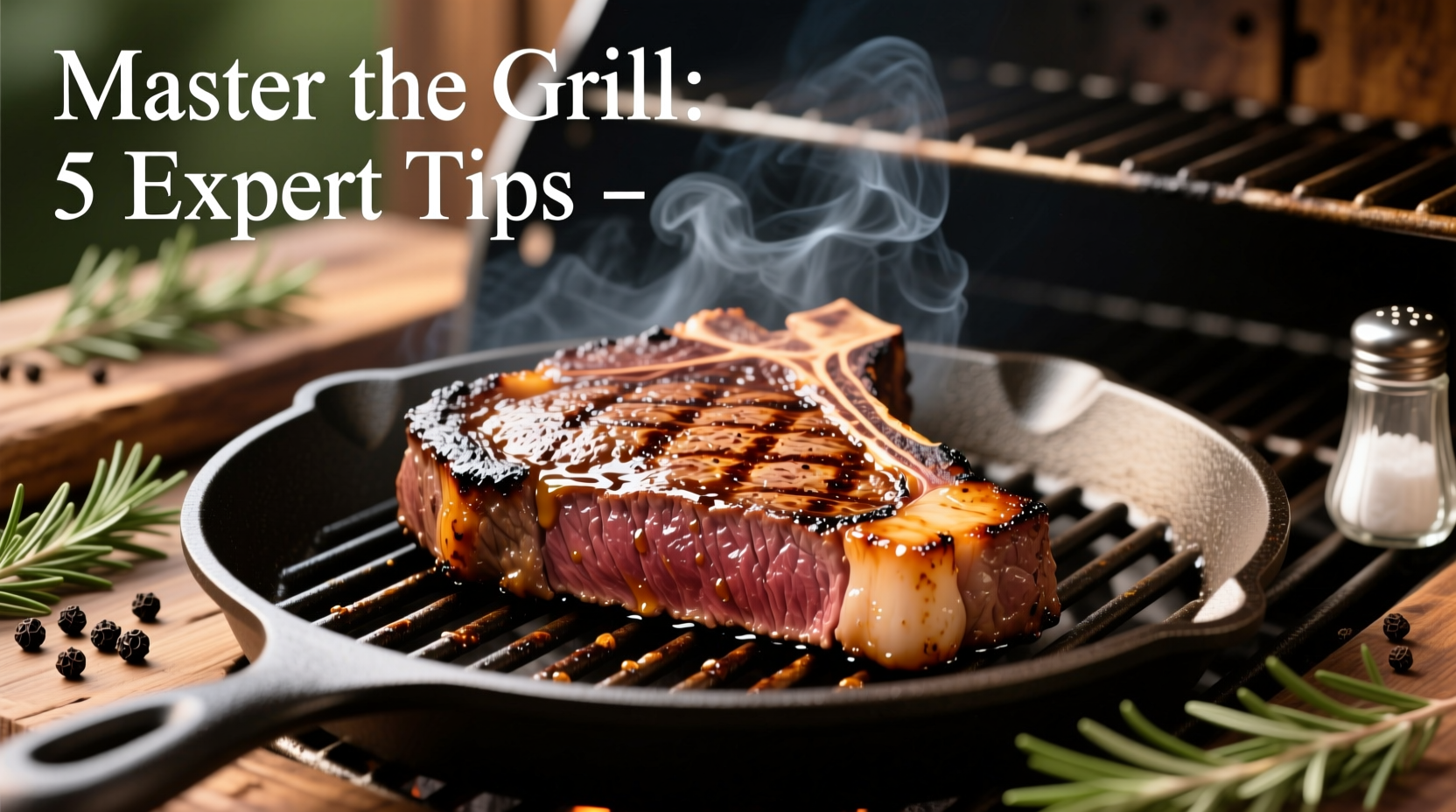
The foundation of a great grilled steak starts at the butcher counter. Not all cuts respond the same way to high heat. Some benefit from marbling; others need careful handling to avoid toughness. The best grilling steaks are thick (at least 1 inch), well-marbled, and suited to quick, high-temperature cooking.
| Cut | Flavor Profile | Best For | Grill Time (for 1.5” thick) |
|---|---|---|---|
| Ribeye | Rich, buttery, highly marbled | High-heat searing, medium doneness | 4–5 minutes per side (medium-rare) |
| New York Strip | Bold beefy flavor, moderately tender | Balanced texture and taste | 5–6 minutes per side |
| Filet Mignon | Mild, ultra-tender | Lower fat, elegant finish | 3–4 minutes per side |
| Porterhouse/T-Bone | Dual texture (strip + filet) | Sharing, dramatic presentation | 6–7 minutes per side, indirect heat after sear |
Prepare Your Steak Like a Pro
Preparation is where most home cooks miss critical opportunities. A properly prepped steak doesn’t just taste better—it cooks more evenly and develops superior crust. Start by patting the steak dry with paper towels. Moisture is the enemy of searing. Then, season generously with coarse kosher salt and freshly cracked black pepper. For deeper flavor, consider a light rub of garlic powder or smoked paprika, but keep it simple—steak should shine.
If you have time, use the “dry-brine” method: salt the steak 1–2 hours before grilling and leave it uncovered in the fridge. This draws out surface moisture, enhances seasoning penetration, and improves browning.
“Salt your steak early. It transforms texture and flavor. Don’t wait until the last second.” — Daniel Gritzer, Culinary Director, Serious Eats
Master Your Grill Setup
The key to flawless grilled steak is temperature control. You need two zones: direct high heat for searing and indirect heat for finishing. This allows you to develop a caramelized crust without overcooking the center.
- Charcoal Grill: Pile coals on one side for a two-zone fire. Sear over the hot side, then move to the cooler side to finish.
- Gas Grill: Turn on burners on one side only. Preheat with the lid closed for 10–15 minutes to reach 450–500°F.
- Grill Grates: Clean and oil them thoroughly. Use tongs and a folded paper towel dipped in vegetable oil to wipe the grates before placing the steak.
Step-by-Step Guide to Grilling the Perfect Steak
- Bring steak to room temperature (30–60 minutes out of the fridge).
- Pat dry and season with salt, pepper, and optional spices.
- Preheat the grill to high (450–500°F) with two-zone setup.
- Sear the steak over direct heat for 2–3 minutes per side to form a dark brown crust. Avoid moving it too soon—let it release naturally.
- Flip and sear the other side, then rotate 45 degrees for crosshatch marks if desired.
- Move to indirect heat and continue cooking to desired doneness, flipping once.
- Use a meat thermometer for accuracy: 125°F for rare, 135°F for medium-rare, 145°F for medium.
- Remove and rest on a warm plate or cutting board, loosely tented with foil, for 5–10 minutes.
Resting allows juices to redistribute. Cutting too soon leads to a dry steak—no matter how well you cooked it.
Avoid Common Grilling Mistakes
Even experienced grillers fall into traps that compromise quality. Here are the most frequent errors and how to avoid them:
| Mistake | Why It’s Bad | How to Fix It |
|---|---|---|
| Pressing the steak with a spatula | Squeezes out precious juices | Leave it alone—trust the process |
| Over-flipping | Interrupts crust formation | Flip only once, maybe twice max |
| Not cleaning the grill | Causes sticking and uneven cooking | Scrub grates before heating |
| Guessing doneness | Leads to under/overcooked results | Use an instant-read thermometer |
| Skipping the rest | Juices run out when sliced | Wait at least 5 minutes |
Real Example: From Overcooked to Perfect in One Weekend
Mark, a home cook from Austin, used to struggle with dry, tough steaks. He’d marinate ribeyes for hours, grill them straight over high heat, and cut into them immediately. The result? Charred outside, gray inside, juiceless. After learning about two-zone grilling and resting, he adjusted his method. He dry-brined his next steak, seared it over direct heat, moved it to the cool side, and waited 8 minutes before slicing. The difference was immediate: rosy pink throughout, juicy bite, and a crisp crust. “I finally understand why restaurants get it right,” he said. “It’s not magic—it’s method.”
Checklist: Your Next Grilled Steak Success Plan
- ☐ Select a thick-cut, well-marbled steak (ribeye, strip, or filet)
- ☐ Dry-brine with salt 1–2 hours ahead (optional but recommended)
- ☐ Bring steak to room temperature before grilling
- ☐ Preheat grill with two-zone setup (direct + indirect heat)
- ☐ Clean and oil grates thoroughly
- ☐ Sear 2–3 minutes per side over high heat
- ☐ Move to indirect heat and cook to target internal temp
- ☐ Use a meat thermometer—don’t guess
- ☐ Rest for 5–10 minutes before slicing
- ☐ Slice against the grain for maximum tenderness
Frequently Asked Questions
Should I marinate my steak before grilling?
For high-quality cuts like ribeye or strip, marinating isn’t necessary. Salt and pepper often suffice. However, leaner cuts like flank or skirt steak benefit from acidic marinades (with vinegar, citrus, or wine) to tenderize and add flavor. Limit marinating time to 2–4 hours to avoid mushy texture.
Can I grill frozen steak?
It’s not ideal, but possible. Grilling a frozen steak requires longer cooking time and risks uneven doneness. If you must, use the reverse-sear method: start on indirect low heat until the center reaches about 110°F, then sear over high heat. Thawing in the fridge overnight is always better.
How do I get better grill marks?
Ensure the grill is hot (450°F+), the steak is dry, and the grates are clean and oiled. Place the steak at a 45-degree angle to the grates, sear 2–3 minutes, then flip and rotate to create a crosshatch. Resist the urge to move it during searing.
Final Thoughts: Elevate Your Grilling Game
Mastering the best way to cook steak on the grill comes down to understanding heat, respecting the meat, and practicing patience. It’s not about complicated tools or exotic ingredients—it’s about fundamentals done well. Once you nail the sear, manage the zones, and trust the thermometer, you’ll never settle for mediocre steak again. Every summer cookout, backyard dinner, or celebratory meal becomes an opportunity to impress.




 浙公网安备
33010002000092号
浙公网安备
33010002000092号 浙B2-20120091-4
Comments
No comments yet. Why don't you start the discussion?