
In today’s economy, every dollar counts. Whether you're shopping online or in-store, the way you use your \"shop money\"—the funds allocated specifically for purchases—can dramatically affect your long-term financial health. Smart shoppers don’t just look for discounts; they leverage systems, rewards, timing, and behavioral strategies to stretch their budgets further. With rising prices and evolving retail models, understanding how to optimize your spending isn't a luxury—it's a necessity.
Maximizing savings goes beyond clipping coupons. It involves strategic planning, loyalty program mastery, and an awareness of psychological triggers that lead to overspending. When done right, smart shopping transforms routine purchases into opportunities for value accumulation, cashback gains, and even lifestyle upgrades—all without increasing your budget.
Understand What “Shop Money” Really Means
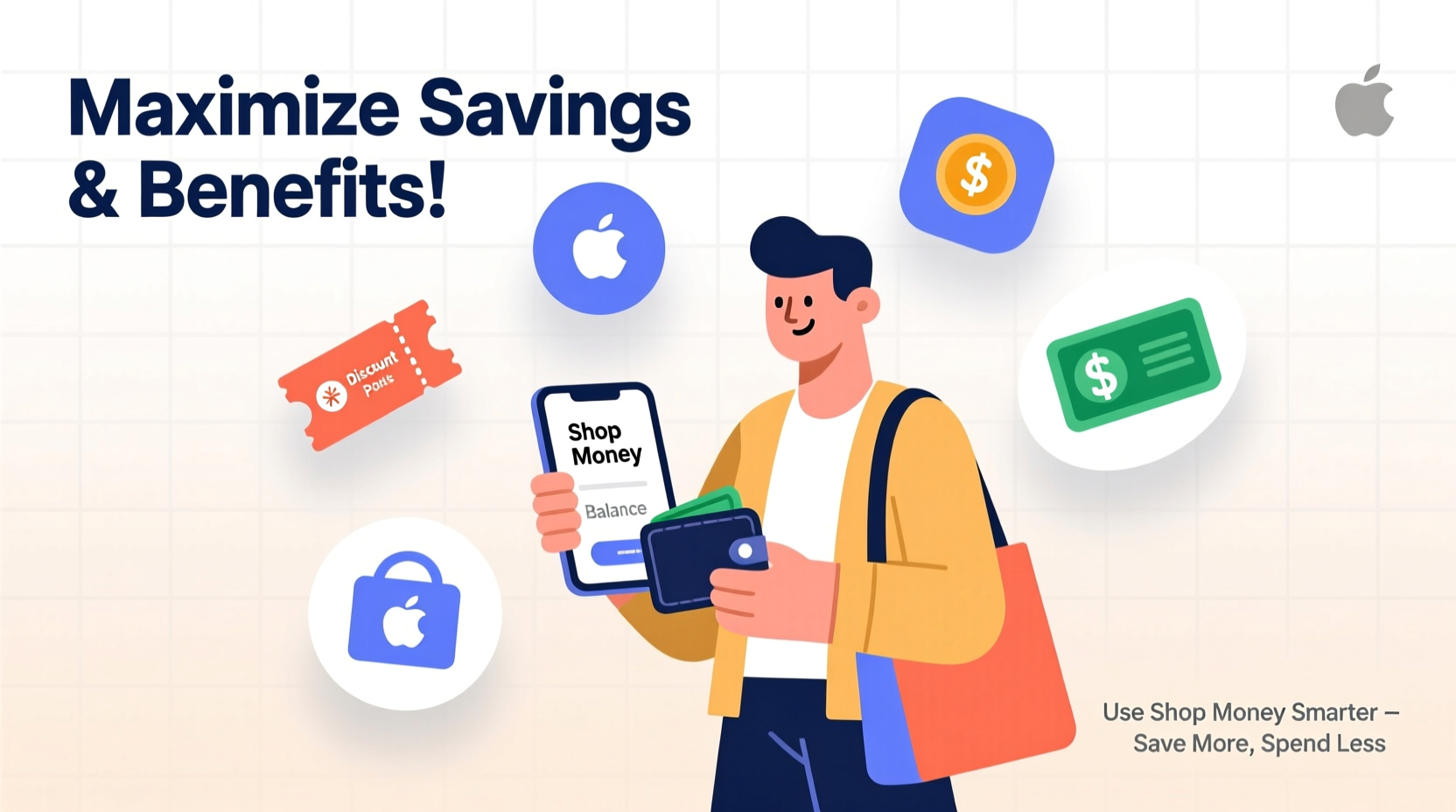
“Shop money” isn’t just cash in your wallet or balance in your checking account. It includes gift cards, store credit, reward points, cashback balances, and even digital currencies offered by retailers. Many consumers overlook non-cash forms of purchasing power, but these tools can significantly reduce out-of-pocket expenses when used wisely.
For example, $50 in accumulated rewards from a grocery chain is real purchasing power. If ignored, it's like leaving money on the table. The key is treating all forms of shop money as part of your overall spending strategy—not as “bonus” funds to be spent impulsively.
Leverage Reward Programs Strategically
Retailers and credit card companies offer a variety of loyalty programs, but not all are created equal. To maximize benefits, focus on programs that align with your actual spending habits rather than chasing high sign-up bonuses you won’t use.
Consider this: A department store might offer 5x points on home goods, but if you rarely buy those items, the perk is meaningless. Instead, prioritize programs where your regular purchases—like groceries, fuel, or streaming services—earn the highest returns.
“Loyalty programs only work if they serve your lifestyle, not distract from it.” — Sarah Lin, Consumer Finance Analyst at RetailEdge Insights
To get the most from rewards:
- Stack retailer rewards with credit card cashback (e.g., use a card that gives 3% back on retail purchases while earning store points).
- Check for member-exclusive sales or double-point events before making planned purchases.
- Redeem points for high-value items or statement credits instead of low-utility perks.
Time Your Purchases for Maximum Impact
Timing is one of the most powerful yet underused tools in smart shopping. Retailers follow predictable cycles: seasonal clearance, holiday promotions, and end-of-month inventory pushes. By aligning your spending with these patterns, you can unlock deeper discounts and better redemption rates on points.
Here’s a practical timeline for common categories:
- January: Post-holiday sales—electronics, winter apparel, fitness gear.
- March–April: Spring cleaning season—home organization, appliances, luggage.
- July: Summer clearance—swimwear, outdoor furniture, patio sets.
- November–December: Black Friday through post-Christmas deals—gifts, electronics, gift cards (often discounted 10–15%).
Buying gift cards on discount during holiday seasons can also boost your shop money. For instance, purchasing a $100 department store card for $85 through a third-party reseller effectively gives you instant equity to spend later.
Smart Spending Checklist
Follow this actionable checklist to ensure you're maximizing savings every time you shop:
- ✅ Check existing reward balances before spending.
- ✅ Use a cashback credit card (and pay it off monthly).
- ✅ Search for active promo codes or coupon portals (e.g., Rakuten, Honey).
- ✅ Compare final price across retailers including shipping and taxes.
- ✅ Wait 24–48 hours before buying non-essential items to avoid impulse buys.
- ✅ Stack manufacturer rebates with store discounts when applicable.
- ✅ Review return policies and price-matching options before checkout.
Real Example: How One Shopper Saved $1,200 Annually
Meet Jamie, a working parent who spends about $600 monthly on groceries, household items, and occasional clothing. Previously, Jamie paid full price and used cash, missing out on available savings.
After adopting a structured approach, here’s what changed:
- Switched to a grocery store loyalty program offering fuel points—saving $0.10/gallon on gas (used weekly).
- Began using a cashback credit card (2% on all purchases), earning $144/year.
- Started shopping during biweekly bonus point events, increasing rewards by 3x.
- Coupled digital coupons with manufacturer rebates via Ibotta, averaging 15% back on qualifying items.
- Purchased gift cards at 5–10% off during holiday sales, then used them for essentials.
The result? Jamie now saves an estimated $1,200 annually—without changing consumption habits. That’s equivalent to a free month of groceries or a family vacation fund built purely through smarter use of shop money.
Avoid Common Pitfalls That Undermine Savings
Even savvy shoppers fall into traps that erode their savings. Awareness is the first step to avoiding them.
| Pitfall | Why It Hurts | How to Avoid |
|---|---|---|
| Chasing rewards you don’t need | Leads to unnecessary spending to “earn” points | Earn rewards only on purchases you were already making |
| Letting gift cards expire | Direct loss of usable funds | Track expiration dates; set calendar reminders |
| Using shop money impulsively | Treats saved funds as “free money,” leading to waste | Apply same discipline to rewards as to cash |
| Ignoring price-matching policies | Misses out on guaranteed lowest prices | Ask retailers to match competitor prices at checkout |
Frequently Asked Questions
Can I combine multiple types of shop money in one transaction?
It depends on the retailer. Some stores allow stacking gift cards with rewards or coupons, while others limit payment methods. Always check terms before assuming compatibility. For example, Amazon allows gift card + credit card splits, but Target may restrict combining promotional codes.
Are cashback apps worth it?
Yes—if used strategically. Apps like Rakuten, Fetch, and Honey can deliver passive savings. However, avoid letting small rewards encourage larger-than-necessary purchases. Focus on earning cashback on planned expenses, not chasing bonuses on new ones.
What happens to unused reward points?
Many programs have expiration policies. Points may reset after 12–24 months of inactivity. To protect your balance, make at least one small purchase annually in inactive accounts or set renewal reminders.
Conclusion: Turn Shopping Into a Wealth-Building Habit
Maximizing savings isn’t about deprivation—it’s about optimization. When you treat shop money as a strategic resource, every purchase becomes an opportunity to gain more value, reduce waste, and build financial resilience. From leveraging loyalty programs to timing buys and avoiding emotional spending, the tools are accessible to everyone.
You don’t need a big income to shop smart. You need awareness, consistency, and a plan. Start today by auditing your current spending, listing all available shop money sources, and applying one new strategy from this guide. Small changes compound quickly. Over time, the difference between average and optimized shopping can amount to hundreds—or thousands—of dollars saved.




 浙公网安备
33010002000092号
浙公网安备
33010002000092号 浙B2-20120091-4
Comments
No comments yet. Why don't you start the discussion?