
In today's fast-paced world, smartphones are more than just communication tools—they're personal assistants, cameras, navigation systems, and entertainment hubs. With so much reliance on these devices, protecting them from physical damage is crucial. While screens have become stronger with technologies like Gorilla Glass, they remain vulnerable to cracks and shattering when dropped. A shockproof case is one of the most effective lines of defense, but simply owning one isn’t enough. To truly safeguard your device, you need to understand how to select, use, and maintain it properly. This guide reveals practical strategies to maximize screen protection through intelligent use of shockproof cases.
Understanding How Shockproof Cases Work
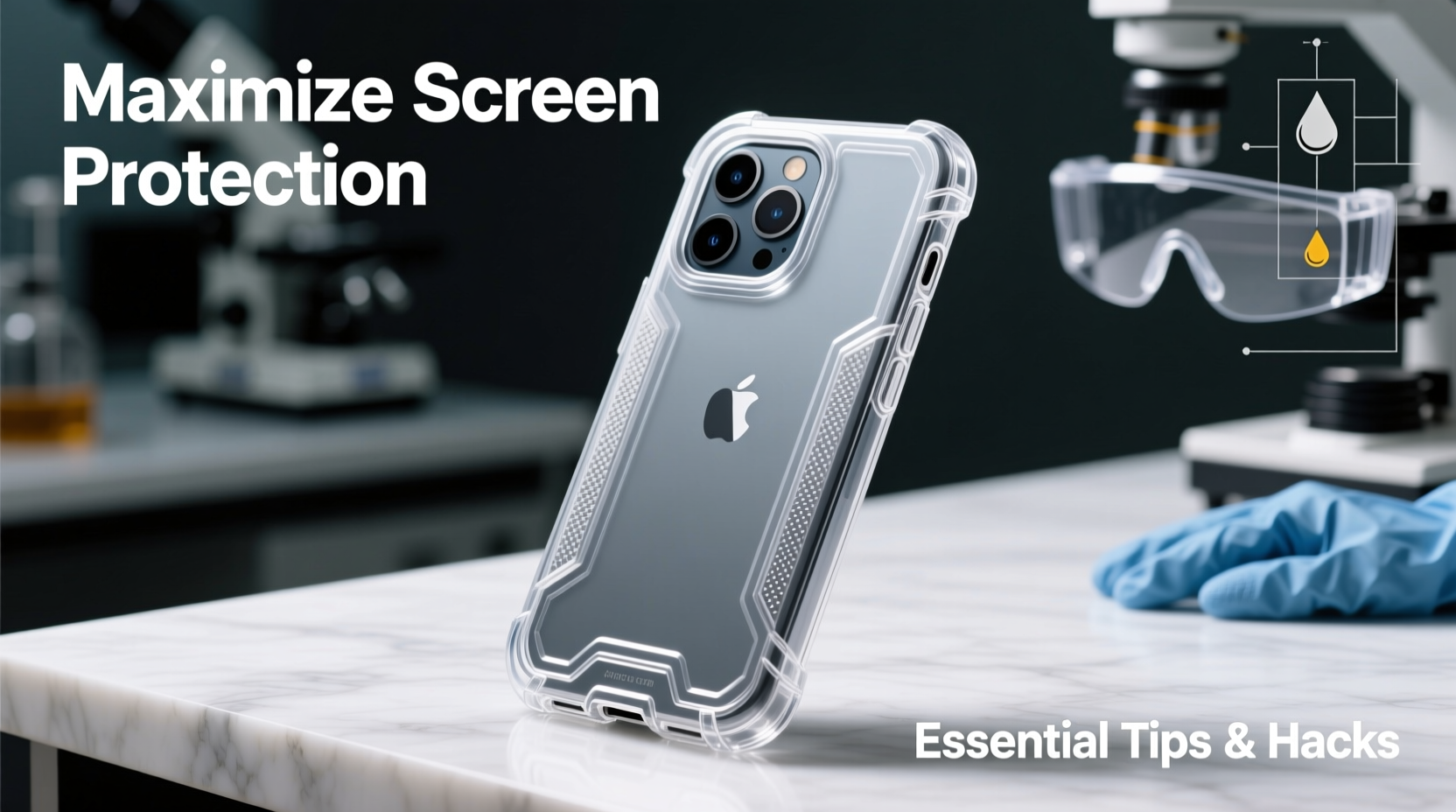
Shockproof cases are engineered to absorb and disperse impact energy during a fall. They typically feature multi-layered construction: a rigid outer shell made of polycarbonate or TPU (thermoplastic polyurethane) and a soft inner layer that cushions the phone. Some advanced models include air pockets, corner reinforcements, or honeycomb structures designed to compress on impact.
The key principle behind their effectiveness is energy dissipation. When a phone hits the ground, the case deforms slightly, converting kinetic energy into heat and deformation rather than transferring it directly to the screen or internal components.
“Most screen fractures occur not from direct face-down drops, but from corner or edge impacts. That’s why reinforced corners in a case can make all the difference.” — Dr. Alan Zhou, Materials Engineer at Mobile Durability Labs
Choosing the Right Shockproof Case for Maximum Protection
Not all shockproof cases offer equal protection. Selecting the right one involves evaluating materials, design features, and certification standards.
Key Features to Prioritize
- Elevated bezels: Ensure the front lip of the case extends beyond the screen to prevent direct contact with surfaces when laid flat.
- Reinforced corners: Impact zones—especially corners—are where most damage begins. Choose cases with extra padding or bumpers in these areas.
- Precise cutouts: Poorly aligned ports or camera openings can compromise structural integrity and expose sensitive areas.
- Material quality: Dual-layer designs combining hard outer shells with soft silicone interiors provide optimal shock absorption.
Do’s and Don’ts When Selecting a Case
| Do’s | Don’ts |
|---|---|
| Choose cases with raised edges around screen and camera | Avoid ultra-slim “protective” cases that lack cushioning |
| Verify compatibility with your exact phone model | Don’t buy generic-fit cases; they often misalign critical sensors |
| Check user reviews focusing on real-world drop performance | Ignore claims without independent testing or certifications |
| Opt for reputable brands with durability track records | Don’t prioritize aesthetics over functional protection |
Installation and Usage Best Practices
Even the best case won't perform well if installed incorrectly or used improperly. Follow these steps to ensure full functionality and maximum protection.
- Remove dust before installation: Wipe down your phone thoroughly to avoid trapping debris under the case, which could create pressure points.
- Align carefully: Snap the case on slowly, starting from one corner and working around to avoid cracking the plastic or stressing the phone frame.
- Test button responsiveness: After installation, check volume, power, and mute switches to confirm full access without sticking.
- Inspect regularly: Cracks, warping, or loose fit reduce protective value. Replace damaged cases immediately.
Real-World Example: The Coffee Shop Drop Test
Jamie, a freelance photographer in Seattle, frequently works in cafes while carrying her phone in a pocket or bag. One morning, she accidentally knocked her phone off a high-top table onto a tile floor. Her device was equipped with a certified MIL-STD-810G shockproof case featuring air-cushioned corners and a 2mm raised bezel.
Though the fall was nearly four feet high and landed directly on a corner, the phone survived without scratches or cracks. She attributed this resilience to both the case’s design and her decision to avoid adding bulky add-ons like pop sockets that might alter impact dynamics.
This scenario illustrates how proper case selection can prevent costly repairs—even in unpredictable environments.
Enhancing Protection: Combine Case with Complementary Measures
A shockproof case should be part of a broader protection strategy. Consider integrating additional safeguards to further reduce risk.
Essential Add-Ons and Habits
- Tempered glass screen protector: Adds an extra sacrificial layer that absorbs scratches and minor impacts.
- Anti-slip grips: Attach small rubber dots or wear textured wrist straps to reduce accidental slips.
- Habit training: Keep your phone in a consistent location (e.g., front pocket, dedicated bag compartment) to minimize fumbling.
- Nighttime storage: Place the phone on a soft surface like a fabric-covered nightstand instead of hard countertops.
“Think of your phone’s protection as a system: the case handles macro-impacts, the screen protector manages micro-abrasions, and your habits reduce exposure.” — Lena Patel, Tech Lifestyle Consultant
Frequently Asked Questions
Can I use my shockproof case with wireless charging?
Yes, most modern shockproof cases are designed to be compatible with Qi wireless charging. However, extremely thick cases may interfere with efficiency. If you notice slow charging, consider removing the case during extended charging sessions.
How often should I replace my shockproof case?
Replace your case every 12–18 months or sooner if you notice visible wear such as cracks, discoloration, or looseness. Over time, materials degrade and lose their shock-absorbing properties.
Does water resistance improve screen protection?
While water resistance doesn’t directly protect against drops, sealed cases with IP ratings often have tighter builds and fewer exposed ports, indirectly improving structural durability. Just remember: water resistance ≠ drop protection.
Conclusion: Build a Smarter Defense Strategy Today
Maximizing screen protection goes beyond simply snapping on a rugged case. It requires thoughtful selection, correct usage, regular maintenance, and smart daily habits. By choosing a case with proven impact resistance, ensuring proper fit, and combining it with complementary protections like screen shields and mindful handling, you significantly reduce the likelihood of screen damage.
Your smartphone represents a major investment—both financially and functionally. Taking proactive steps now can save hundreds in repair costs and extend your device’s usable life by years. Don’t wait until after a drop to think about protection.




 浙公网安备
33010002000092号
浙公网安备
33010002000092号 浙B2-20120091-4
Comments
No comments yet. Why don't you start the discussion?