
For professionals juggling early meetings, tight deadlines, and after-work commitments, finding time to eat well can feel impossible. Takeout becomes routine, salads wilt in the fridge, and energy levels crash by mid-afternoon. The solution isn’t more time—it’s smarter use of the time you already have. With strategic planning and efficient techniques, you can prepare a full week of nutritious, satisfying meals in under 120 minutes. This isn’t about perfection or gourmet cooking; it’s about consistency, simplicity, and sustainability.
Why Meal Prep Matters—And Why Speed Is Key
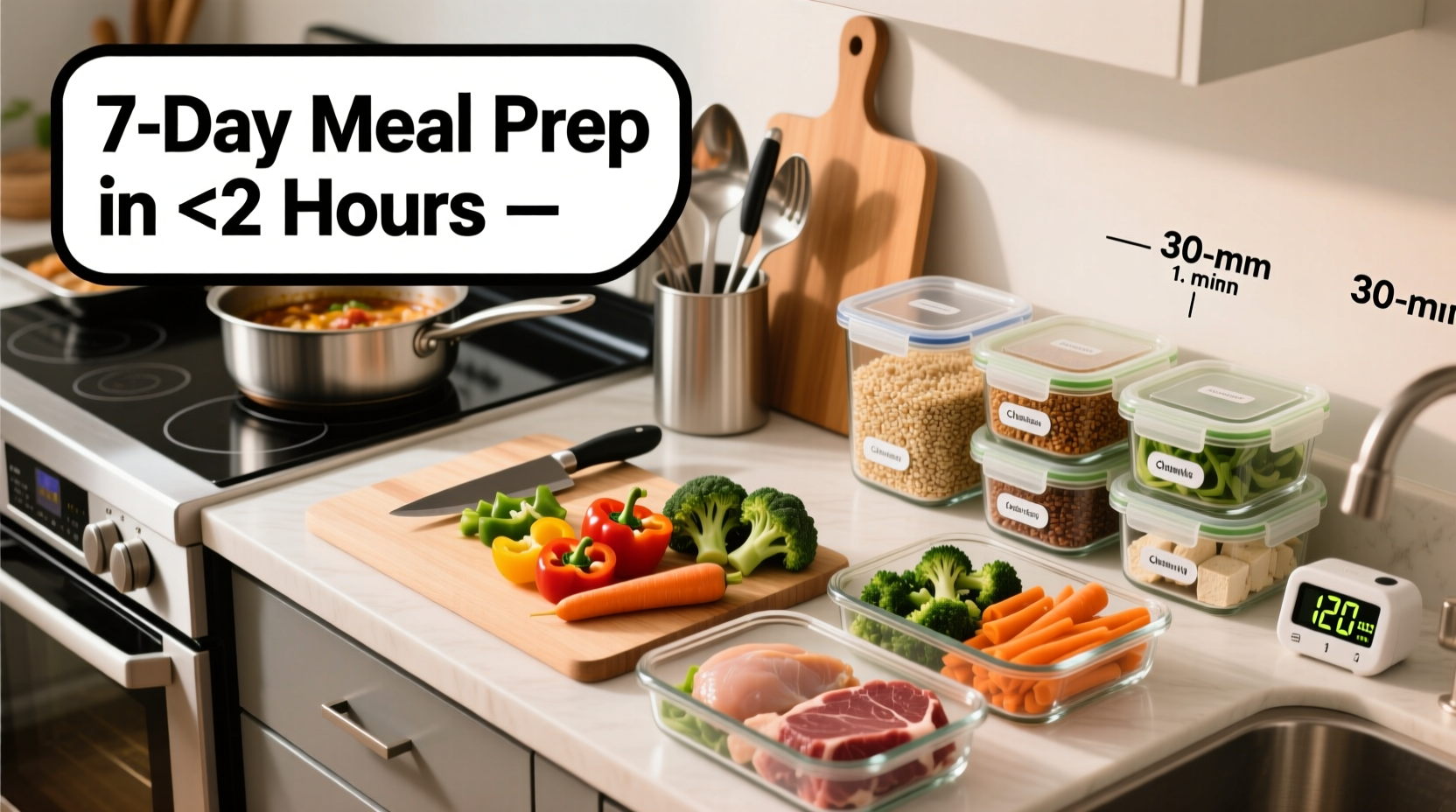
Meal prepping isn’t just a trend; it’s a proven strategy for better eating habits, reduced food waste, and improved time management. According to a 2022 study published in the Journal of Nutrition Education and Behavior, individuals who regularly prep meals consume more vegetables, fewer processed foods, and report lower stress around mealtimes.
But many people abandon meal prep because they assume it requires four-hour weekend sessions or culinary expertise. The reality? A focused, two-hour block is more than enough when done right. The goal isn’t to cook every dish from scratch but to streamline processes, batch components efficiently, and assemble meals that stay fresh and flavorful all week.
Step-by-Step Guide: Your Two-Hour Meal Prep Timeline
Follow this realistic timeline to maximize productivity without rushing. Use a kitchen timer or phone alerts to stay on track.
- Minutes 0–15: Set Up & Prep Ingredients
Wash and chop vegetables, measure grains, portion proteins, and organize containers. Keep cutting boards labeled (e.g., “veggies,” “meat”) to avoid cross-contamination. - Minutes 15–35: Cook Grains and Legumes
Start rice, quinoa, farro, or lentils in a rice cooker or pot. These take 15–20 minutes active time and can simmer while you work on other tasks. - Minutes 35–60: Roast Vegetables and Proteins
Spread chopped veggies and seasoned chicken, tofu, or fish on sheet pans. Roast at 400°F (200°C) for 20–25 minutes. Use convection mode if available to speed up cooking. - Minutes 60–80: Sauté or Simmer Sauces and Components
Make a quick tomato sauce, stir-fry base, or curry paste. These can be portioned and stored separately to mix into different meals later. - Minutes 80–105: Assemble Meals
Divide bases (grains, greens), proteins, and roasted items into reusable containers. Add dressings or sauces in small sealed jars or separate compartments. - Minutes 105–120: Clean Up & Label
Wipe counters, load the dishwasher, and label containers with dates and contents. Store immediately in the refrigerator.
This sequence ensures no downtime—while one thing cooks, you’re preparing the next. Overlap is key to efficiency.
Smart Strategies to Save Time Without Sacrificing Quality
Time savings come not just from speed, but from smart choices before and during prep. Consider these high-impact tactics:
- Choose multi-use ingredients. Roasted sweet potatoes can go in grain bowls, salads, or tacos. Cooked lentils work in soups, wraps, or as a side.
- Use semi-homemade shortcuts. Canned beans, frozen vegetables, pre-cooked brown rice pouches, and rotisserie chicken reduce active prep time significantly.
- Standardize your containers. Uniform sizes stack better and make portion control easier. Glass containers with compartments prevent sogginess.
- Double protein batches. If you're baking chicken, make extra to use in salads, sandwiches, or stir-fries later in the week.
- Prep dry components only. For those who dislike reheated meals, prep ingredients separately and assemble fresh each day—ideal for salads, wraps, or grain bowls.
Sample Weekly Plan: Balanced, Fast, and Flexible
Here’s a real-world example of what you can accomplish in under two hours. This plan yields five lunches and three dinners, using overlapping ingredients to minimize waste and effort.
| Component | Quantity | Used In |
|---|---|---|
| Quinoa (cooked) | 4 cups | Lunch bowls (Mon–Fri), dinner salad (Wed) |
| Chicken breast (baked, sliced) | 5 breasts | Lunch bowls (Mon–Wed), tacos (Thu), stir-fry (Fri) |
| Rice noodles (cooked) | 2 servings | Stir-fry (Fri), lunch (Sat) |
| Roasted vegetables (bell peppers, zucchini, onions) | 6 cups | Lunch bowls, stir-fry, omelets (Sun) |
| Hard-boiled eggs | 6 | Salads, snacks, breakfasts |
| Turkey chili (batch-cooked) | 6 servings | Dinner (Tue, Thu), lunch (Wed) |
This approach balances variety and repetition—just enough sameness to save time, enough variation to avoid burnout. Each lunch bowl can vary simply by changing the dressing: pesto one day, tahini another, salsa verde the next.
“Efficiency in meal prep doesn’t mean monotony. It means creating modular building blocks that can be recombined creatively.” — Dr. Lena Torres, Registered Dietitian and Time Management Coach
Mini Case Study: Sarah’s Two-Hour Transformation
Sarah, a project manager at a tech startup, used to spend $70+ weekly on delivery apps and felt sluggish by Thursday. She decided to try two-hour meal prep after reading about batch cooking. On a Sunday morning, she followed a simple plan: cooked 3 cups of quinoa, roasted two trays of mixed vegetables, grilled four chicken breasts, and made a large pot of black bean chili.
In 1 hour and 48 minutes, she had five complete lunches and three dinners ready. She stored meals in glass containers and added fresh greens or avocado just before eating. By Friday, she’d saved $52 compared to her usual spending and reported higher afternoon energy. “I didn’t feel like I was sacrificing anything,” she said. “The meals tasted better than takeout, and I wasn’t scrambling at 6 p.m. wondering what to eat.”
Sarah now dedicates the same Sunday window to prep every week. Her only adjustment? She started freezing two portions of chili for future weeks—cutting down future prep time even further.
Do’s and Don’ts of Efficient Meal Prepping
Avoid common pitfalls that waste time or ruin meals. Follow this checklist to stay on track.
| Do’s | Don’ts |
|---|---|
| Plan meals around overlapping ingredients | Buy specialty items you won’t use again |
| Use kitchen timers to stay on schedule | Cook everything at once—overload your stove |
| Label containers with date and contents | Store saucy dishes without barriers—prevents sogginess |
| Keep a running grocery list all week | Try new, complex recipes during prep time |
| Freeze extras like soups or sauces | Leave food cooling on the counter—refrigerate within 2 hours |
Essential Checklist: Your Two-Hour Prep Roadmap
Print or save this checklist to ensure nothing is missed on prep day.
- ☐ Confirm your weekly meal plan (3–5 repeated dishes is ideal)
- ☐ Check pantry and fridge for existing ingredients
- ☐ Shop for groceries 1–2 days in advance
- ☐ Clear counter space and clean appliances (oven, rice cooker)
- ☐ Gather containers, labels, knives, cutting boards, and utensils
- ☐ Start with a clean sink and empty dishwasher
- ☐ Begin with longest-cooking items (grains, beans, roasts)
- ☐ Multitask: roast, simmer, and chop simultaneously
- ☐ Cool food quickly before sealing (spread on tray first)
- ☐ Store meals in front of older leftovers to encourage rotation
Frequently Asked Questions
Can I meal prep if I don’t like eating the same thing twice?
Absolutely. Focus on prepping components, not full meals. Cook a grain, a protein, and three vegetable options. Mix and match daily with different sauces or spices. One batch of grilled chicken can become a taco, salad topping, wrap filling, or stir-in for soup.
How do I keep food safe when prepping a full week ahead?
Most cooked meals are safe for 4–5 days in the refrigerator. To extend freshness, cool food completely before sealing, store at 40°F (4°C) or below, and avoid placing hot containers directly in the fridge. Freeze portions intended for days 6–7. Reheat to an internal temperature of 165°F (74°C).
What if I only have one hour?
Prioritize three elements: a protein, a starch, and a vegetable. Use quick-cook methods—stir-frying, steaming, or air frying—and rely on convenience items like canned beans, frozen riced cauliflower, or pre-washed greens. Even one hour of prep reduces weekday chaos significantly.
Make It Stick: Building a Sustainable Habit
The biggest mistake people make isn’t poor planning—it’s expecting perfection from day one. Meal prep should adapt to your life, not dominate it. Start with one session per week. Track what works: Which meals held up best? Which combinations felt boring? Adjust accordingly.
Over time, you’ll develop a personal library of go-to combos that require less thinking and even less time. Eventually, two-hour prep becomes effortless—a quiet, productive ritual that pays dividends in energy, focus, and peace of mind throughout the week.
“The most successful meal preppers aren’t the ones with the fanciest containers. They’re the ones who show up consistently with a clear plan.” — Marcus Reed, Wellness Coach and Author of *Effortless Eating*
Start Tonight, Eat Better All Week
You don’t need a perfect kitchen, expensive tools, or culinary training to eat well during a hectic workweek. You need a plan, 120 minutes, and the willingness to try. Pick one evening—Sunday, Saturday, or even Wednesday—to reset your kitchen and set yourself up for success. Prepare balanced meals using simple techniques and smart overlaps. Protect that time like a meeting with your future self—one who’s fed, focused, and in control.




 浙公网安备
33010002000092号
浙公网安备
33010002000092号 浙B2-20120091-4
Comments
No comments yet. Why don't you start the discussion?