
Meal prepping is often associated with large containers of food filling an entire fridge, but what if you live alone? For many single-person households, traditional meal prep leads to spoilage, repetition, or freezer burn. The key isn’t abandoning the practice—it’s redefining it. With thoughtful planning and smart strategies, you can enjoy the time-saving, budget-friendly benefits of meal prep without tossing half your groceries each week.
Success lies in shifting from volume-based prep to precision cooking: preparing just enough, using ingredients across multiple meals, and leveraging freezing techniques that preserve quality. This guide offers a realistic framework for individuals who want to eat well, save time, and minimize waste—all while enjoying diverse, satisfying meals.
Why Standard Meal Prep Fails for One
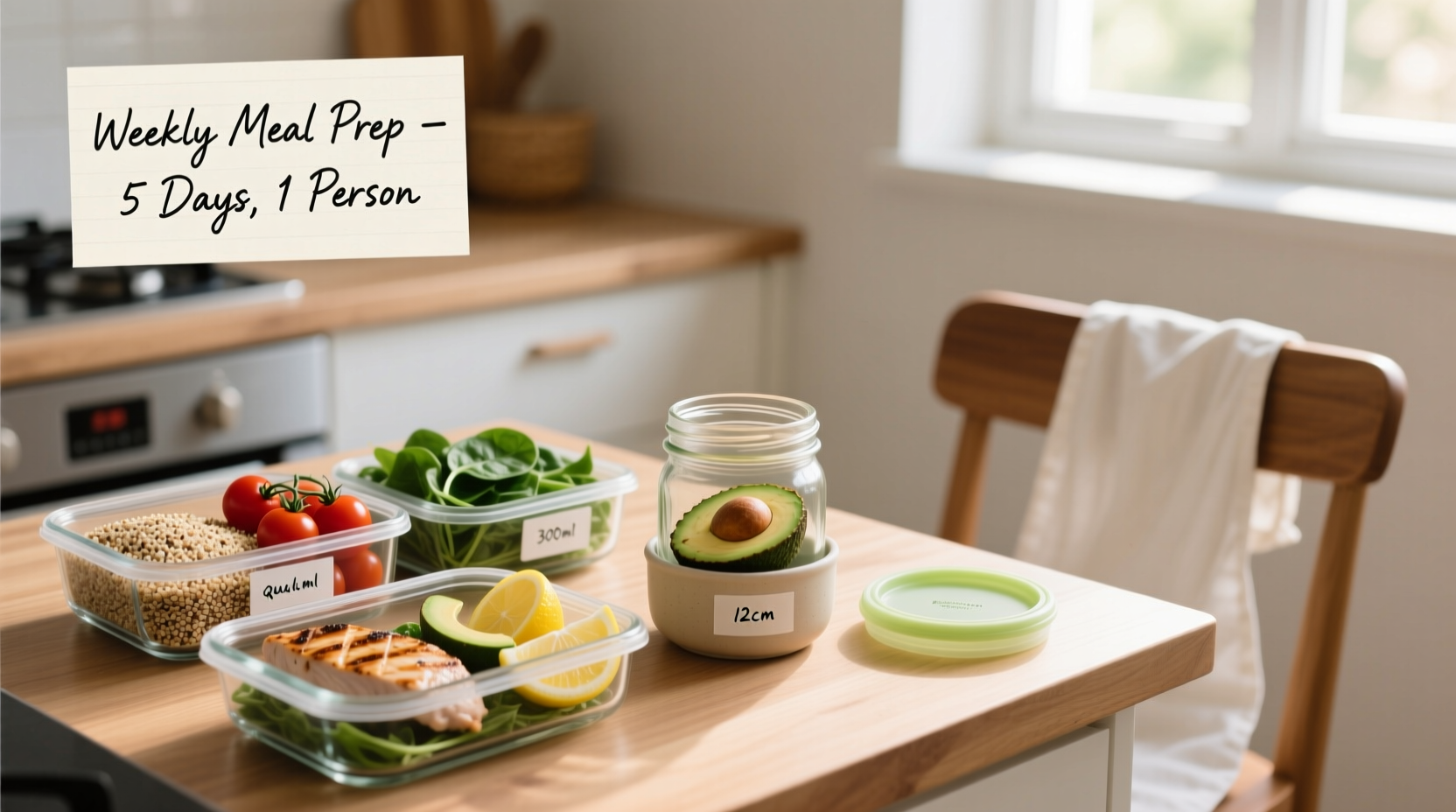
Most meal prep advice assumes you're feeding at least two people, leading to oversized batches that don't scale down easily. Cooking four portions when you only need one or two means eating the same dish for days on end—or worse, throwing food away. According to the USDA, the average American household wastes about 30–40% of its food supply. Singles are especially vulnerable due to limited storage and lack of shared consumption.
The issue isn’t preparation itself; it’s proportion. A single person doesn’t need five chicken breasts grilled on Sunday night. But they *can* benefit from having cooked grains, roasted vegetables, and proteins ready to assemble into quick lunches or dinners during the week.
Small Batch Strategies That Work
Effective solo meal prep revolves around flexibility and modular design. Think of your fridge as a toolkit, not a buffet line. Here's how to build a system that prevents waste and maximizes flavor variety.
1. Plan Weekly with Ingredient Overlap
Choose recipes that share core ingredients. If you buy a bunch of kale for a stir-fry, use some in a frittata and blend the rest into a smoothie. Planning three to four dinners per week reduces grocery load while allowing room for spontaneity.
For example:
- Protein: Cook 1 lb of ground turkey. Use half in a taco bowl Monday, the other half in a pasta sauce Wednesday.
- Vegetables: Roast one sheet pan of sweet potatoes, broccoli, and red onion. Portion into containers for grain bowls, omelets, or side dishes.
- Grains: Make 2 cups of brown rice or farro. It lasts 4–5 days refrigerated and can anchor salads, soups, or burrito bowls.
2. Embrace Freezer-Friendly Portions
The freezer is your best ally. Divide cooked meals into single-serving containers before freezing. Soups, stews, chili, and casseroles freeze exceptionally well. Label everything with date and contents.
Portion control matters: overfilling containers causes spills; underfilling wastes space. Use 16-oz (2-cup) containers—they’re standard, stackable, and ideal for individual servings.
3. Use Perishables First, Sturdy Items Later
Structure your week so delicate produce (spinach, berries, herbs) gets used early. Save heartier items (carrots, cabbage, potatoes) for later in the week. This minimizes spoilage and keeps meals fresh-tasting throughout.
“Smart meal prep isn’t about cooking everything at once—it’s about timing your efforts to match ingredient shelf life.” — Dr. Lena Torres, Nutrition Scientist & Food Waste Researcher
Practical Small Batch Recipes (Serves 1–2)
You don’t need complex recipes to eat well. These simple, scalable ideas are built for minimal cleanup and maximum reuse.
1. Miso-Glazed Salmon with Bok Choy & Rice
Marinate 4 oz salmon in 1 tbsp miso paste, ½ tsp sesame oil, and a splash of rice vinegar for 20 minutes. Pan-sear until flaky. Serve over pre-cooked rice with steamed bok choy. Leftover rice becomes fried rice the next day with egg and frozen peas.
2. Chickpea & Spinach Curry (Freezes Well)
Sauté onion and garlic, add ½ cup canned chickpeas, ¼ cup coconut milk, and spices (cumin, turmeric, chili). Simmer with a handful of spinach. Serve with rice or flatbread. Double the batch and freeze one portion for next week.
3. Breakfast Egg Muffins
Whisk 2 eggs with diced bell pepper, spinach, and feta. Pour into a greased muffin tin and bake at 350°F for 20 minutes. Store three in the fridge for weekday breakfasts, freeze the rest. Reheat in the microwave in 60 seconds.
4. Mason Jar Salad Layers
Layer dressing (balsamic vinaigrette), then cucumbers, cherry tomatoes, chickpeas, quinoa, and finally greens on top. Keeps crisp for up to 4 days. Dump into a bowl and toss when ready to eat.
Storage Guide: How Long Does Prepped Food Last?
Knowing shelf life helps avoid guesswork and food waste. Follow this reference table for common prepped items:
| Item | Fridge (Max Days) | Freezer (Max Months) | Notes |
|---|---|---|---|
| Cooked rice/grains | 4–5 | 3 | Add 1 tsp water when reheating |
| Cooked chicken/fish | 3–4 | 2–3 | Refrigerate within 2 hours of cooking |
| Cooked beans/lentils | 5–7 | 6 | Store in liquid to retain moisture |
| Chopped raw veggies (bell peppers, carrots) | 5–7 | N/A | Keep dry; use sealed container with paper towel |
| Raw leafy greens | 3–5 | No (texture degrades) | Wash, dry thoroughly, store in breathable bag |
| Homemade soups/stews | 4–5 | 3–4 | Freeze flat in zip-top bags to save space |
A Real-Life Example: Maria’s No-Waste Week
Maria, a freelance designer living in Portland, used to dread cooking for one. She’d buy a head of cauliflower for a recipe, use half, and forget the rest—until it turned black in the back of her fridge. After adopting small-batch prep, her routine changed.
On Sunday, she roasts one small sweet potato and half a head of cauliflower with olive oil and cumin. She cooks one cup of quinoa and portions it into two containers. She also makes a single serving of lentil soup and freezes the second portion.
Monday: Quinoa bowl with roasted veggies, avocado, and tahini drizzle.
Tuesday: Lentil soup defrosted and served with toast.
Wednesday: Scrambled eggs with leftover roasted cauliflower.
Thursday: Sweet potato mashed into a quesadilla with black beans and cheese.
By Friday, her fridge is nearly empty—but not because food spoiled. It’s because she used it all. She shops once a week and spends less than $50 on groceries.
Step-by-Step: Your First Week of Solo Meal Prep
Follow this timeline to launch your own no-waste system:
- Day Before Prep (Saturday): Take inventory. Check what you already have. Plan 3–4 meals using overlapping ingredients.
- Sunday (Prep Day – 60 mins):
- Wash and chop sturdy vegetables (carrots, celery, onions).
- Cook 1–2 cups of grains.
- Roast one tray of vegetables.
- Cook one protein source (chicken breast, tofu, lentils).
- Make one freezer-friendly meal (soup, curry, casserole).
- Midweek (Wednesday): Reassess. Use older produce first. Cook one fresh meal to break routine and refresh supplies.
- Friday/Saturday: Finish leftovers. Clean containers. Prepare shopping list based on what’s missing.
Common Mistakes to Avoid
Even with good intentions, pitfalls happen. Watch out for these:
- Overbuying “because it’s on sale”: Buying in bulk only saves money if you consume it. A $5 family pack of chicken isn’t a deal if half goes bad.
- Ignoring texture changes: Some foods don’t hold up. Cooked mushrooms get soggy after day two; better to sauté fresh.
- Skipping labeling: Unmarked freezer containers lead to mystery meals. Always label with name and date.
- Prepping too much too soon: Don’t cook all your meals on Sunday night. Spread tasks: cook grains Sunday, proteins Tuesday, sauces Thursday.
Frequently Asked Questions
Can I meal prep effectively without a freezer?
Yes, but you’ll need to shop more frequently—ideally twice a week. Focus on shorter-storage items like fresh fish, soft herbs, and greens. Stick to 2–3 prepped meals per cycle and prioritize dishes that last 3–4 days.
How do I keep meals from getting boring?
Variety comes from sauces and seasonings, not entirely new ingredients. Keep a rotation of condiments: pesto, salsa, hummus, hot sauce, yogurt-based dressings. Toss the same roasted chicken and sweet potato with different sauces each time.
What containers work best for one?
Opt for 16-oz glass or BPA-free plastic containers with tight lids. They’re stackable, microwave-safe, and portion-controlled. For salads, wide-mouth mason jars (16 oz) are ideal. Avoid oversized takeout-style tubs—they encourage overfilling and poor visibility.
Final Checklist: Your Solo Meal Prep Starter Kit
Before your next grocery trip or prep session, run through this checklist:
- ☐ Inventory current fridge/freezer contents
- ☐ Choose 3–4 meals with shared ingredients
- ☐ Buy only what you need (use a list!)
- ☐ Prep components, not just full meals
- ☐ Label all containers with name and date
- ☐ Freeze extras immediately
- ☐ Schedule midweek check-in to reassess
- ☐ Clean and return containers after use
Start Small, Eat Well, Waste Less
Meal prepping for one doesn’t require perfection. It requires intention. You don’t need to cook seven identical lunches every Sunday. You just need a few smart building blocks ready to turn dinner into a five-minute assembly job instead of a stressful scramble.
Every small step counts: roasting one extra sweet potato, freezing half a soup batch, repurposing leftovers creatively. Over time, these habits save money, reduce stress, and cut down on food waste—one sensible portion at a time.




 浙公网安备
33010002000092号
浙公网安备
33010002000092号 浙B2-20120091-4
Comments
No comments yet. Why don't you start the discussion?