
Meal prepping is one of the most effective ways to take control of your nutrition, save money, and reclaim time during busy weekdays. Yet many people avoid it, assuming it requires hours of cooking or advanced culinary skills. The truth? With a strategic approach, you can prepare healthy, delicious meals for the entire week in just two hours. This guide breaks down exactly how to do it—covering efficient planning, time-saving techniques, simple yet satisfying recipes, and the best containers to keep food fresh and organized.
Why Two-Hour Meal Prep Works
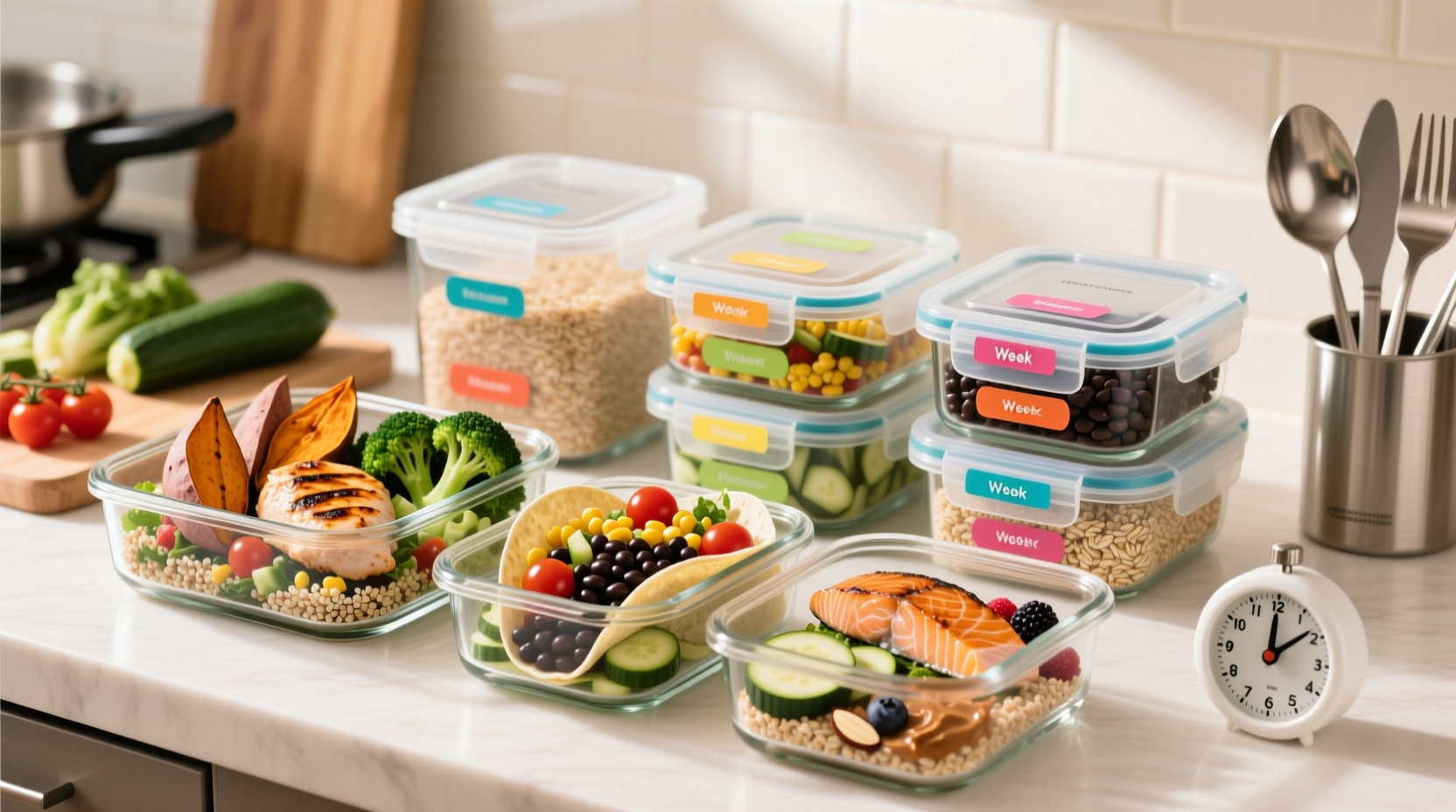
The idea of preparing seven days’ worth of food in two hours may sound ambitious, but it’s entirely achievable when you focus on efficiency. The key lies in choosing recipes that share ingredients, using multitasking cooking methods (like roasting vegetables while grains simmer), and organizing your workflow like a production line. According to registered dietitian Maria Thompson, “Efficient meal prep isn’t about cooking more—it’s about cooking smarter.” By minimizing redundancy and maximizing overlap, you turn what feels like a weekend chore into a streamlined ritual that pays dividends all week long.
A Step-by-Step Timeline for Your 2-Hour Session
To complete your weekly meal prep in exactly two hours, follow this realistic timeline. It assumes you’ve already planned your meals and shopped for ingredients. If not, set aside 20 minutes beforehand to finalize your menu and grocery list.
- Minutes 0–15: Prep & Organize
Clean your workspace, gather all tools (knives, cutting boards, pots), and wash and chop vegetables. Group similar items together—e.g., root vegetables on one tray, leafy greens in a bowl. - Minutes 16–30: Start Cooking Base Components
Begin cooking grains (rice, quinoa) and legumes (lentils, chickpeas). These take 15–20 minutes and can cook unattended. Simultaneously, preheat your oven for roasting. - Minutes 31–50: Roast Vegetables & Proteins
Toss chopped vegetables and proteins (chicken thighs, tofu, salmon) with olive oil and seasoning. Spread them on baking sheets and roast at 400°F (200°C). Roasting multiple items at once saves energy and time. - Minutes 51–75: Cook Additional Proteins or Sauces
If needed, pan-sear chicken breasts, cook ground turkey, or prepare a quick sauce (like tahini dressing or marinara). Use this time to finish any stovetop items. - Minutes 76–100: Assemble Meals
Distribute base grains, roasted items, and proteins into containers. Add cold components like salad greens, sliced avocado (add lemon juice to prevent browning), or beans. - Minutes 101–120: Label, Store, Clean Up
Label containers with dates and contents. Refrigerate or freeze appropriately. Wipe down surfaces and put away tools to end with a clean kitchen.
This sequence ensures no downtime. While food cooks, you’re either prepping the next step or assembling completed components—keeping momentum steady.
Simple, Repeatable Recipes That Maximize Flavor and Efficiency
The cornerstone of fast meal prep is using versatile, minimal-ingredient recipes that can be mixed and matched. Below are three foundational dishes that form the basis of five different meals across the week.
1. Lemon-Garlic Roasted Chicken Thighs
- Ingredients: 6 bone-in chicken thighs, 3 tbsp olive oil, 2 minced garlic cloves, zest and juice of 1 lemon, 1 tsp dried oregano, salt, pepper.
- Method: Toss everything together, roast at 400°F for 35–40 minutes until golden and cooked through. Remove bones before portioning if desired.
2. Turmeric Quinoa Pilaf
- Ingredients: 1 cup quinoa, 2 cups water, ½ tsp turmeric, 1 bay leaf, pinch of black pepper (boosts curcumin absorption).
- Method: Rinse quinoa, combine with water and spices, bring to a boil, then simmer covered for 15 minutes. Fluff and cool.
3. Balsamic Roasted Vegetables
- Ingredients: 2 bell peppers (any color), 1 zucchini, 1 red onion, 1 cup cherry tomatoes, 3 tbsp balsamic vinegar, 2 tbsp olive oil, salt, thyme.
- Method: Chop evenly, toss with oil and vinegar, roast at 400°F for 25–30 minutes, stirring once halfway.
With these three components, you can create diverse meals:
- Meal 1: Quinoa + roasted chicken + roasted veggies + feta cheese.
- Meal 2: Chopped lettuce + roasted chicken + roasted veggies + balsamic glaze.
- Meal 3: Whole wheat wrap with quinoa, roasted veggies, hummus, and spinach.
- Meal 4: Grain bowl with quinoa, roasted veggies, chickpeas, and tahini-lemon dressing.
- Meal 5: Leftover chicken shredded into soup with broth, quinoa, and frozen greens.
Choosing the Right Containers for Freshness and Convenience
Even the best-prepped meals go to waste if stored improperly. The right containers preserve flavor, prevent leaks, and make reheating effortless. Here’s a breakdown of what works best based on food type and storage needs.
| Container Type | Best For | Key Features | Avoid For |
|---|---|---|---|
| Glass Meal Prep Boxes (with dividers) | Bowls with separate compartments (grains, protein, veggies) | Microwave-safe, leak-proof, durable, non-porous | Freezing (glass can crack) |
| BPA-Free Plastic Containers | Lunches, grab-and-go meals | Lightweight, stackable, freezer-safe options available | Fatty or acidic foods (can absorb odors over time) |
| Silicone Food Bags | Snacks, sauces, marinated proteins | Reusable, flexible, dishwasher-safe | Long-term storage without refrigeration |
| Mason Jars | Salads, soups, overnight oats | Airtight seal, transparent, multipurpose | Hot liquids unless tempered |
| Insulated Thermal Containers | Meals eaten warm without reheating | Keeps food hot for 5+ hours | Refrigerated meals |
“Investing in high-quality, reusable containers reduces food waste and supports sustainable habits. Glass is ideal for reheating, while silicone bags replace single-use plastics.” — Dr. Lena Patel, Sustainable Nutrition Researcher
Checklist: How to Prepare for a Successful 2-Hour Meal Prep
Follow this checklist the night before or morning of your session to ensure a smooth process:
- ☐ Finalize your weekly menu (5–6 meals max to avoid overload)
- ☐ Take inventory of pantry staples (oil, spices, grains)
- ☐ Shop for fresh ingredients (prioritize seasonal produce for cost and flavor)
- ☐ Clean and clear kitchen counters and sink
- ☐ Wash and dry all containers you plan to use
- ☐ Charge your phone or tablet if using a recipe app
- ☐ Fill a pitcher of water to stay hydrated during prep
- ☐ Set a timer for each phase to maintain pace
Real Example: How Sarah Preps for Her Workweek
Sarah, a project manager with back-to-back meetings, used to rely on delivery apps during the week. After committing to meal prep, she now spends Saturday mornings efficiently preparing her meals. She starts by reviewing her calendar—if she has early meetings, she opts for portable mason jar salads. For late nights at the office, she preps hearty grain bowls.
Last weekend, Sarah roasted sweet potatoes and broccoli, cooked a large batch of lentils, grilled lemon-herb chicken, and made a big pot of brown rice. In under two hours, she assembled eight meals: four grain bowls, three salad jars, and one container of soup. By Sunday evening, she had dinner ready and lunches packed. “I saved over $70 compared to my usual takeout,” she said. “And I actually had more energy because I wasn’t eating greasy food every day.”
Common Mistakes to Avoid
Even experienced preppers can fall into traps that waste time or spoil food. Be mindful of these pitfalls:
- Overcomplicating recipes: Stick to 5–7 ingredient meals. More steps mean more cleanup and longer cook times.
- Not cooling food before sealing: Trapped heat creates condensation, leading to soggy meals and faster spoilage.
- Ignoring portion sizes: Use measuring cups or a kitchen scale initially to avoid overfilling containers.
- Prepping too much: Most cooked meals last 4–5 days in the fridge. Freeze extras if prepping further ahead.
- Using mismatched containers: Non-stackable or ill-fitting lids make storage chaotic and inefficient.
FAQ: Common Questions About Fast Meal Prep
Can I meal prep if I don’t like leftovers?
Absolutely. The key is variety. Use the same base ingredients in different combinations—turn roasted chicken into tacos one day and stir-fry the next. Adding fresh herbs or sauces at reheating refreshes flavors significantly.
Are frozen vegetables okay for meal prep?
Yes, especially for soups, stews, and stir-fries. Flash-frozen veggies retain nutrients and eliminate chopping time. Just avoid freezing raw salads or dishes with high moisture content, as texture suffers upon thawing.
How do I keep food from getting bland?
Layer flavors strategically. Add dressings or sauces separately in small containers. Finish meals with fresh lemon juice, hot sauce, or grated cheese just before eating. Acid and crunch revive reheated food instantly.
Final Thoughts: Make Meal Prep Work for You
Meal prepping doesn’t have to be rigid or time-consuming. The goal isn’t perfection—it’s progress. Whether you’re feeding yourself or a family, dedicating two hours a week can transform your relationship with food. You’ll eat better, stress less, and gain hours during the workweek. Start small: prep just three lunches and two dinners. Refine your system over time. Choose recipes you genuinely enjoy, invest in reliable containers, and celebrate the small wins—like opening your fridge to find everything ready to go.




 浙公网安备
33010002000092号
浙公网安备
33010002000092号 浙B2-20120091-4
Comments
No comments yet. Why don't you start the discussion?