
Meal prepping is one of the most effective tools for sustainable weight loss. It reduces decision fatigue, limits impulsive eating, and ensures you're consistently consuming nutrient-dense, portion-controlled meals. But even the best intentions can falter when your fridge holds five identical containers of grilled chicken and steamed broccoli. The real challenge isn’t starting a meal prep routine—it’s sticking with it long enough to see results. Boredom kills consistency.
The good news: you don’t have to sacrifice flavor or variety to stay on track. With thoughtful planning, strategic ingredient layering, and an understanding of taste psychology, you can build a meal prep system that supports fat loss while keeping your palate engaged week after week.
Why Food Fatigue Derails Weight Loss Efforts
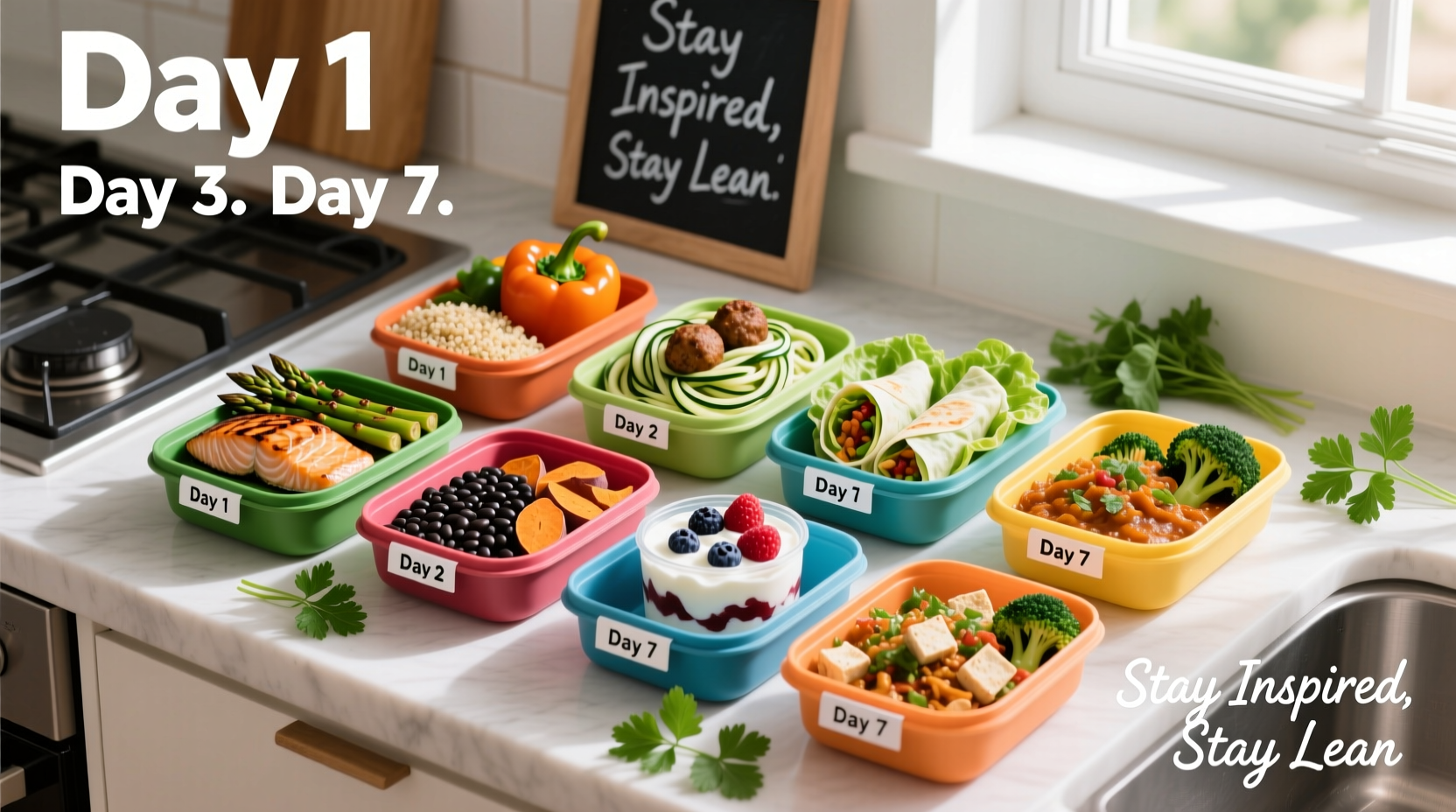
Monotony in diet is a silent saboteur. Research from Cornell University shows that people eat less over time when their meals lack variety—a phenomenon known as \"sensory-specific satiety.\" While this might sound helpful for calorie control, it often backfires. When food becomes predictable and unexciting, motivation drops. You start skipping meals, grabbing convenience foods, or abandoning the plan altogether.
This is especially true with traditional meal prep approaches that emphasize repetition for simplicity. Eating the same dish daily may streamline cooking, but it ignores a fundamental truth: humans are wired to crave novelty. The key isn't to eliminate meal prep—it's to evolve it into a dynamic, flexible system that prevents burnout.
“Variety doesn’t undermine discipline—it sustains it. People who rotate proteins, spices, and textures in their meal prep are 68% more likely to stick with healthy eating long-term.” — Dr. Lena Torres, Behavioral Nutritionist at Johns Hopkins Center for Dietary Adherence
Build a Flavor-Focused Meal Prep Framework
Instead of planning meals around calories alone, design them around flavor profiles. This shifts your mindset from restriction to exploration. Each week, choose 3–4 global taste themes—such as Mediterranean, Thai, Mexican, or Moroccan—and build meals within those culinary lanes. This creates structure without rigidity.
For example:
- Mediterranean Monday: Lemon-herb chicken, roasted eggplant, quinoa, tzatziki drizzle
- Thai-Inspired Tuesday: Coconut curry tofu, jasmine rice, stir-fried bok choy, lime wedge
- Mexican Wednesday: Chipotle turkey bowls, black beans, corn, avocado, cilantro-lime crema
Using this approach, ingredients can overlap (like brown rice or grilled chicken), but the final dishes feel distinct because sauces, seasonings, and garnishes change dramatically.
Create a Rotating Ingredient System
Smart meal preppers don’t cook five different full meals. They prep modular components that mix and match throughout the week. This cuts cooking time while maximizing variety.
Here’s how to set up a rotating component system:
- Cook 2–3 proteins: Choose one lean animal protein (chicken breast, turkey, fish) and one plant-based option (lentils, chickpeas, tempeh).
- Prepare 2 grains or starches: Brown rice and sweet potato, or quinoa and whole wheat couscous.
- Rote 3–4 vegetables: Roast hearty veggies (brussels sprouts, carrots), sauté greens (kale, spinach), and keep raw options (cucumber, bell peppers) fresh.
- Make 2 sauces or dressings: One creamy (Greek yogurt-based ranch), one bold (chimichurri or peanut sauce).
Each day, assemble a bowl using one item from each category. Rotate combinations so no two days are identical. For instance:
| Day | Protein | Grain | Veggies | Sauce |
|---|---|---|---|---|
| Monday | Grilled chicken | Quinoa | Roasted zucchini & cherry tomatoes | Pesto |
| Tuesday | Chickpeas | Brown rice | Steamed broccoli & shredded carrots | Tahini dressing |
| Wednesday | Salmon | Farro | Kale & roasted red peppers | Lemon-dill yogurt |
| Thursday | Turkey crumbles | Couscous | Green beans & onions | Tomato-basil sauce |
This method reduces cooking labor by 40–60%, according to a 2022 study published in Appetite, while increasing perceived dietary satisfaction.
Case Study: From Burnout to Breakthrough
Jamal, a 38-year-old software engineer, started meal prepping to lose 25 pounds. His first attempt lasted nine days. He made six servings of baked chicken, broccoli, and white rice every Sunday. By Wednesday, he was ordering takeout. “It felt like punishment,” he said.
After switching to a modular prep system with rotating flavors, his habits changed. He began cooking double batches of proteins seasoned differently—one with smoked paprika for taco bowls, another with garlic-herb rub for grain salads. He added pickled red onions and fresh herbs as finishing touches. Within three weeks, he wasn’t just sticking to his plan—he looked forward to lunch.
Over six months, Jamal lost 28 pounds and maintained the loss. “The turning point wasn’t willpower,” he shared. “It was realizing I could eat well *and* enjoy my food.”
Practical Step-by-Step Weekly Plan
Follow this timeline to implement a boredom-proof meal prep routine:
- Sunday (2 hours):
- Select 3 flavor themes for the week.
- Roast 2 trays of mixed vegetables.
- Cook 2 grains (e.g., quinoa and brown rice).
- Prepare 2 proteins using different marinades or spice blends.
- Whip up 2 sauces or dressings in small mason jars.
- Wednesday (45 minutes):
- Refresh grain supplies if needed.
- Add a new protein variation (e.g., shred leftover chicken into enchilada-style filling).
- Prep raw veggie sticks for crunch.
- Daily (5 minutes):
- Assemble one bowl using a new combination.
- Garnish with fresh herbs, seeds, or citrus.
This staggered approach prevents weekend overload and keeps meals feeling current. Midweek refreshes introduce surprise and prevent staleness—both literal and psychological.
Common Mistakes That Lead to Boredom
Avoid these pitfalls to maintain excitement and adherence:
| Mistake | Why It Fails | Better Approach |
|---|---|---|
| Same meal all week | Triggers sensory fatigue and mental resistance | Use interchangeable components with varied sauces |
| No textural contrast | Soft-on-soft meals feel dull (e.g., mushy rice + overcooked veggies) | Add crunch: toasted nuts, seeds, raw veggies, crispy chickpeas |
| Underseasoned food | Leaves meals tasting flat and restrictive | Layer flavors: acid (lemon), heat (chili flakes), umami (soy, mushrooms) |
| Ignoring fresh elements | Everything tastes cooked and stale | Add herbs, citrus zest, or quick-pickled veggies before serving |
Essential Checklist for Boredom-Free Meal Prep
- ☑ Choose 3 flavor themes (e.g., Greek, Indian, Southwest)
- ☑ Prep at least 2 proteins with different seasonings
- ☑ Include 1 crunchy element (nuts, seeds, jicama)
- ☑ Make 2 sauces or dressings (one creamy, one tangy)
- ☑ Add fresh garnishes (cilantro, green onions, lemon wedges)
- ☑ Refresh midweek with one new component
Frequently Asked Questions
Can I still lose weight if my meals are flavorful and varied?
Absolutely. Flavor doesn’t equal calories. You can create bold, exciting meals within a calorie deficit using spices, acids, herbs, and low-calorie flavor boosters like mustard, hot sauce, and vinegar. The key is controlling portions of high-energy ingredients like oils, cheese, and nuts—not eliminating taste.
How do I store meals so they don’t taste stale?
Store components separately whenever possible. Combine grains, proteins, and veggies only the night before or morning of eating. Sauces should be added fresh. Use glass containers with tight seals, and reheat grains with a splash of water to restore moisture. Avoid freezing delicate greens or creamy sauces unless necessary.
What if I don’t have time to cook twice a week?
Focus on versatility. Roast a large tray of vegetables that work in salads, bowls, and scrambles. Cook a big batch of seasoned ground turkey that can become tacos, pasta sauce, or stuffed peppers. One multitasking dish can serve multiple roles across the week, reducing active cooking time while maintaining diversity.
Stay Consistent by Staying Curious
The secret to lasting weight loss isn’t perfection—it’s persistence. And persistence grows from enjoyment, not endurance. When meal prep feels like a creative act rather than a chore, you’re no longer counting down the days until you “get back to normal eating.” You’ve already found a way of eating worth staying with.
Start small. Pick one new spice blend this week. Try a grain you’ve never used. Mix black beans into a salad with mango and lime. Small changes compound into big shifts—not just in your weight, but in your relationship with food.




 浙公网安备
33010002000092号
浙公网安备
33010002000092号 浙B2-20120091-4
Comments
No comments yet. Why don't you start the discussion?