
A well-fitted pet vest is essential for both comfort and safety, whether you're hiking with your dog, walking through busy city streets, or preparing for cold weather. Unlike collars, which place pressure on the neck, vests distribute force across the chest and torso, reducing strain and improving control. But a poorly fitted vest can lead to chafing, restricted movement, or even escape risks. The key lies in accurate measurement and thoughtful adjustment. This guide provides a comprehensive approach to ensuring your pet’s vest fits perfectly—right from the first wear.
Why Proper Vest Fit Matters
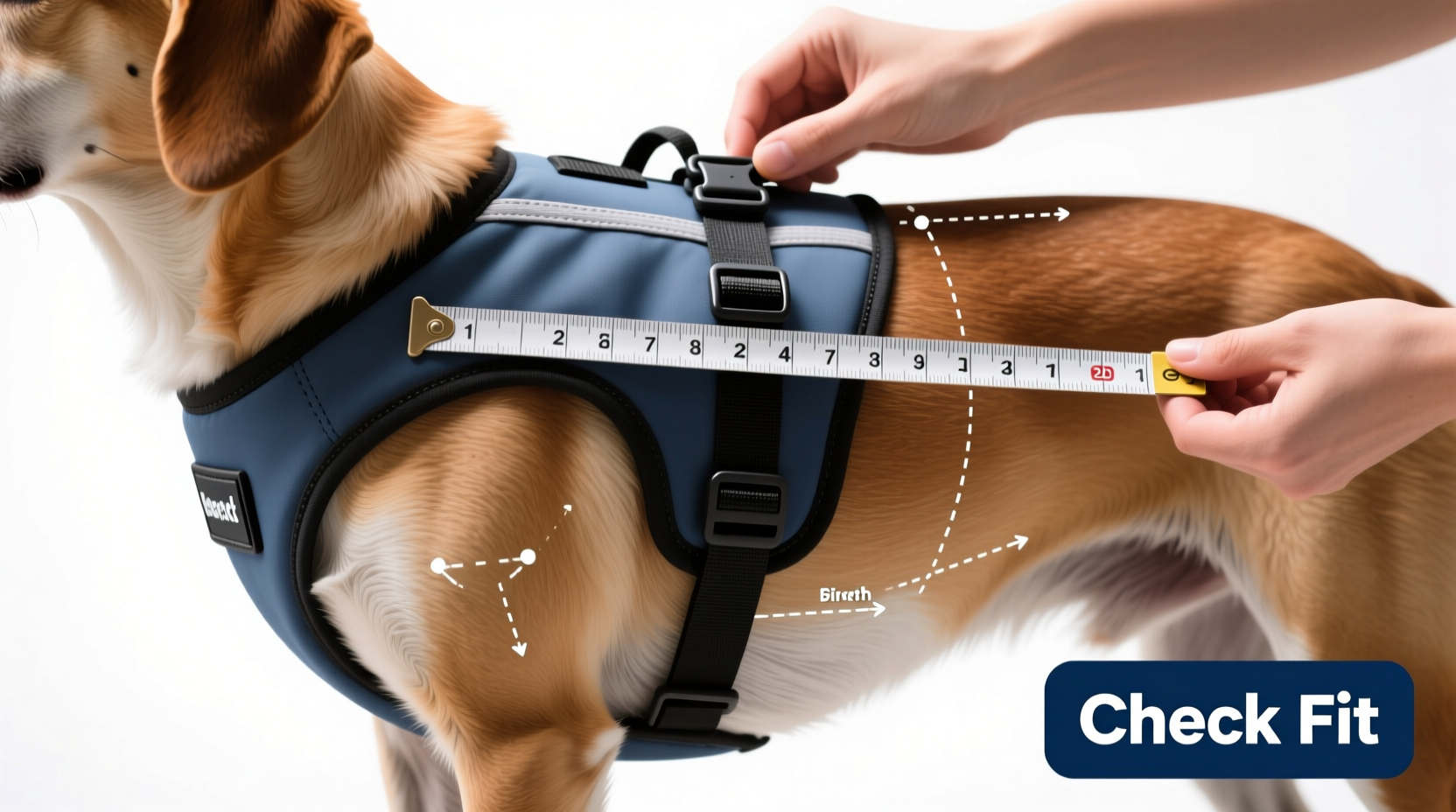
A correctly sized and adjusted vest supports your pet's natural movement while offering security and comfort. A loose vest may allow your dog to wriggle free, especially during sudden movements, while an overly tight one can restrict breathing, cause skin irritation, or limit shoulder motion. Veterinarians and animal behaviorists emphasize that improper harness fit is a common contributor to posture issues and reluctance to walk.
“Just like shoes for humans, a harness must accommodate the animal’s anatomy without constriction. A proper fit prevents long-term musculoskeletal strain.” — Dr. Lena Torres, Veterinary Rehabilitation Specialist
Beyond health, a secure fit enhances training effectiveness. When a vest sits correctly, cues are communicated more clearly through the leash, making walks calmer and more responsive.
Step-by-Step: How to Measure Your Pet Accurately
Before purchasing or adjusting a vest, precise measurements are critical. Most manufacturers provide size charts based on girth (chest circumference), but relying solely on weight or breed can lead to errors—especially for mixed breeds or uniquely shaped dogs.
- Use a soft measuring tape: A flexible cloth or plastic tape works best. Metal tapes are too rigid and may give inaccurate results.
- Measure the girth: Wrap the tape around the widest part of your pet’s chest, just behind the front legs. This is typically where the vest will sit snugly. Ensure the tape is level and not twisted.
- Check at full exhalation: Take the measurement when your pet is standing naturally and has just exhaled. Avoid measuring during deep inhalation, as this can add up to an inch or more.
- Add one inch for comfort: Most experts recommend adding 1–2 inches to the actual girth measurement to allow room for movement and layering (e.g., under winter coats).
- Record neck and length if required: Some vests require neck circumference or back length from base of neck to tail. Measure these only if specified by the manufacturer.
Adjusting the Vest: A Practical Guide
Once you have the right size, proper adjustment ensures optimal performance. Follow these steps every time you put the vest on your pet, especially if it hasn’t been worn in a while.
1. Position the Vest Correctly
Slide the vest over your pet’s head (if designed that way) or open it fully and place it under their chest. Align the label or handle (if present) along the spine, centered between the shoulders. Misalignment can cause rubbing or uneven pressure.
2. Fasten All Straps Securely
Begin with the belly strap, then fasten the chest and shoulder straps. Ensure all buckles click firmly. Velcro closures should be pressed down completely to avoid gradual loosening during activity.
3. Perform the Two-Finger Test
After securing the vest, slide two fingers under each strap—around the chest, belly, and neck opening. You should be able to move your fingers freely but not fit a third finger. If you can’t fit two fingers, the vest is too tight; if three or more fit easily, it’s too loose.
4. Check for Mobility
Observe your pet walking, sitting, and turning. The vest should remain in place without shifting or riding up. Watch for signs of restriction—such as bunny-hopping gait, lowered head carriage, or reluctance to move—which may indicate poor fit.
5. Inspect Contact Points
Feel along the inner lining where the vest touches the body. There should be no pinching, folding, or excessive pressure on bony areas like the armpits or sternum. Padding should lie flat against the torso.
Common Fit Issues and How to Fix Them
Even with correct sizing, problems can arise due to design differences or changes in your pet’s body. Use the table below to diagnose and resolve common issues:
| Issue | Possible Cause | Solution |
|---|---|---|
| Vest rides up the back | Too loose around chest or belly strap too short | Tighten chest strap; lengthen belly strap slightly |
| Straps dig into armpits | Size too small or straps improperly adjusted | Loosen shoulder straps; consider wider-padded model |
| Dog slips out of vest | Neck opening too large or poor chest girth fit | Ensure neck allows only two fingers; re-measure girth |
| Vest shifts sideways | Asymmetrical adjustment or off-center handle | Realign center point; balance left/right strap tension |
| Red marks on skin after removal | Over-tightening or friction from seams | Loosen straps; check for internal stitching irritation |
Real-World Example: Fitting a Deep-Chested Breed
Max, a two-year-old Boxer, kept slipping out of standard harnesses despite being within size guidelines. His owner measured his neck and weight but overlooked his deep chest and broad shoulders. After switching to a step-in vest designed for athletic builds and remeasuring his girth at the deepest part of his ribcage, the new vest stayed securely in place. By adjusting the belly strap to allow full lung expansion and ensuring the handle sat centered, Max began walking more confidently—without pulling or discomfort.
This case illustrates that breed-specific conformation matters. Brachycephalic breeds like Bulldogs often need wider neck openings, while sighthounds benefit from extra padding due to low body fat.
Checklist: Ensuring a Perfect Vest Fit
- ✅ Measured girth behind the front legs using a soft tape
- ✅ Added 1–2 inches to measurement for comfort
- ✅ Aligned vest handle or label along the spine
- ✅ Fastened all clips and secured Velcro fully
- ✅ Passed the two-finger test on all straps
- ✅ Observed pet moving naturally (walking, turning, sitting)
- ✅ Checked for redness or irritation after 10–15 minutes of wear
- ✅ Reassessed fit monthly, especially in growing puppies or pets with weight changes
Frequently Asked Questions
How often should I check my pet’s vest fit?
Inspect the fit at least once a month. Puppies grow rapidly and may need new vests every few months. Adult pets can gain or lose weight due to diet, age, or health conditions, so regular checks ensure ongoing comfort and safety.
Can I use the same vest for winter and summer?
Yes, but adjustments may be needed. In winter, if your pet wears a coat underneath, measure with the clothing on or choose an adjustable vest with extra slack. Summer-only use may allow tighter settings, but always maintain the two-finger clearance.
What if my pet has a unique body shape?
Consider custom-fit or modular vests. Brands specializing in working dogs or agility sports often offer more adjustability. Look for multiple strap points, padded panels, and stretch zones tailored to irregular proportions.
Final Thoughts
A properly measured and adjusted pet vest does more than keep your companion secure—it enhances their physical well-being and strengthens your bond through safer, more enjoyable outings. Taking the time to measure accurately and fine-tune the fit demonstrates care that goes beyond basic ownership. Whether you're navigating urban sidewalks or exploring mountain trails, a well-fitted vest empowers your pet to move freely and confidently.




 浙公网安备
33010002000092号
浙公网安备
33010002000092号 浙B2-20120091-4
Comments
No comments yet. Why don't you start the discussion?