
Dog coats aren’t just about style—they’re essential for keeping your pet warm, dry, and protected during colder months. But no matter how high-quality or weather-resistant a coat is, it won’t do its job if it doesn’t fit properly. A poorly fitting coat can restrict movement, cause chafing, or fail to cover key areas like the back and chest. The key to finding the perfect fit? Accurate measurements. Unlike humans, dogs come in vastly different shapes—think deep-chested Boxers, long-bodied Dachshunds, or compact Pugs—so relying on breed averages or guesswork leads to frustration and returns. This guide walks you through every step of measuring your dog correctly, so you can choose a coat that fits like it was made just for them.
Why Proper Measurement Matters
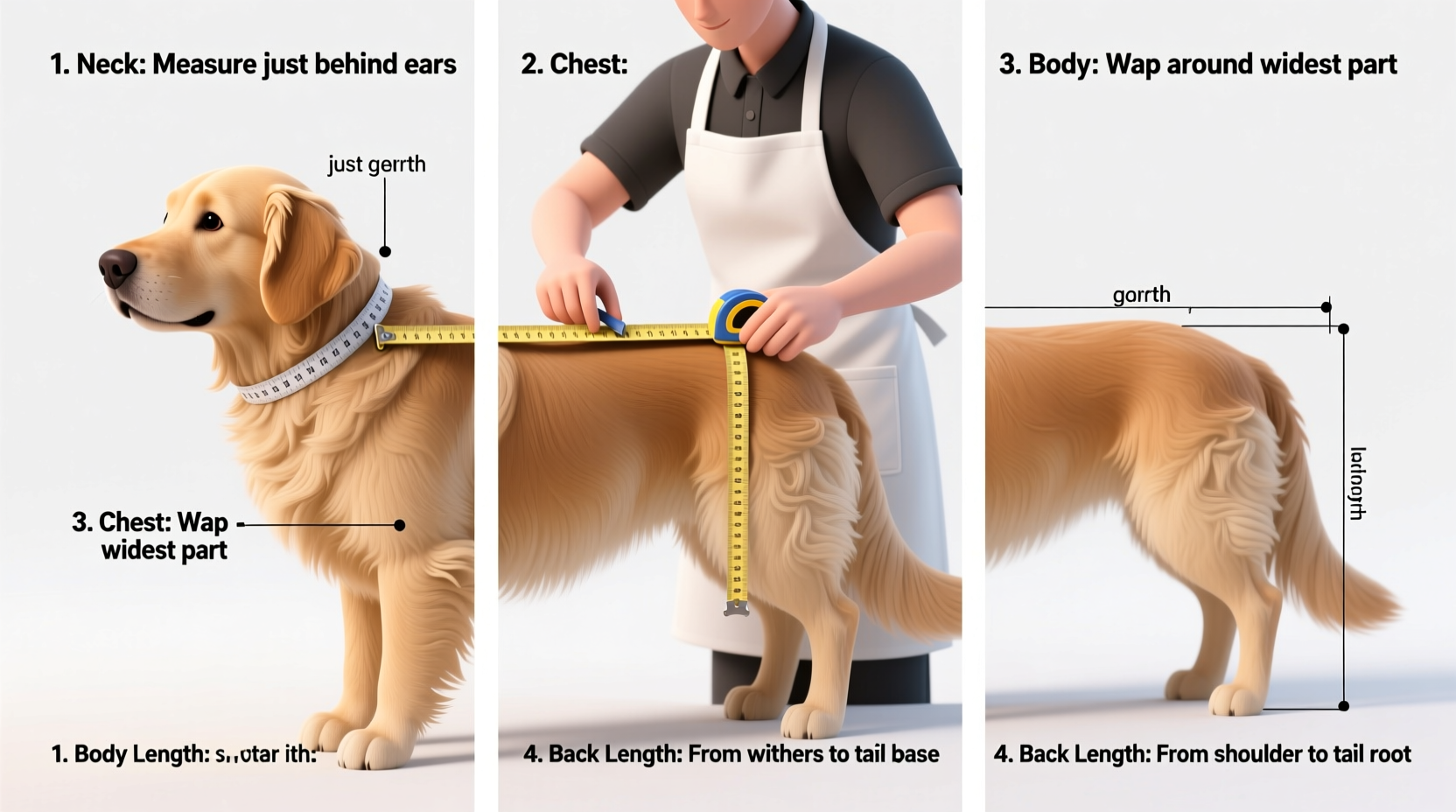
A well-fitted dog coat should allow full range of motion without gaps at the neck or hips. It should cover from the base of the neck to the base of the tail, sit snugly but not tightly, and avoid rubbing under the arms or around the belly. An ill-fitting coat can lead to discomfort, skin irritation, or even behavioral issues if your dog resists wearing it. More importantly, gaps in coverage reduce insulation and expose your dog to wind and moisture, defeating the purpose of the garment.
Manufacturers provide size charts, but these vary widely between brands. One brand’s “medium” might be another’s “large.” Without precise measurements, you’re left to chance. Taking the time to measure ensures consistency across purchases and eliminates the hassle of trial-and-error ordering.
“Accurate measurement is the foundation of functional pet apparel. A coat that fits well supports mobility and comfort, especially in senior dogs or those with joint issues.” — Dr. Lena Torres, Veterinary Rehabilitation Specialist
Step-by-Step Guide to Measuring Your Dog
Measuring your dog doesn’t require special tools—just a soft measuring tape (like a tailor’s tape), a helper (optional but helpful), and a calm dog. Follow these steps in order for the most accurate results.
- Prepare Your Dog: Choose a quiet time when your dog is relaxed. Have treats ready to reward cooperation. If your dog is wiggly, enlist a second person to gently hold them in a natural standing position.
- Measure the Back Length: Place one end of the tape at the base of the neck, where the collar sits. Run the tape along the spine to the base of the tail, where the tail meets the body. Keep the tape flat against the back—not too tight, not sagging. This is the most critical measurement for coat length.
- Measure the Chest Girth: Wrap the tape around the widest part of the chest, just behind the front legs. This is typically the largest part of your dog’s torso. Ensure the tape is snug but not compressing the fur or skin. Breathe normally—if your dog inhales deeply, wait until they exhale to take the reading.
- Measure the Neck Circumference: Measure where the collar normally rests. This helps determine whether the coat’s neck opening will be too tight or too loose.
- Check Shoulder Height (Optional): From the ground to the top of the shoulder blades (withers). Some technical or insulated coats use this for cut accuracy, especially for taller breeds.
Common Measurement Mistakes to Avoid
Even small errors can lead to a poor fit. Here are the most frequent pitfalls and how to avoid them:
- Using a rigid ruler instead of a flexible tape: Rigid tools can’t follow the curve of the body, leading to inaccurate girth readings.
- Measuring while the dog is sitting or lying down: Posture changes body dimensions. Always measure while standing naturally.
- Guessing based on weight or breed: Two 50-pound dogs can have vastly different builds—one stocky, one lean. Weight alone is not a reliable sizing indicator.
- Ignoring seasonal coat thickness: Dogs with double coats (like Huskies or Golden Retrievers) may need slightly looser fits in winter when their fur is fullest.
Dog Coat Sizing Comparison Table
The table below shows general size ranges based on common breed types. Use this as a reference, but always rely on your actual measurements for accuracy.
| Size | Back Length (inches) | Chest Girth (inches) | Neck (inches) | Typical Breeds |
|---|---|---|---|---|
| XXS | 8–10 | 12–16 | 10–12 | Chihuahua, Yorkie, Pomeranian |
| XS | 10–13 | 16–20 | 12–14 | Shih Tzu, Pug, Cavalier King Charles |
| S | 13–17 | 20–26 | 14–16 | Beagle, Cocker Spaniel, French Bulldog |
| M | 17–21 | 26–32 | 16–18 | Border Collie, Brittany, Springer Spaniel |
| L | 21–25 | 32–38 | 18–20 | Labrador, German Shepherd, Australian Shepherd |
| XL | 25–29 | 38–44 | 20–22 | Golden Retriever, Bernese Mountain Dog, Great Dane (smaller individuals) |
Real Example: Measuring Bella the Border Collie
Bella, a 45-pound Border Collie, had been wearing a medium coat from Brand A for two winters. Her owner noticed she often twisted out of it during walks and seemed reluctant to go outside. When measured properly, Bella’s back length was 19 inches and her chest girth was 30 inches—solidly in the medium range. However, Brand B’s medium started at 18 inches in length but required a minimum chest of 31 inches. Bella fell short by one inch in chest capacity according to their chart. Switching to Brand C, which offered a “long medium” with a 19-inch back and up to 32-inch chest, solved the issue. The new coat stayed securely in place, covered her entire back, and allowed full shoulder movement. Bella now wears it willingly and stays warm even in wet conditions.
This case illustrates why cross-referencing your exact numbers with each brand’s specific chart is crucial—even within the same size label.
Checklist: How to Measure Your Dog for a Coat
- ✅ Use a soft, flexible measuring tape
- ✅ Measure your dog while standing naturally
- ✅ Measure back length from base of neck to base of tail
- ✅ Measure chest girth behind front legs at widest point
- ✅ Measure neck circumference at collar line
- ✅ Record all three numbers clearly
- ✅ Compare measurements to the specific brand’s size chart
- ✅ Consider fur thickness and layering needs
- ✅ Re-measure every 6–12 months or after major weight changes
Frequently Asked Questions
What if my dog falls between two sizes?
If your dog is between sizes, prioritize chest girth. A coat can be slightly longer but should never be too tight around the chest. If possible, size up and use adjustable straps or belly bands to secure excess fabric. For dogs with deep chests, always opt for the larger size in girth, even if the back length seems slightly long.
Do I need to measure every time I buy a new coat?
Yes. Different brands—and even different styles from the same brand—have unique cuts and sizing. A jacket, raincoat, and padded vest from the same company may fit differently. Always consult the size chart and verify with current measurements.
My dog has an unusual body shape. Can I still find a good fit?
Absolutely. Many specialty brands cater to non-standard builds—dachshund-length bodies, barrel-chested bulldogs, or tall, slender greyhounds. Look for brands offering extended size ranges, adjustable straps, or custom-fit options. Some companies even let you input exact measurements for tailored recommendations.
Final Tips for Long-Term Success
Once you’ve measured your dog, keep the numbers recorded in your phone or a pet care notebook. Include the date of measurement, as dogs can gain or lose weight over time. Re-measure before each cold season, especially for puppies, seniors, or dogs on a fitness plan.
When shopping online, zoom in on product photos to see where seams and closures are placed. Check customer reviews for comments like “runs small” or “extra room in chest.” These insights often reveal what size charts don’t.
Take Action Today
Your dog deserves a coat that fits perfectly—because comfort leads to confidence, and confidence makes every walk more enjoyable. Whether you're braving icy sidewalks or drizzly park trails, a well-fitted coat keeps your companion warm, dry, and eager to explore. Grab your measuring tape, take a few minutes to get the numbers right, and say goodbye to ill-fitting gear for good. Share your success story or tips in the comments—your experience could help another pet parent get the fit just right.




 浙公网安备
33010002000092号
浙公网安备
33010002000092号 浙B2-20120091-4
Comments
No comments yet. Why don't you start the discussion?