
Metallic accessories have the power to elevate even the simplest outfit. A well-placed bracelet, a statement watch, or delicate layered necklaces can add dimension, shine, and personality to your look. But when multiple metals enter the picture—gold, silver, rose gold, platinum—the risk of appearing overdone increases. The key isn’t avoiding variety; it’s mastering harmony. With thoughtful coordination, mixing metals can project confidence, sophistication, and modern style—not chaos.
The outdated rule that you must stick to one metal tone is long gone. Today’s fashion embraces eclecticism, personal expression, and intentional layering. However, freedom doesn’t mean randomness. Just as an artist blends colors on a palette, you can blend metals in your ensemble—if you understand balance, tone, and context.
Understand Metal Tones and Their Undertones
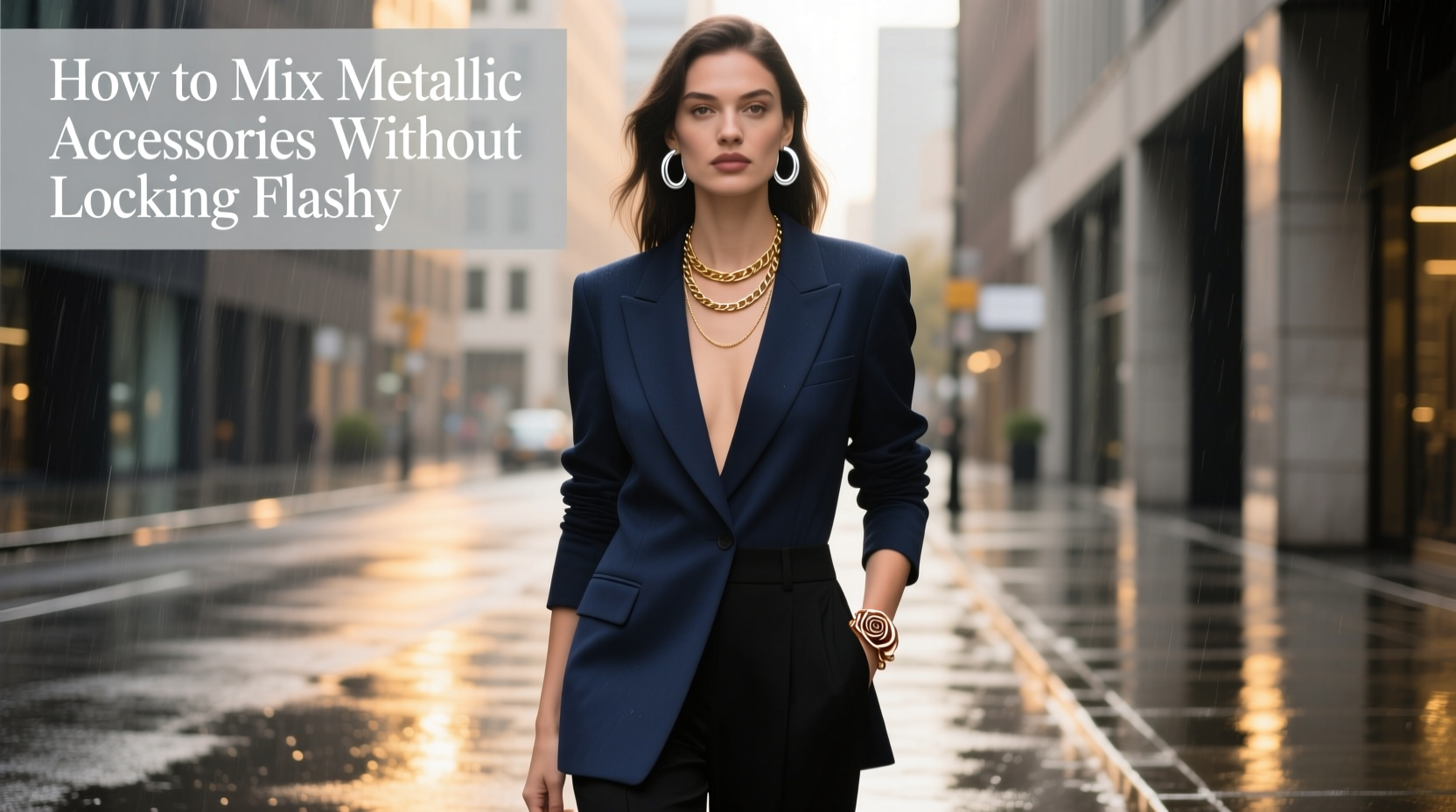
Before combining metals, recognize that not all golds are the same, nor are all silvers. Each has subtle undertones that affect how they interact:
- Yellow Gold: Warm undertone with rich, traditional elegance. Pairs naturally with warm skin tones and earthy colors.
- White Gold/Platinum: Cool undertone, often rhodium-plated for brightness. Crisp and modern, ideal with cool-toned outfits like navy, gray, or black.
- Rose Gold: Warm-pink undertone due to copper alloy. Soft and romantic, works well with blush, mauve, and soft neutrals.
- Silver: Bright and cool, slightly more casual than white gold. Can appear stark if mismatched but shines in minimalist or edgy styles.
- Gunmetal/Blackened Metals: Dark, moody finish. Adds contrast and edge, perfect for grounding lighter pieces.
The secret to seamless mixing lies in identifying these undertones and grouping metals that share similar warmth or coolness—even if they’re technically different types. For example, rose gold and yellow gold may be distinct, but their shared warmth allows them to coexist effortlessly.
Create a Focal Point to Avoid Visual Chaos
When blending metals, the biggest mistake is distributing shine equally across every accessory. Without hierarchy, the eye has nowhere to rest, resulting in a cluttered appearance. Instead, designate one standout piece as the anchor of your look.
This focal point could be a bold cuff in mixed metals, a pendant necklace with dual-tone chains, or a ring set combining gold and silver bands. Once established, let other accessories play supporting roles—more subtle, smaller, or tonally aligned.
For instance, pair a two-tone watch (gold case, silver strap) with a simple silver bangle and a thin gold chain. The watch becomes the centerpiece, while the others complement rather than compete.
“Balance is everything. One strong metallic statement gives the rest of the look permission to whisper.” — Lena Torres, Fashion Stylist & Contributing Editor at *Verve Magazine*
Follow the 60-30-10 Rule for Metallic Distribution
A proven method borrowed from interior design, the 60-30-10 principle applies beautifully to accessorizing. Allocate your metals across three tiers:
- 60% Dominant Metal: The primary tone seen most frequently—e.g., gold earrings, gold ring, gold bracelet.
- 30% Secondary Metal: A contrasting but complementary metal—such as a silver necklace or watch.
- 10% Accent Metal: A pop of something unexpected—rose gold studs or a gunmetal ring.
This ratio ensures cohesion without monotony. You maintain a clear base while introducing intrigue through contrast.
| Dominant (60%) | Secondary (30%) | Accent (10%) | Example Combination |
|---|---|---|---|
| Yellow Gold | Silver | Rose Gold | Gold hoops + silver pendant + rose gold pinky ring |
| Silver | White Gold | Gunmetal | Silver bangle + white gold engagement ring + gunmetal cuff |
| Rose Gold | Yellow Gold | Platinum | Rose gold watch + yellow gold stacking rings + platinum stud |
Stick to this structure, and your combinations will feel curated, not accidental.
Use Transitional Pieces to Bridge Gaps
Some accessories are designed specifically to blend metals. These transitional pieces act as visual mediators, smoothing the shift between warm and cool tones.
- Two-Tone Jewelry: Watches with gold cases and silver bracelets, necklaces with alternating links, or earrings that combine metals in a single design.
- Mixed-Media Chains: Necklaces that layer gold and silver strands together create instant harmony.
- Tone-Neutral Elements: Leather straps, fabric cords, or beaded sections in bracelets break up metallic intensity and allow different metals to coexist peacefully.
For example, a bracelet featuring leather woven between gold and silver beads unifies both metals by giving the eye neutral ground to rest on. It’s no longer about “gold vs. silver”—it’s about rhythm and texture.
Match Metals to Your Outfit's Mood, Not Just Color
Coordination isn’t only about matching jewelry to clothing hues—it’s about aligning with the overall mood of your look.
- A soft, romantic outfit in blush and ivory benefits from rose gold and warm yellow gold. Introducing harsh silver might disrupt the gentleness.
- An edgy, monochrome ensemble in black and gray gains depth from silver, gunmetal, and chrome accents. A touch of yellow gold can add surprise, but keep it minimal.
- A bohemian look with earth tones and textures welcomes all metals—especially oxidized silver paired with hammered gold. Here, imperfection is part of the charm.
Consider the energy of your outfit. Is it warm and inviting? Cool and sleek? Rustic and free-spirited? Let that guide your metal choices more than rigid rules.
Mini Case Study: Office-to-Evening Transition
Claire wears a tailored navy blazer with a white silk blouse and dark trousers to work. She starts with a platinum watch and silver hoop earrings—professional and polished. After work, she transitions to dinner with friends. Before leaving the office, she adds a delicate yellow gold pendant and swaps her hoops for gold huggies. She finishes with a rose gold cocktail ring.
At first glance, four metals seem excessive—but because navy is a neutral backdrop and Claire follows the 60-30-10 rule (silver dominant at 60%, gold 30%, rose gold 10%), the look feels intentional. The transition pieces (her two-tone clutch clasp and layered necklace) help bridge the shift. No one notices the mix of metals—only that she looks put-together and confident.
Step-by-Step Guide: How to Mix Metals in 5 Steps
Follow this sequence the next time you're assembling an accessorized look:
- Choose Your Base Metal: Decide which metal will dominate based on your outfit’s tone and your skin undertone. Stick to 60% of total visible metal.
- Select One Secondary Metal: Pick a complementary tone—either warmer or cooler, depending on contrast goals. Limit to 30% presence.
- Add a Transitional Piece: Use a two-tone item (watch, ring, or necklace) to visually connect the two main metals.
- Introduce Texture or Neutral Elements: Include a non-metal accessory—a leather band, fabric scarf pin, or stone accent—to break shine and add depth.
- Step Back and Assess: Look in full-length mirror under natural light. Does one piece overpower the rest? Does the combination feel cohesive? Remove one item if needed.
This process turns guesswork into strategy. Over time, you’ll develop an instinct for what works.
Checklist: Do’s and Don’ts of Mixing Metals
Keep this checklist handy when styling your accessories:
- Anchor your look with one dominant metal.
- Use transitional or two-tone pieces as bridges.
- Consider skin tone—warm tones favor golds, cool tones suit silver better.
- Balance shine with matte or textured elements.
- Limit yourself to three metal variations max.
❌ DON’T:
- Wear equal amounts of competing metals.
- Pair highly polished pieces with heavily oxidized ones unless intentional.
- Ignore lighting—some metals look great indoors but clash in sunlight.
- Forget about proportion—large chunky gold with delicate silver creates imbalance.
- Mix metals just because you can—always have a reason behind the choice.
FAQ: Common Questions About Mixing Metallic Accessories
Can I wear gold and silver together every day?
Yes, but with intention. Daily wear calls for subtlety. Try a gold watch with a single silver ring or layered necklaces where one chain is gold and the other silver. Avoid heavy, high-contrast pieces for casual settings unless your style leans maximalist.
Do skin tones really matter when choosing metals?
They do, but they’re not absolute. Warm undertones (yellow or olive) often glow against yellow or rose gold. Cool undertones (pink or blue veins) typically shine with silver or platinum. That said, confidence overrides compatibility—wear what makes you feel powerful. If you love a metal, wear it, regardless of conventional advice.
Is it okay to mix antique and modern metals?
Absolutely—and it can add character. An heirloom gold locket paired with a sleek silver bangle tells a story. Just ensure there’s a unifying element: either a shared theme (vintage), color (warm tone), or setting (both worn on left wrist). This prevents the look from feeling disjointed.
Final Thoughts: Confidence Is the Ultimate Accessory
Mixing metallic accessories isn’t about following trends—it’s about expressing individuality. The most elegant looks aren’t those with perfectly matched metals, but those where every piece feels deliberate. When you wear your accessories with purpose, people don’t see “mixed metals.” They see someone who knows who they are.
Start small. Try pairing your silver watch with a single gold ring. Then experiment with layering. Observe how different combinations make you feel. Over time, you’ll develop a personal formula—one that reflects your taste, lifestyle, and mood.




 浙公网安备
33010002000092号
浙公网安备
33010002000092号 浙B2-20120091-4
Comments
No comments yet. Why don't you start the discussion?