
Millions rely on coffee or energy drinks to power through the day, only to crash by mid-afternoon—foggy, irritable, and drained. While caffeine offers a temporary lift, it disrupts natural energy rhythms and often leads to dependency, poor sleep, and adrenal fatigue. The good news: lasting energy doesn’t come from stimulants. It comes from alignment—between your body’s biology, lifestyle choices, and environment. By making strategic adjustments in hydration, nutrition, movement, sleep, and mindset, you can maintain steady, resilient energy throughout the day—without jitters or crashes.
1. Optimize Your Morning Routine for Sustained Energy
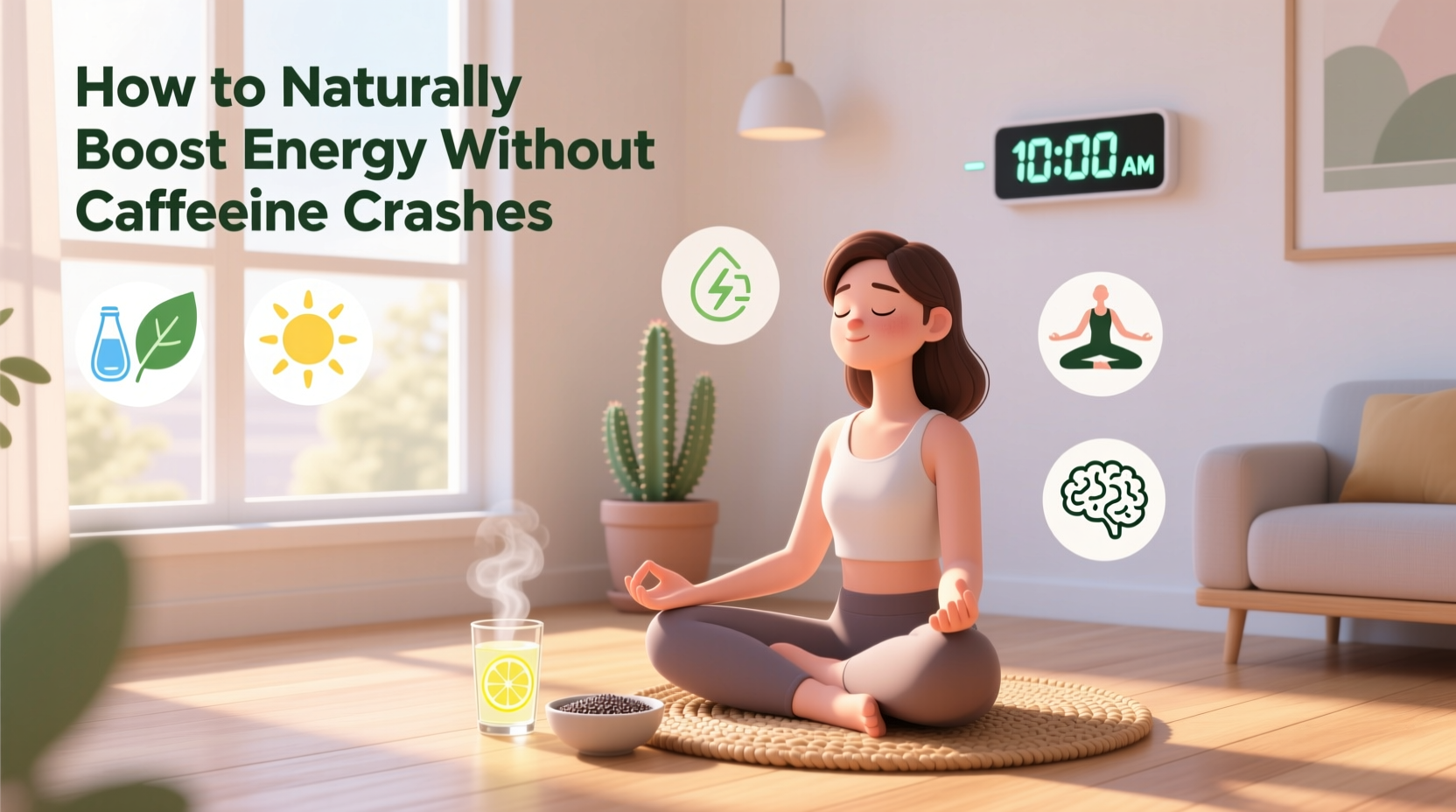
Your first 90 minutes after waking set the tone for your entire day. A chaotic start with screens, stress, and sugary breakfasts triggers cortisol spikes followed by sharp drops. Instead, design a morning that signals safety and stability to your nervous system.
Begin with hydration. After hours of sleep, your body is mildly dehydrated. Drink 16–20 ounces of water upon waking—add a pinch of sea salt and lemon for electrolyte balance. This kickstarts circulation and cognitive function far more effectively than caffeine.
Next, expose yourself to natural light within 10 minutes of rising. Open a window or step outside for 5–10 minutes. Morning sunlight regulates your circadian rhythm by suppressing melatonin and boosting serotonin, which improves alertness and mood. Studies show that even on cloudy days, outdoor light intensity exceeds indoor lighting by tenfold—making it essential for energy regulation.
Avoid checking emails or social media before 90 minutes post-wake. These activities spike stress hormones and fragment attention. Instead, engage in grounding practices: stretching, journaling, or light walking. These activities prime your parasympathetic nervous system for calm focus.
2. Fuel Your Body with Energy-Sustaining Nutrition
Food is not just calories—it’s information. What you eat directly influences mitochondrial function, blood sugar stability, and neurotransmitter production. To avoid energy crashes, shift from quick-burning carbs to balanced, nutrient-dense meals.
The key is stabilizing blood glucose. When you consume refined sugars or processed carbohydrates, insulin surges to manage the spike, often overshooting and causing reactive hypoglycemia—a common cause of midday fatigue. Instead, build meals around protein, healthy fats, and fiber-rich vegetables.
| Meal Component | Best Choices | Avoid |
|---|---|---|
| Protein | Eggs, Greek yogurt, salmon, lentils, tofu | Processed meats, fried proteins |
| Fats | Avocado, nuts, olive oil, chia seeds | Hydrogenated oils, margarine |
| Carbohydrates | Oats, quinoa, sweet potatoes, berries | Sugary cereals, white bread, pastries |
| Snacks | Apple with almond butter, hard-boiled eggs, hummus with veggies | Granola bars, soda, candy |
Include complex carbs with a low glycemic index to provide gradual energy release. Pair them with protein and fat to slow digestion further. For example, oatmeal topped with walnuts and blueberries provides sustained fuel for 3–4 hours, unlike a bagel with jam, which may leave you crashing within 60–90 minutes.
“Mitochondria—the energy powerhouses of your cells—thrive on clean fuel: whole foods rich in antioxidants, B vitamins, and essential fatty acids.” — Dr. Lena Torres, Functional Nutritionist
3. Move Strategically Throughout the Day
Sedentary behavior is one of the most underestimated causes of low energy. Sitting for long periods reduces circulation, lowers oxygen delivery to tissues, and slows metabolism. But intense workouts every day aren’t necessary—or always helpful—for energy maintenance.
Instead, adopt a strategy of micro-movement. Research shows that brief bursts of activity every 60–90 minutes improve cerebral blood flow, reduce mental fatigue, and elevate mood-enhancing neurotransmitters like dopamine and norepinephrine.
- Stand up and stretch for 2–3 minutes every hour
- Climb stairs for 2 floors instead of taking the elevator
- Take a 10-minute walk after meals—especially lunch
- Practice deep breathing or shoulder rolls at your desk
Morning exercise, particularly resistance training or moderate cardio, amplifies daytime alertness by increasing brain-derived neurotrophic factor (BDNF), a protein linked to cognitive resilience. However, avoid intense workouts late at night, as they can interfere with melatonin release and delay sleep onset.
4. Master Sleep Hygiene for Next-Day Vitality
No amount of dietary or lifestyle optimization can compensate for chronic sleep deprivation. Poor sleep impairs ATP production (the cellular energy currency), disrupts hormone balance, and increases systemic inflammation—all of which drain energy reserves.
Adults need 7–9 hours of quality sleep per night. But quantity isn’t enough. Sleep must be deep, uninterrupted, and aligned with natural circadian rhythms. Here’s how to achieve it:
- Set a consistent bedtime and wake time, even on weekends. This stabilizes your internal clock.
- Dim lights and avoid blue light 1–2 hours before bed. Use blue-light filters or switch to warm bulbs.
- Keep your bedroom cool (60–67°F) and dark. Consider blackout curtains and a white noise machine if needed.
- Avoid caffeine after 2 p.m. Its half-life is 5–6 hours, meaning a 3 p.m. latte can still block adenosine receptors at 9 p.m.
- Wind down with a ritual: herbal tea (chamomile, passionflower), light reading, or gentle yoga.
If you struggle with falling asleep, consider magnesium glycinate or L-theanine supplements, both shown to support relaxation without grogginess the next day.
Mini Case Study: Reversing Chronic Fatigue Without Caffeine
Sarah, a 38-year-old project manager, relied on three cups of coffee daily but still battled afternoon crashes and insomnia. She often felt “wired but tired” by 7 p.m. After consulting a functional health coach, she made three changes: stopped caffeine after noon, began morning sunlight exposure, and replaced her sugary breakfast with a vegetable omelet and avocado. Within two weeks, she reported clearer focus, fewer energy dips, and falling asleep more easily. By week four, she had eliminated coffee entirely and maintained higher baseline energy. Her secret? Consistency over intensity—small changes, repeated daily.
5. Support Long-Term Energy with Mindset and Recovery
Energy isn’t just physical—it’s psychological and emotional. Chronic stress, perfectionism, and mental overload deplete mental stamina faster than any physical task. Managing cognitive load is critical for sustainable vitality.
Practice mindfulness or meditation for 10 minutes daily. Studies show that just eight weeks of regular meditation increases gray matter density in brain regions linked to attention and emotional regulation. Even short breathwork sessions—like box breathing (inhale 4 seconds, hold 4, exhale 4, hold 4)—can reset your nervous system during stressful moments.
Additionally, prioritize recovery. Rest isn’t passive; it’s active restoration. Schedule deliberate downtime: a 20-minute walk in nature, a quiet coffee break without devices, or simply sitting with eyes closed. These moments allow your brain to enter default mode network (DMN), which supports creativity, memory consolidation, and emotional balance.
Checklist: Daily Habits for Natural Energy Boost
- ✅ Drink water with lemon and salt within 5 minutes of waking
- ✅ Get 5–10 minutes of natural sunlight before 9 a.m.
- ✅ Eat a protein- and fat-rich breakfast with low-glycemic carbs
- ✅ Move for 2–3 minutes every hour (stretch, walk, climb stairs)
- ✅ Take a 10-minute walk after lunch
- ✅ Avoid caffeine after 2 p.m.
- ✅ Limit screen time 1 hour before bed
- ✅ Practice 10 minutes of mindfulness or deep breathing
- ✅ Maintain a consistent sleep schedule (within 30 minutes nightly)
- ✅ Schedule one 15-minute rest break with no inputs (no phone, no music)
FAQ: Common Questions About Caffeine-Free Energy
Can I still drink coffee occasionally?
Yes—moderation is key. One cup of high-quality coffee in the morning, paired with food, is unlikely to cause issues for most people. The problem arises when caffeine becomes a crutch for poor sleep or nutrition. Listen to your body: if you experience jitters, crashes, or trouble sleeping, it’s time to cut back.
What are the best natural supplements for energy?
Rhodiola rosea, ashwagandha, and coenzyme Q10 (CoQ10) are adaptogens and mitochondrial supporters with strong research backing. Rhodiola helps combat mental fatigue under stress, while ashwagandha balances cortisol. CoQ10 supports cellular energy production, especially beneficial for those on statins or with low energy. Always consult a healthcare provider before starting new supplements.
How long does it take to adjust to life without caffeine?
Withdrawal symptoms—headaches, irritability, fatigue—typically peak within 24–48 hours and subside within 7–10 days. Staying hydrated, getting extra sleep, and using herbal teas (peppermint, ginger, rooibos) can ease the transition. Most people report improved energy stability within two to three weeks of eliminating caffeine.
Conclusion: Build Energy That Lasts
Natural energy isn’t about hacks or shortcuts—it’s about honoring your body’s innate rhythms. When you replace artificial stimulation with real nourishment, movement, and rest, you stop chasing energy and start cultivating it. You’ll think more clearly, stay focused longer, and feel genuinely revitalized—not just temporarily awake. The absence of caffeine crashes isn’t a sacrifice; it’s a sign of deeper balance. Start with one change: hydrate first thing, walk after lunch, or protect your sleep. Small steps compound into lasting vitality. Your most energetic self isn’t waiting for a cup of coffee. It’s waiting for you to begin.




 浙公网安备
33010002000092号
浙公网安备
33010002000092号 浙B2-20120091-4
Comments
No comments yet. Why don't you start the discussion?