
A well-organized pantry transforms the way you cook, shop, and live. Minimalism in the kitchen isn’t about having less for the sake of aesthetics—it’s about creating space, reducing waste, and making daily routines easier. One of the most effective ways to achieve this is by using reusable glass jars paired with a thoughtful labeling system. This approach not only declutters your storage but also promotes sustainability and mindful consumption. When done right, a minimalist pantry becomes a functional hub where everything has a place, and every item serves a purpose.
The Benefits of a Minimalist Pantry
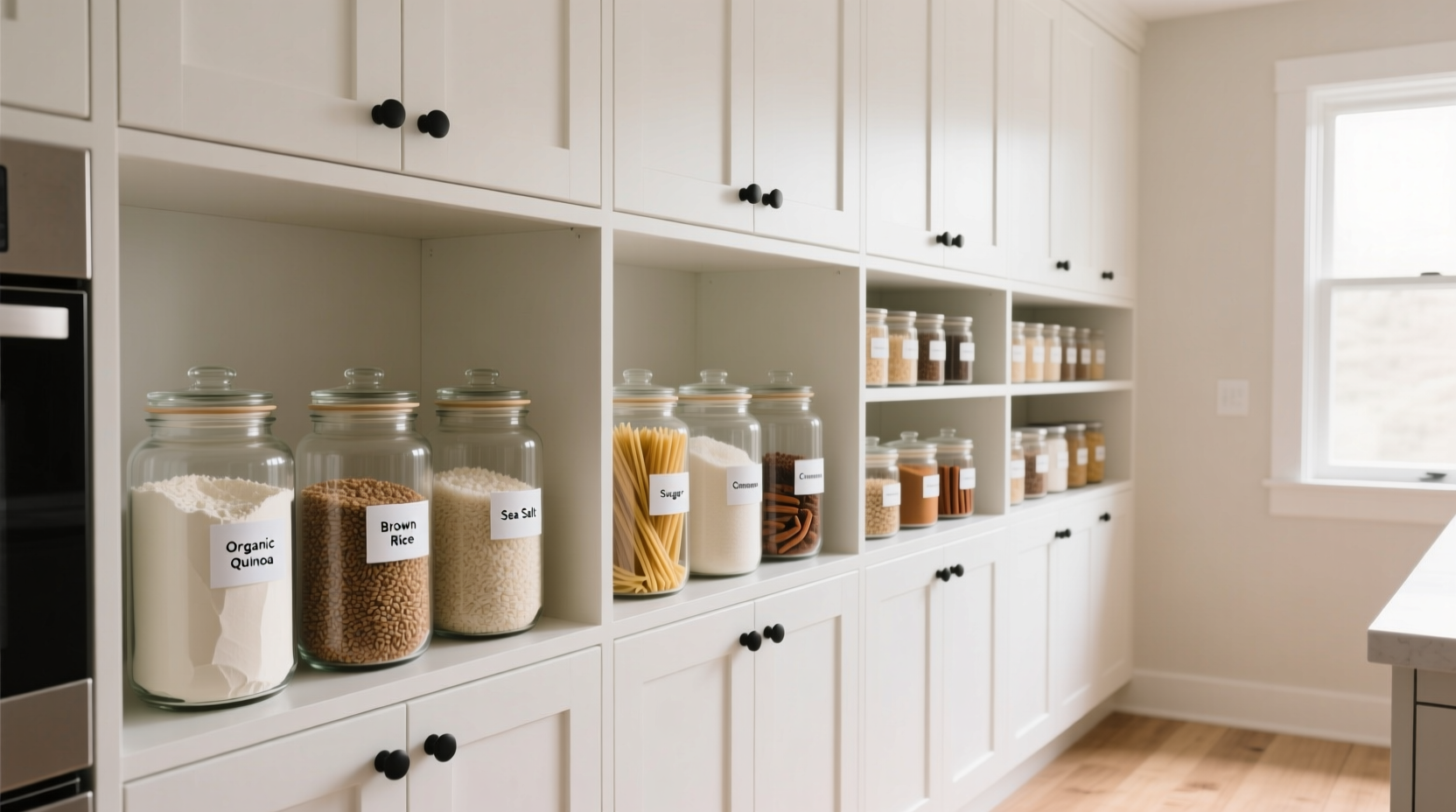
Minimalism in food storage goes beyond visual appeal. It encourages intentionality—buying what you need, using what you have, and avoiding over-purchasing. A streamlined pantry reduces decision fatigue when cooking and makes meal prep faster. Glass jars eliminate bulky packaging, protect contents from moisture and pests, and are infinitely recyclable. Unlike plastic, they don’t leach chemicals or retain odors, making them ideal for long-term dry goods storage.
Moreover, transparent containers allow you to see exactly what you have at a glance, minimizing food waste. Studies show that households with organized pantries waste up to 30% less food than those without systems in place. By adopting a minimalist mindset and using reusable materials, you’re not only simplifying your life but also reducing your environmental footprint.
Step-by-Step Guide to Building Your Minimalist Pantry
Creating a minimalist pantry doesn’t happen overnight. It requires assessment, planning, and consistent habits. Follow this step-by-step process to build a functional, beautiful system that lasts.
- Empty and assess your current pantry. Remove everything and check expiration dates. Discard expired items and donate unopened, non-perishable foods you won’t use.
- Categorize your staples. Group like items: grains, legumes, baking supplies, snacks, spices, etc. This helps determine how many jars you’ll need and their ideal sizes.
- Measure your shelf space. Note the height, width, and depth of each shelf to ensure your chosen jars will fit without overcrowding.
- Select uniform glass jars. Opt for clear, airtight containers in consistent shapes and sizes. Square jars maximize space better than round ones on narrow shelves.
- Transfer dry goods into jars. Pour items like rice, pasta, lentils, sugar, and flour into cleaned jars. Avoid storing oily foods like nuts long-term in glass unless kept in cool, dark places.
- Label everything clearly. Use a labeling system that suits your style—chalkboard stickers, waterproof labels, or embossed tags.
- Arrange by frequency of use. Place everyday items at eye level. Store backups or seasonal items on higher or lower shelves.
- Maintain with regular audits. Every month, review stock levels, wipe down jars, and adjust categories as needed.
This methodical approach ensures that your pantry remains functional, not just photogenic. The goal is usability, not perfection.
Choosing the Right Glass Jars and Labels
Not all glass jars are created equal. For a minimalist pantry, prioritize durability, seal quality, and aesthetic cohesion. Look for BPA-free, airtight lids—preferably with rubber gaskets—to keep contents fresh. Mason-style jars are widely available and affordable, but consider modular stacking systems designed specifically for pantry organization if space is limited.
Jar size should match the quantity of each ingredient. Common configurations include:
- 16 oz (500 ml) for spices, seeds, and small portions
- 32 oz (1 liter) for rice, quinoa, and oats
- 64 oz (2 liters) for bulk items like pasta or beans
For labeling, choose a system that’s both practical and visually calming. Handwritten labels can feel personal but may lack consistency. Printed labels offer precision and longevity. Consider using a label maker with matte-finish tape to avoid glare. Alternatively, reusable chalkboard labels allow flexibility when contents change.
| Label Type | Best For | Pros | Cons |
|---|---|---|---|
| Chalkboard Stickers | Renters or frequent recipe changers | Reusable, erasable, rustic look | Can smudge; requires chalk marker |
| Waterproof Vinyl Labels | Permanent organization | Durable, professional appearance | Hard to remove or update |
| Printed Paper Labels (in sleeves) | Budget-friendly setups | Customizable fonts and colors | Less durable; may yellow over time |
| Embossed Metal Tags | High-end, decorative pantries | Elegant, long-lasting | Expensive; harder to source |
Real Example: How Sarah Transformed Her Chaotic Pantry
Sarah, a busy mother of two in Portland, used to dread opening her pantry. Boxes tumbled out, she couldn’t find ingredients quickly, and she often bought duplicates because she forgot what she already had. After reading about minimalist storage, she decided to overhaul her system during a weekend reset.
She started by clearing out expired cereals and snack packs. She grouped items into six main categories: breakfast staples, baking essentials, pasta & grains, legumes, snacks, and spices. She invested in 18 uniform 32-oz glass jars from a local home goods store and used a portable label maker to create clean, black-on-white tags.
The change was immediate. Her morning routine improved because oatmeal, granola, and coffee were now visible and accessible. She saved money by seeing exactly what needed replenishing. Within three months, her household reduced grocery spending by nearly 20%, primarily by avoiding impulse buys of items already in stock.
“It’s not just about looks,” Sarah said. “It’s about peace of mind. I know what we have, and my kids can help themselves without making a mess.”
“Organization is a form of self-respect. When your pantry reflects clarity, your choices follow.” — Maya Thompson, Sustainable Living Consultant
Common Pitfalls to Avoid
Even well-intentioned pantry projects can go off track. Awareness of common mistakes helps maintain long-term success.
- Overbuying jars too soon. Start with the most-used items and expand gradually. You don’t need to jar everything on day one.
- Ignoring airflow and light exposure. Store jars away from stoves, ovens, and windows. Heat and humidity degrade food quality and compromise seals.
- Using inconsistent labeling. Mixing handwriting styles, fonts, or label placements creates visual noise, defeating the minimalist purpose.
- Forgetting about accessibility. Don’t stack jars so high that you can’t reach the back ones. Use tiered shelves or turntables for deep cabinets.
- Not rotating stock. Practice FIFO (First In, First Out). Place newer purchases behind older ones to prevent items from expiring unnoticed.
Checklist: Launch Your Minimalist Pantry in One Weekend
Use this actionable checklist to guide your transformation:
- ☐ Empty pantry completely and discard expired items
- ☐ Wipe down shelves and inspect for pests or moisture
- ☐ Sort remaining items into logical categories
- ☐ Measure shelf dimensions and plan jar layout
- ☐ Purchase or gather glass jars (start with 5–10 pieces)
- ☐ Wash and dry jars thoroughly before use
- ☐ Transfer dry goods into jars, leaving headspace for easy pouring
- ☐ Label each jar with contents and date
- ☐ Arrange jars by category and usage frequency
- ☐ Take a “before” and “after” photo to track progress
- ☐ Set a monthly reminder to audit and refresh the system
Frequently Asked Questions
Can I store all types of food in glass jars?
Most dry goods—grains, pasta, flour, sugar, spices, tea, and coffee—are ideal for glass storage. Avoid storing liquids, oils, or perishables like cut produce unless refrigerated. High-moisture environments may cause condensation, so ensure ingredients are completely dry before transferring.
How do I prevent pests like weevils in my jars?
Freeze grains and flours for 48 hours before storing to kill any insect eggs. Always use airtight lids, and inspect jars monthly. Adding a bay leaf inside grain jars can naturally deter pests without affecting flavor.
Are glass jars really more sustainable than plastic?
Yes. Glass is inert, non-toxic, and infinitely recyclable without degradation. While heavier than plastic, its longevity offsets transportation impact. One glass jar reused for five years replaces hundreds of single-use packages.
Conclusion: A Pantry That Works for You
A minimalist pantry with reusable glass jars and smart labeling is more than a design trend—it’s a commitment to clarity, sustainability, and simplicity. It removes friction from daily life and fosters healthier habits around food and consumption. The initial effort pays dividends in time saved, money preserved, and stress reduced.
Start small. Pick one category—like baking supplies or breakfast foods—and organize it beautifully. Once you experience the calm of an orderly shelf, you’ll want to expand. Your kitchen deserves to be a place of ease, not chaos.




 浙公网安备
33010002000092号
浙公网安备
33010002000092号 浙B2-20120091-4
Comments
No comments yet. Why don't you start the discussion?