
Small bathrooms are common in older homes, city apartments, and guest suites, but they don’t have to feel cramped or cluttered. With thoughtful planning, smart storage, and intentional design choices, even the most compact space can become highly functional and visually appealing. The key is balancing practicality with aesthetics—organizing for efficiency while maintaining a cohesive, stylish look. Whether you're dealing with tight corners, limited counter space, or outdated fixtures, this guide offers actionable strategies to transform your small bathroom into a streamlined sanctuary.
Assess Your Space and Usage Patterns
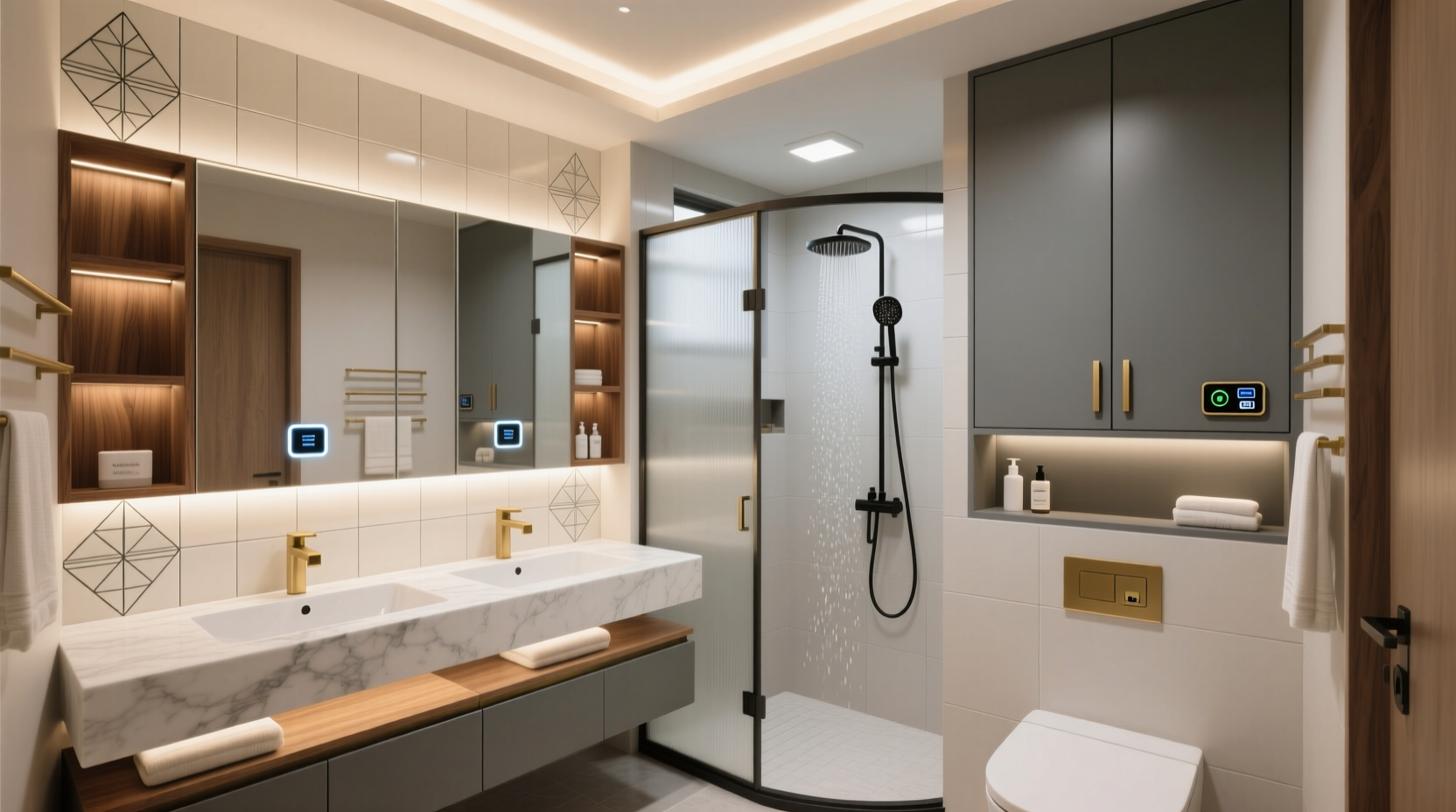
Before making any changes, take time to evaluate how the bathroom is currently used and where inefficiencies lie. Walk through your morning and evening routines. Are toiletries scattered across the sink? Is there no room for towels? Do guests struggle to move around?
Measure the dimensions of the room, noting door swings, window placements, and existing fixture locations. Identify dead zones—areas that aren’t being used effectively, like the back of the door or above the toilet. Understanding traffic flow helps determine what storage solutions will work best without obstructing movement.
Maximize Vertical and Hidden Storage
Floor space is limited in small bathrooms, so shift focus upward. Wall-mounted shelves, tall cabinets, and over-toilet storage units make use of vertical real estate without encroaching on walking areas. Floating vanities also create an airy feel by exposing floor space beneath.
Recessed niches in showers or beside mirrors offer concealed storage for bottles and jars, reducing countertop clutter. Medicine cabinets with mirrored doors double as storage and reflective surfaces, enhancing the sense of space. For deeper needs, consider installing a slim pull-out pantry between studs next to the vanity or behind a false wall panel.
| Storage Type | Best For | Style Tip |
|---|---|---|
| Wall-mounted shelves | Towels, decorative items, daily-use products | Use matching wood or metal finishes for cohesion |
| Over-toilet cabinet | Toiletries, cleaning supplies, extra toilet paper | Choose open-front designs to avoid visual bulk |
| Recessed niche | Shower essentials (shampoo, soap) | Line with tile matching the walls for seamless integration |
| Floating vanity | Toiletries, baskets, daily accessories | Add legs or lighting underneath to enhance openness |
Real Example: Transforming a 5x7 Bathroom
In a Brooklyn brownstone apartment, a homeowner struggled with a narrow 5x7 bathroom used by three people daily. Countertops were buried under toothbrushes, lotions, and hair tools. By replacing a bulky pedestal sink with a floating vanity offering two deep drawers, adding a recessed niche in the shower, and installing a mirrored medicine cabinet with internal LED lighting, the space became instantly more usable. A slim ladder shelf in the corner held rolled towels and baskets, while magnetic strips inside the cabinet doors stored bobby pins and razors. The result was a clutter-free, modern look that improved both function and mood.
“Small spaces demand precision. Every inch must serve a purpose—ideally more than one.” — Lena Torres, Interior Designer & Small-Space Specialist
Choose Multi-Functional Fixtures and Furniture
When square footage is limited, single-purpose items are a luxury you can’t afford. Opt for pieces that combine form and function. A vanity with built-in USB charging ports keeps devices powered during morning routines. Mirrors with integrated lighting eliminate the need for separate sconces. Showerheads with handheld settings and adjustable mounts adapt to different users and cleaning tasks.
Built-in benches in showers double as seating and storage when hollowed out with hidden compartments. Even towel bars can be upgraded—choose heated versions for comfort and faster drying, or angled ones that maximize access in tight corners.
Create the Illusion of Space with Design Tactics
Visual tricks can dramatically alter how a bathroom feels. Light colors on walls and floors reflect light and expand perception. Glossy tiles amplify brightness, while large-format tiles reduce grout lines, minimizing visual fragmentation.
Strategic mirror placement is crucial. A full-wall mirror or mirrored cabinet reflects light and doubles the apparent size of the room. Extending tile from floor to ceiling draws the eye upward, emphasizing height. Glass shower enclosures prevent visual blockage, unlike opaque curtains or solid doors.
Keep patterns minimal. If using patterned tile, reserve it for one accent wall or the floor. Busy designs in small areas overwhelm the senses. Instead, opt for subtle textures—ribbed glass, fluted wood, or matte stone—that add depth without chaos.
Do’s and Don’ts of Small Bathroom Design
| Do | Don't |
|---|---|
| Use large mirrors to reflect light | Install heavy drapes or solid shower doors |
| Choose monochromatic color schemes | Mix too many finishes (e.g., brass, chrome, black) |
| Install LED lighting under shelves or vanities | Rely solely on overhead lighting |
| Use open shelving sparingly for display | Clutter shelves with mismatched containers |
| Select toilets with concealed tanks or wall-hung models | Use bulky baseboards or crown molding |
Step-by-Step Guide to Organizing Your Small Bathroom
- Clear everything out. Remove all items from countertops, cabinets, and shower areas. Sort them into categories: daily use, occasional use, expired, and unnecessary.
- Edit ruthlessly. Discard expired products, duplicates, and unused samples. Donate unopened travel sizes if possible.
- Define zones. Assign areas for grooming, bathing, and storage. Keep related items together—towels near the shower, oral care near the sink.
- Invest in uniform containers. Use matching bottles for soap, lotion, and cotton swabs. Label clearly for ease.
- Install vertical solutions. Add a shelf, over-toilet unit, or wall-mounted caddy based on your layout.
- Optimize drawer interiors. Use dividers for makeup, razors, and brushes to prevent jumbling.
- Add lighting. Install task lighting near the mirror and ambient lighting overhead or under cabinets.
- Final styling. Place a few curated items back—perhaps a plant, folded towel, or candle—to add warmth without clutter.
Checklist: Small Bathroom Organization Essentials
- ☐ Declutter and discard expired products
- ☐ Measure available space (floor and wall)
- ☐ Choose a consistent color palette (2–3 tones max)
- ☐ Replace cluttered bottles with matching dispensers
- ☐ Install a recessed niche or floating shelf
- ☐ Upgrade to a wall-mounted or floating vanity
- ☐ Add a large mirror or mirrored storage cabinet
- ☐ Use baskets or bins for grouped items (e.g., hair tools)
- ☐ Introduce layered lighting (ambient + task)
- ☐ Seal grout and caulk to prevent moisture damage
Frequently Asked Questions
Can I have a stylish small bathroom on a budget?
Absolutely. Focus on high-impact, low-cost upgrades: painting walls a light neutral tone, replacing old hardware, adding peel-and-stick tile accents, and using affordable acrylic organizers. Thrift stores often carry vintage mirrors or small cabinets that can be refinished. Even swapping out a dated faucet or towel bar can elevate the entire look.
How do I keep a small bathroom from feeling sterile?
Warmth comes from texture and personal touches. Incorporate a small rug, a framed print, or a potted plant (like a snake plant or pothos, which thrive in humidity). Use soft-close drawers and warm-toned lighting (2700K–3000K) to create a welcoming atmosphere. Avoid going completely minimalist—leave room for character.
Is it safe to install shelves near the shower?
Yes, as long as materials are moisture-resistant. Use stainless steel, teak, or powder-coated metal for hardware. Ensure anchors are rated for wet environments. Position shelves outside direct water spray unless they’re specifically designed for in-shower use. Regularly check for mold or warping, especially with wooden options.
Conclusion: Style and Function Can Coexist
A small bathroom doesn’t need to be a compromise between beauty and utility. With deliberate choices in storage, materials, and layout, you can create a space that feels spacious, functions seamlessly, and reflects your personal style. The goal isn’t to fit more in, but to make everything you already have work better. From slim-profile vanities to clever niches and strategic mirrors, every decision should serve both purpose and pleasure.




 浙公网安备
33010002000092号
浙公网安备
33010002000092号 浙B2-20120091-4
Comments
No comments yet. Why don't you start the discussion?