
Living in a compact apartment or sharing a bedroom often means working with a closet that barely fits your essentials. Yet, a small footprint doesn’t have to mean constant clutter. With intentional planning and the right organizational techniques, even the tiniest closet can become a highly functional wardrobe hub. The key lies not in having more space—but in using what you have more wisely. From decluttering mindsets to vertical stacking systems, this guide walks through proven methods to maximize every inch of your confined closet.
Declutter First: Know What You Own
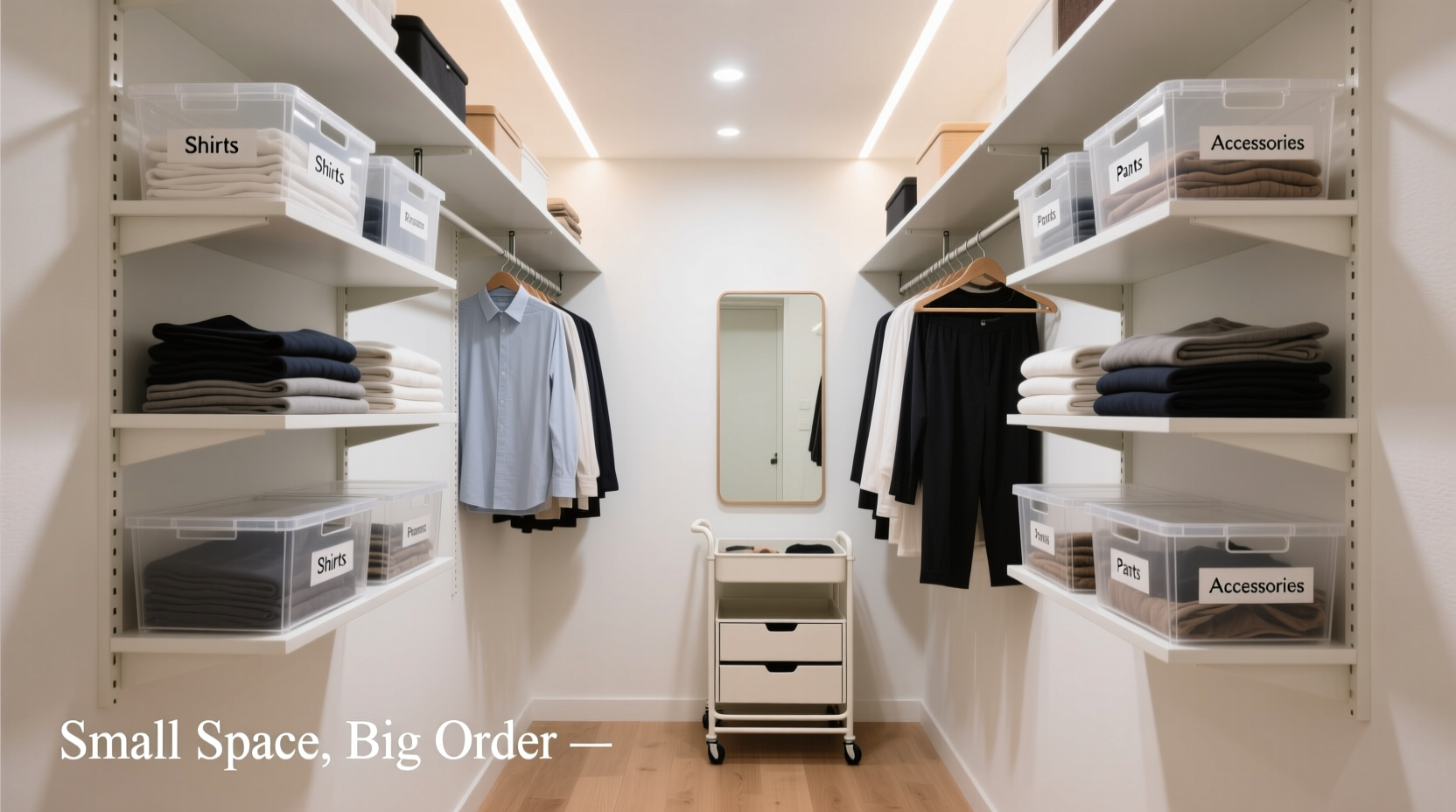
Before organizing begins, you must understand what’s actually inside your closet. Most people overestimate how much they wear and underestimate how much they’re storing out of habit. Begin by removing everything—yes, every last item—and sorting it into clear categories: tops, bottoms, outerwear, shoes, accessories, and seasonal pieces.
Once laid out, apply the “one-year rule”: if you haven’t worn it in the past 12 months and don’t have a specific upcoming occasion for it, consider letting it go. Be especially critical of items that are stained, ill-fitting, or perpetually “almost repaired.”
Don’t forget accessories. Scarves, belts, and handbags take up surprising real estate when left unmanaged. This initial purge creates breathing room and clarity—essential before any organizational system is introduced.
Maximize Vertical Space Strategically
The biggest mistake people make in small closets is focusing only on floor-level storage. In reality, vertical space—from the floor to the ceiling—is the most underused asset. Installing additional shelves above hanging rods or using stackable bins can instantly double usable capacity.
Consider these vertical optimization tactics:
- Add a second hanging rod below the primary one – ideal for shirts, pants, or skirts. The lower rod frees up shelf or drawer space for bulkier items.
- Use shelf risers – stackable platforms that create two levels on one shelf, perfect for folded sweaters or handbags.
- Install wall-mounted hooks behind the door – hang robes, frequently used bags, or next-day outfits without consuming hanging space.
- Utilize the back of the door – over-the-door organizers work well for shoes, scarves, or jewelry.
“Vertical organization isn’t just about height—it’s about creating zones. Each zone should serve a distinct function: daily wear, formal attire, off-season storage, etc.” — Lena Pruitt, Interior Organizer & Author of *Compact Living Solutions*
Step-by-Step Guide: Building a Vertical Storage System
- Measure the interior height and width of your closet.
- Determine which items require hanging versus folding.
- Install a secondary hanging rod 36–40 inches above the floor (ideal for pants).
- Add adjustable shelving units between the top rod and ceiling.
- Place stackable fabric bins on upper shelves for off-season clothing.
- Mount adhesive hooks or slim rails on side walls for belts or ties.
- Label all bins and sections for long-term maintenance.
Choose the Right Organizers for Your Wardrobe Type
Not all organizers work for all wardrobes. A professional with many button-downs needs different tools than someone who wears mostly casual knits. Selecting the correct storage solutions prevents inefficiency and damage to garments.
| Item Type | Best Organizer | Avoid |
|---|---|---|
| Dress Shirts | Fabric-covered hangers, spaced evenly | Wire hangers (cause shoulder bumps) |
| Sweaters | Folded on wide shelves or in breathable bins | Hanging (stretches fibers) |
| Pants | Clamp hangers or double-tier hanging rods | Stacking loosely (causes wrinkles) |
| Shoes | Over-the-door pockets or stackable cubbies | Loose piles on the floor |
| Bags | Shelved upright with stuffing to retain shape | Dangling by straps (weakens hardware) |
Invest in uniform hangers—they save space and create visual calm. Velvet non-slip hangers are slim yet grippy, preventing slippage while maximizing rod capacity. For drawers within the closet, use dividers for socks, underwear, and folded tees to prevent shifting and chaos.
Real Example: Transforming a 3-Foot Reach-In Closet
Jamie, a graphic designer living in a Brooklyn studio, struggled with a narrow reach-in closet measuring just 36 inches wide. Her clothes were jammed together, shoes spilled onto the floor, and winter coats were stuffed into a plastic bin under the bed. After following a structured reorganization plan, here’s how she transformed her space:
- She began by donating 40% of her wardrobe using the one-year rule.
- Installed a second hanging rod beneath the original to separate blouses from trousers.
- Added a high shelf for off-season storage, labeling each bin (e.g., “Winter Knits,” “Beachwear”).
- Mounted an over-the-door shoe organizer for flats and sandals.
- Used shelf dividers to keep folded sweaters neat and visible.
- Stored handbags inside one another with tissue paper, placed on the top shelf.
The result? Jamie now sees everything at a glance, spends less time choosing outfits, and no longer trips over stray footwear. More importantly, her closet supports her lifestyle instead of fighting against it.
Create Smart Zones for Daily Use
An efficient closet isn’t just about fitting more in—it’s about making the right things easy to access. Designate zones based on frequency of use and category:
- Everyday Zone (Eye-Level) – Place most-worn items here: work shirts, jeans, go-to dresses.
- Occasional Zone (Top/Bottom) – Formalwear, seasonal items, or rarely used accessories.
- Active Rotation Zone (Front of Rod) – Current season favorites; rotate monthly.
- Storage Zone (High Shelves or Underbed) – Off-season clothing, memorabilia, extra linens.
Color-coding within zones adds another layer of efficiency. Arrange clothes by hue within each category—navy, gray, black, then whites and pastels. This makes matching outfits faster and reduces decision fatigue in the morning.
FAQ: Common Questions About Small Closet Organization
How do I fit more shoes in a small closet?
Use vertical space. Install a hanging shoe organizer on the back of the door or invest in stackable clear boxes. Store everyday pairs at eye level and seasonal ones on high shelves. Avoid keeping more than 10–12 pairs unless you're a collector—excess footwear clutters circulation space.
Should I fold or hang my clothes?
It depends on the fabric and structure. Hang dress shirts, blazers, dresses, and suits to preserve shape. Fold knits, sweaters, and denim to prevent stretching. T-shirts and casual hoodies are best folded unless you use cascading hangers designed for multiple tees.
What if my closet has no shelves or rods?
Freestanding closet systems like IKEA PAX or SimpleHouseware mesh cubes can be customized to fit your space. Alternatively, use a clothing rack in front of the closet opening as a hybrid solution—especially useful in rentals where permanent modifications aren’t allowed.
Checklist: Your 7-Step Small Closet Transformation
Follow this actionable checklist to complete your closet overhaul in under a weekend:
- Empty the entire closet and sort items by category.
- Declutter using the one-year rule and condition check.
- Measure dimensions to plan layout changes.
- Install additional rods, shelves, or organizers.
- Group remaining items into functional zones.
- Use uniform hangers and labeled bins for consistency.
- Establish a monthly 15-minute refresh routine to maintain order.
This systematic approach ensures lasting results—not just a temporary tidy-up.
Final Thoughts: Efficiency Is a Habit, Not a One-Time Fix
A well-organized small closet isn’t achieved through magic corner units or viral TikTok hacks. It comes from consistent habits, honest inventory, and smart spatial decisions. The goal isn’t minimalism for its own sake, but functionality tailored to your life. When your closet reflects intentionality, getting dressed becomes simpler, stress fades, and even a 2x4-foot space can feel expansive.
Start small: pick one shelf or section to reorganize today. Once you experience the clarity that comes from order, you’ll be motivated to expand it further. Over time, your closet will evolve into a personalized system—one that works quietly in the background so you can focus on what matters most.




 浙公网安备
33010002000092号
浙公网安备
33010002000092号 浙B2-20120091-4
Comments
No comments yet. Why don't you start the discussion?