
In compact living spaces, maximizing every inch of storage is essential. One of the most common challenges homeowners face is organizing a small closet that features double hanging rods but lacks shelves. While this layout offers more hanging capacity, the absence of flat storage surfaces can make it difficult to store folded items, accessories, or shoes. Without thoughtful organization, such closets quickly become cluttered and inefficient.
The good news is that even without built-in shelves, you can transform your double-hang closet into a highly functional and visually streamlined storage zone. With strategic planning, creative use of vertical space, and the right organizational tools, you can maintain order, improve accessibility, and preserve your clothing’s condition—all within a tight footprint.
Assess Your Closet Layout and Usage Patterns
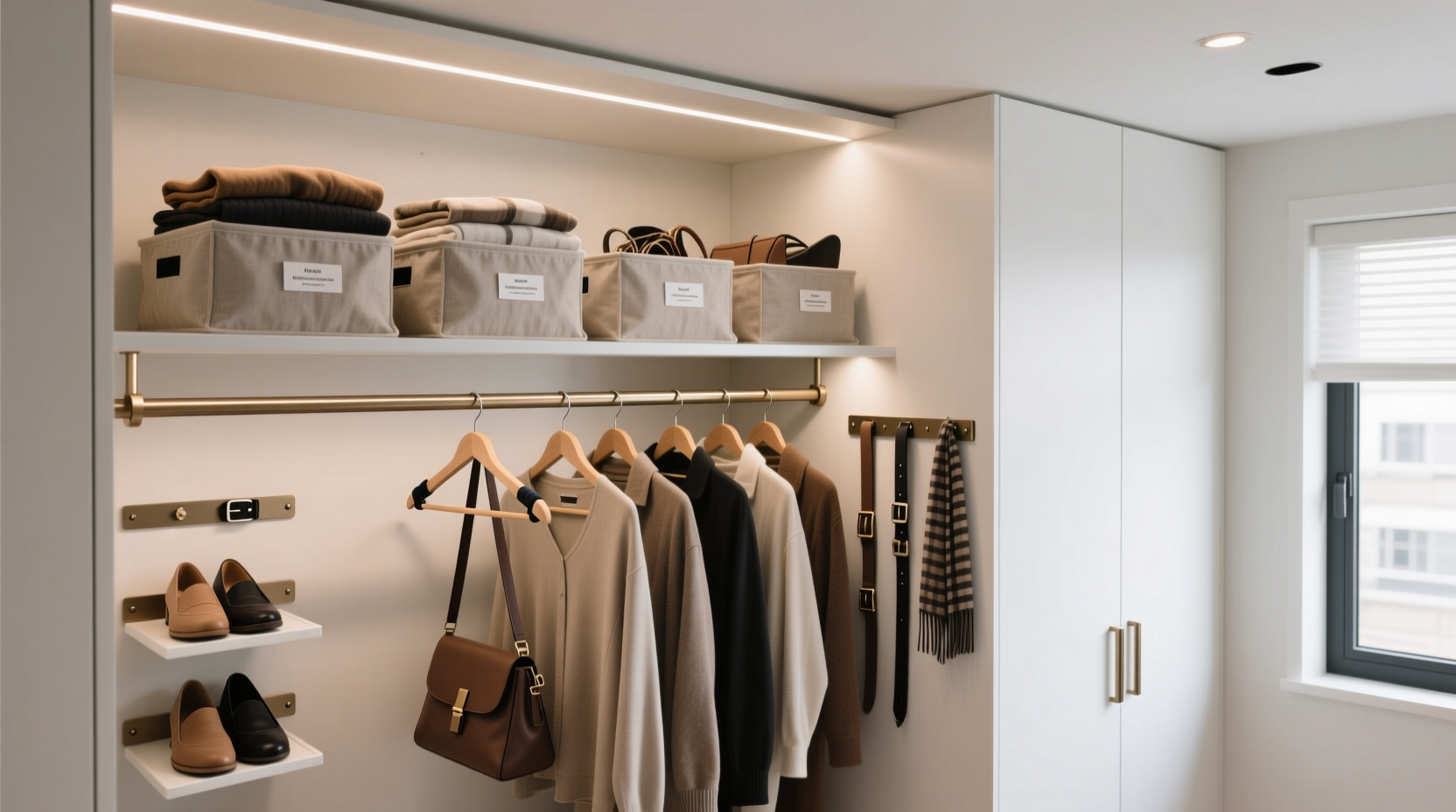
Before making any changes, take time to evaluate how your current closet functions. A double hanging setup typically includes an upper rod for longer garments like dresses and coats, and a lower rod for shirts, pants, or shorter items. However, if both rods are used identically or overloaded, the system breaks down.
Start by emptying the entire closet. This allows you to see the full dimensions and identify underused zones—such as the back of the door, floor area, or top section above the upper rod. As you remove each item, sort them into categories: keep, donate, repair, or discard. Be honest about what you actually wear. Research shows the average person wears only 20% of their wardrobe regularly. Reducing volume is the first step toward sustainable organization.
Next, analyze your daily habits. Do you frequently wear certain types of clothing? Are there items you struggle to access? Is shoe storage spilling onto the floor? Understanding these patterns helps determine which areas need priority attention and which organizational products will offer real value.
Optimize Vertical Space with Layered Storage
When horizontal shelf space isn’t available, go vertical. The key is to create multiple functional layers without overcrowding the hanging zones. Here’s how to do it effectively:
- Use adjustable hangers: Slim, non-slip velvet hangers save space and prevent clothes from slipping. They’re also stackable—ideal for bundling similar items like blouses or slacks.
- Implement tiered hanging: On the lower rod, hang pants using clip hangers vertically. Fold each pair over the clip so both legs drape downward. This doubles capacity and keeps creases minimal.
- Add a second-tier shelf alternative: Install a tension rod just below the upper hanging bar. This creates a narrow platform ideal for storing folded sweaters in breathable cotton bins or rolling jeans and t-shirts.
- Utilize the space above the top rod: This often-overlooked zone can hold decorative baskets or fabric bins for off-season items, scarves, or handbags. Ensure they don’t press against hanging clothes.
Another powerful trick is to hang an over-the-door organizer. Choose one with deep pockets made from canvas or mesh to avoid sagging. Use it for belts, sunglasses, socks, or内衣 (undergarments). Transparent pockets help you see contents at a glance, reducing rummaging and disarray.
Smart Product Solutions for Shelf-Free Closets
You don’t need permanent shelving to gain organized storage. Today’s market offers numerous adaptable, damage-free options designed specifically for small or rental-friendly spaces.
| Solution | Best For | Installation Type | Space-Saving Benefit |
|---|---|---|---|
| Hanging Closet Organizer (multi-tier) | Folded tops, pants, pajamas | Hangs from upper rod | Adds 3–5 layers of shelf-like storage |
| Stackable Fabric Bins | Sweaters, loungewear, accessories | Freestanding on floor | Keeps items visible and dust-free |
| Over-the-Door Shoe Pockets | Shoes, gloves, small bags | Door-mounted | Uses otherwise wasted vertical surface |
| Tension Rods (adjustable) | Scarves, ties, rolled tees | No drilling, pressure-fit | Creates temporary horizontal dividers |
| Under-Hang Hanging Shelves | Handbags, hats, folded jeans | Attaches to existing rod | Floats above lower garments, uses air space |
Invest in modular systems that allow flexibility. For example, a hanging shelf with removable bins lets you reconfigure storage as seasons change. Avoid bulky plastic containers—they overwhelm small spaces and disrupt airflow, potentially leading to musty odors.
Step-by-Step Guide to Reorganizing Your Closet
Follow this sequence to ensure lasting results:
- Empty everything out. Place items on a bed or clean surface. Wipe down rods, walls, and baseboards.
- Categorize your wardrobe. Group by type (tops, bottoms, dresses), then by frequency of use.
- Declutter ruthlessly. Donate unworn pieces, especially those not worn in the past year.
- Install organizational tools. Add over-the-door organizers, tension rods, or hanging shelves before returning clothes.
- Rehang strategically. Use the upper rod for long-term or infrequently worn items (e.g., formal dresses). Reserve the lower rod for daily-use garments.
- Store folded items creatively. Use stackable bins on the floor or hang foldable organizers from the upper rod.
- Label containers. Even if contents are visible, labels reinforce order and make maintenance easier.
- Final sweep. Step back and assess flow. Can you access everything easily? Is anything blocking airflow or light?
This process should take no more than 3–4 hours, depending on closet size. Once complete, maintain the system with a weekly 10-minute tidy-up to reset misaligned hangers or misplaced items.
“Efficiency in small closets comes not from square footage, but from intentionality. Every item should have a designated home.” — Lena Torres, Professional Home Organizer & Author of *Compact Spaces, Maximum Style*
Real-Life Example: Transforming a Studio Apartment Closet
Sophie, a graphic designer living in a 450-square-foot Brooklyn studio, struggled with her reach-in closet. It had two fixed rods and zero shelves. Her clothes were tangled, shoes piled on the floor, and accessories buried in drawers she couldn’t open fully.
She followed the reorganization steps outlined here. First, she donated 37 items she hadn’t worn in months. Then, she installed a canvas over-the-door organizer for scarves and sunglasses, added a hanging three-tier shelf for folded knits, and used slim hangers to maximize rod space. She placed two low-profile fabric bins on the floor for gym clothes and seasonal layering pieces.
The result? She regained 40% more usable space, could see all her options at a glance, and reduced morning decision fatigue. Most importantly, she no longer avoided opening the closet door.
Common Mistakes to Avoid
- Overloading rods: Crowded hangers cause wrinkles and make it hard to find items. Leave at least ½ inch between garments.
- Ignoring floor space: The floor isn’t just for shoes. Use it wisely with stackable, breathable containers.
- Using mismatched hangers: Wooden, plastic, and wire hangers vary in width and thickness, creating uneven spacing and wasted gaps.
- Blocking airflow: Stuffed bins or sealed plastic boxes trap moisture. Opt for cotton, canvas, or ventilated materials.
- Forgetting visibility: If you can’t see it, you won’t wear it. Avoid deep opaque bins unless labeled clearly.
Frequently Asked Questions
Can I add shelves without drilling?
Yes. Use tension-based shelf kits or hanging shelf units that attach to the existing rod. These are ideal for renters and require no permanent modifications. Just ensure weight limits are respected—typically 10–15 lbs per unit.
How do I store shoes without taking up floor space?
Try an over-the-door shoe organizer with clear pockets. Alternatively, use a narrow rolling rack that fits beside the lower rod. Store off-season shoes elsewhere to minimize congestion.
What’s the best way to organize a shared closet with double hanging?
Divide the closet vertically—one person uses the upper rod and half the lower, the other takes the remaining lower space. Use color-coded hangers or bin labels to distinguish belongings. Coordinate folding and hanging styles to maintain visual harmony.
Essential Checklist for Immediate Action
- ☐ Empty the entire closet and clean interior surfaces
- ☐ Sort clothing into keep/donate/repair piles
- ☐ Purchase slim, uniform hangers (velvet preferred)
- ☐ Install an over-the-door organizer for small items
- ☐ Add a hanging shelf or tension rod for folded garments
- ☐ Designate floor space for stackable fabric bins
- ☐ Rehang clothes by category and frequency of use
- ☐ Label all containers for easy identification
- ☐ Perform a weekly 10-minute maintenance session
Conclusion: Turn Constraints Into Creative Opportunities
A small closet with double hanging and no shelves doesn’t have to be a storage nightmare. In fact, limitations often spark innovation. By leveraging vertical space, adopting modular solutions, and maintaining a disciplined categorization system, you can turn a cramped closet into a model of efficiency.
The goal isn’t perfection—it’s functionality. When your clothes are easy to access, properly stored, and thoughtfully arranged, getting dressed becomes simpler, faster, and even enjoyable. Organization isn’t about having more space; it’s about making the most of what you have.




 浙公网安备
33010002000092号
浙公网安备
33010002000092号 浙B2-20120091-4
Comments
No comments yet. Why don't you start the discussion?