
Living in a compact home or apartment often means making the most of every inch. Nowhere is this more apparent than in the closet—especially when it’s already outfitted with double hanging rods but still feels cramped. Without floor space for bins or shelves, the challenge isn’t just about fitting everything in; it’s about creating a system that makes your clothes easy to access, visually calm, and sustainable over time. The good news? Even with zero additional square footage, a well-planned strategy can transform an overcrowded closet into a functional, streamlined wardrobe hub.
Assess Your Current Inventory
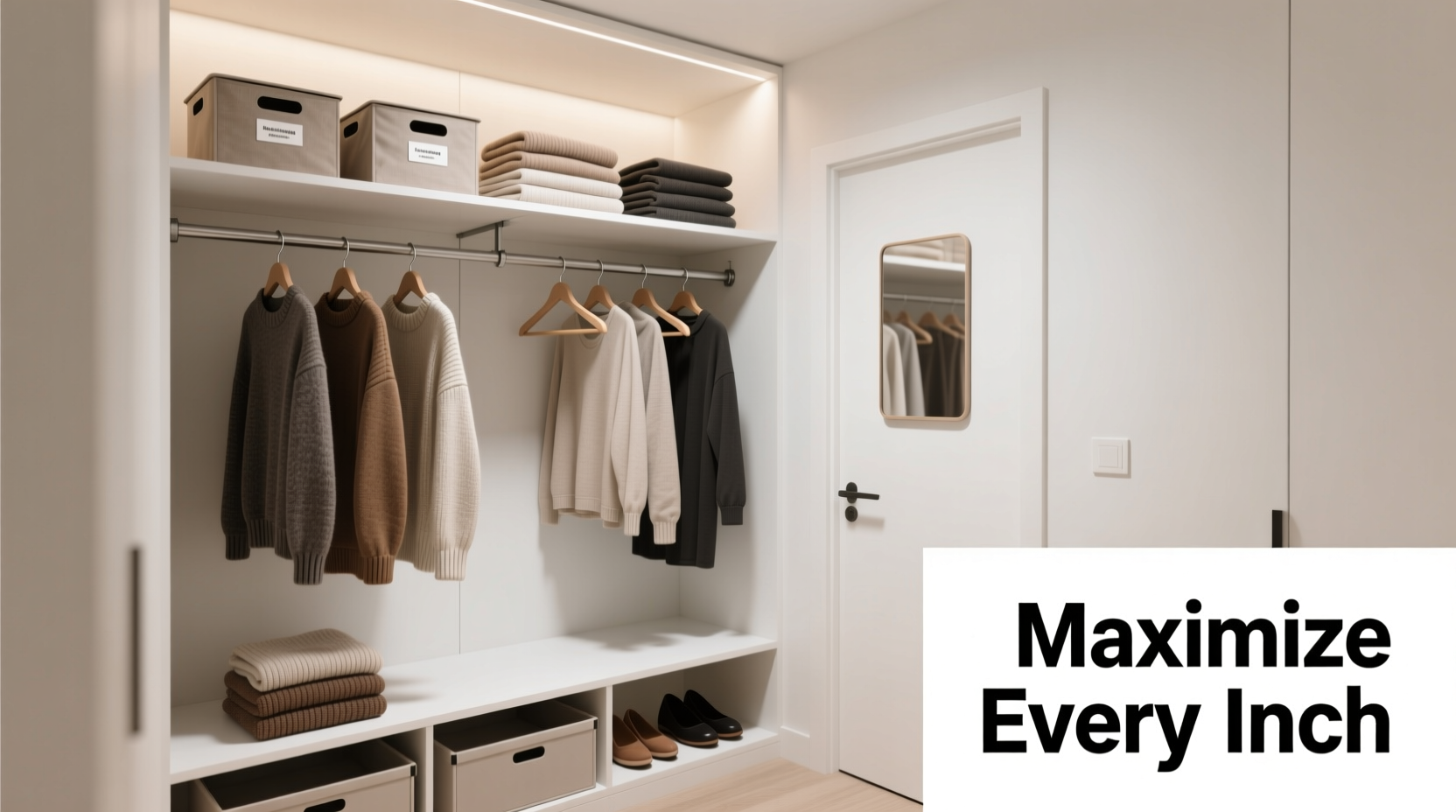
Before rearranging anything, take inventory of what you actually own. Most people wear only 20% of their clothing 80% of the time. In a small closet, excess items create clutter, obscure visibility, and make daily dressing stressful. Begin by removing everything from the closet—yes, every last hanger and folded item.
Lay things out on your bed or floor in categories: tops, bottoms, dresses, outerwear, seasonal pieces, and accessories. As you sort, ask yourself three questions:
- Have I worn this in the past six months?
- Does it fit comfortably and make me feel confident?
- Is it in good condition, or does it need repair or disposal?
Be ruthless. Donate or sell items that don’t meet these criteria. This step isn’t about deprivation—it’s about curation. A smaller, better-edited wardrobe is easier to maintain and far more enjoyable to use.
Optimize Vertical Space with Double Hanging Rods
The presence of two hanging rods is a hidden advantage. Most people underutilize this feature by stacking similar items without considering length or frequency of use. To maximize efficiency, follow a strategic layering approach:
- Upper rod: Reserve for shorter garments like shirts, blouses, jackets, and dresses that fall above the knee. These items are typically worn more frequently and benefit from being at eye level.
- Lower rod: Use for longer items such as pants, skirts, and full-length dresses. Since these require more vertical clearance, placing them below prevents bunching and tangling.
Ensure there’s at least 40 inches between rods to allow room for hangers and fabric movement. If the lower rod is too high, consider adjusting its position downward if your closet system allows. Alternatively, install a tension rod beneath the existing lower rod to hang scarves, belts, or lightweight trousers.
| Clothing Type | Recommended Rod | Hanger Style |
|---|---|---|
| Blouses, Shirts, Jackets | Upper Rod | Slim, non-slip velvet hangers |
| Pants, Skirts, Long Dresses | Lower Rod | Pants hangers (clips or trouser bar) |
| Off-season or Infrequently Worn | Back of Rod or Bin Storage | Folded in breathable containers |
Using consistent hangers—not mixed styles—creates visual uniformity and saves space. Velvet hangers are ideal because they’re thin, prevent slipping, and allow closer spacing without sliding apart.
Implement Smart Folding and Shelf Alternatives
Even without shelves, folding can play a vital role. Items like sweaters, t-shirts, and pajamas should not be hung long-term—they stretch out. Instead, use shelf dividers or stackable fabric bins placed on the floor or tucked behind hanging clothes.
If your closet has a top shelf, reserve it for off-season storage in labeled, breathable cotton bins. Avoid plastic bins, which trap moisture and promote mildew. For in-season folded items, adopt the KonMari folding method: fold clothes into small rectangles that stand upright. This allows you to see every piece at a glance, even when stored vertically in drawers or bins.
Real Example: Maria’s Studio Apartment Closet
Maria lives in a 450-square-foot studio with a reach-in closet measuring just 3 feet wide and 2 feet deep—complete with factory-installed double rods. Initially, she crammed everything in, resulting in tangled sleeves and forgotten outfits. After a weekend of reorganization, she applied the following changes:
- Donated 40% of her wardrobe based on the six-month rule.
- Switched to uniform velvet hangers.
- Placed blouses and jackets on the upper rod; pants and midi skirts on the lower.
- Used two slim fabric bins on the floor for folded sweaters and loungewear.
- Added an over-the-door shoe organizer for accessories like scarves and socks.
The result? She gained back 30% visible space, reduced morning decision fatigue, and could finally close the closet door without force.
Expert Insight: What Professional Organizers Recommend
According to Sarah Lin, certified professional organizer and founder of Urban Order Consulting, “The key to small-space success is vertical zoning and habit alignment.”
“Your closet should reflect how you dress, not how someone else thinks you should organize. If you wear blazers daily, give them prime real estate. If you rarely wear formal gowns, don’t let them occupy valuable hanging space.” — Sarah Lin, Certified Professional Organizer
She emphasizes the importance of “zone mapping”: dividing the closet into functional areas based on use frequency and category. For example:
- Front zone: Daily essentials (work shirts, go-to jeans).
- Middle zone: Occasional wear (dresses, seasonal layers).
- Back or high zone: Rarely used or off-season items.
This method reduces unnecessary shifting and preserves order over time.
Step-by-Step Guide to Reorganizing Your Closet
Follow this seven-step process to transform your small double-rod closet into a highly functional space:
- Empty everything. Remove all clothing, shoes, and accessories. Clean the interior with a damp cloth.
- Sort and edit. Categorize items and eliminate those unused or unworn. Be honest about fit and condition.
- Measure clearance. Confirm the distance between rods. Adjust if possible to optimize garment length accommodation.
- Assign zones. Decide which rod holds what type of clothing based on length and usage frequency.
- Standardize hangers. Replace mismatched hangers with slim, non-slip versions to save space and prevent slippage.
- Add compact storage. Use floor bins, door organizers, or stackable cubes for folded items and accessories.
- Label and maintain. Label bins and set a monthly 10-minute refresh routine to reset alignment and remove misplaced items.
This process takes 3–5 hours initially but pays dividends in daily ease and long-term sustainability.
Common Mistakes to Avoid
Even with the best intentions, small closets can quickly revert to chaos if common pitfalls aren’t avoided:
- Overfilling rods: Crowding leads to wrinkled clothes and difficulty selecting outfits. Leave at least 1 inch between hangers.
- Hanging delicate knits: Wool and cashmere stretch when hung. Fold instead.
- Ignoring door space: The back of the closet door is prime real estate for slim organizers.
- Keeping “someday” clothes: If you haven’t worn it in a year and aren’t actively working toward the size or occasion, let it go.
“Organization isn’t about perfection—it’s about progress. A closet that works for you today is better than a Pinterest-perfect one you can’t maintain.” — Sarah Lin
Frequently Asked Questions
Can I add more storage without remodeling?
Absolutely. Use adhesive hooks, over-the-door organizers, tension rods, and stackable bins to add capacity without permanent changes. Magnetic strips can hold bobby pins or small tools. Focus on vertical and hidden spaces rather than floor area.
How do I store shoes in a tiny closet?
Limit in-closet footwear to daily pairs. Use a slim over-the-door shoe pouch for up to 12 pairs. Store seasonal or special-occasion shoes elsewhere—under the bed or in a hallway cabinet—to free up critical space.
What if my double rods are too close together?
If the gap is less than 36 inches, repurpose the lower rod for lightweight items only, like rolled belts or suspenders. Move pants to a fold-and-stack system or use cascading hangers that angle garments downward for layered access.
Final Checklist: Small Closet Success
Use this checklist to ensure your closet remains functional and clutter-free:
- ✅ Removed all items and sorted by category
- ✅ Donated or discarded unworn/unneeded pieces
- ✅ Measured rod spacing and adjusted if possible
- ✅ Assigned upper rod to short garments, lower to long
- ✅ Switched to uniform, space-saving hangers
- ✅ Added floor bins or door storage for folded items
- ✅ Labeled containers and established a monthly reset habit
Conclusion: Transform Constraints Into Clarity
A small closet with double hanging rods and no extra space isn’t a limitation—it’s an invitation to refine your habits and elevate your daily routine. By thoughtfully curating your wardrobe, leveraging vertical organization, and adopting systems that support real-life use, you can create a closet that feels spacious, intentional, and effortlessly functional. The goal isn’t more space; it’s better use of what you already have. Start today with one drawer or one rod. Small actions compound into lasting change. When your closet works for you, getting dressed becomes less chore and more joy—one thoughtful hanger at a time.




 浙公网安备
33010002000092号
浙公网安备
33010002000092号 浙B2-20120091-4
Comments
No comments yet. Why don't you start the discussion?