
Small closets don’t have to mean limited functionality. With thoughtful planning and strategic use of vertical space, even the most compact wardrobe can become a highly efficient storage solution. When your closet features double hanging rods—typically one above the other—you already have a powerful advantage. The key is leveraging that structure wisely while integrating additional storage solutions to eliminate clutter and make every inch count.
This guide walks through practical, real-world methods for transforming a cramped, chaotic closet into a streamlined, accessible system. From rethinking garment placement to incorporating modular accessories, you’ll learn how to balance accessibility, visibility, and capacity without sacrificing convenience.
Assess Your Current Space and Usage Patterns
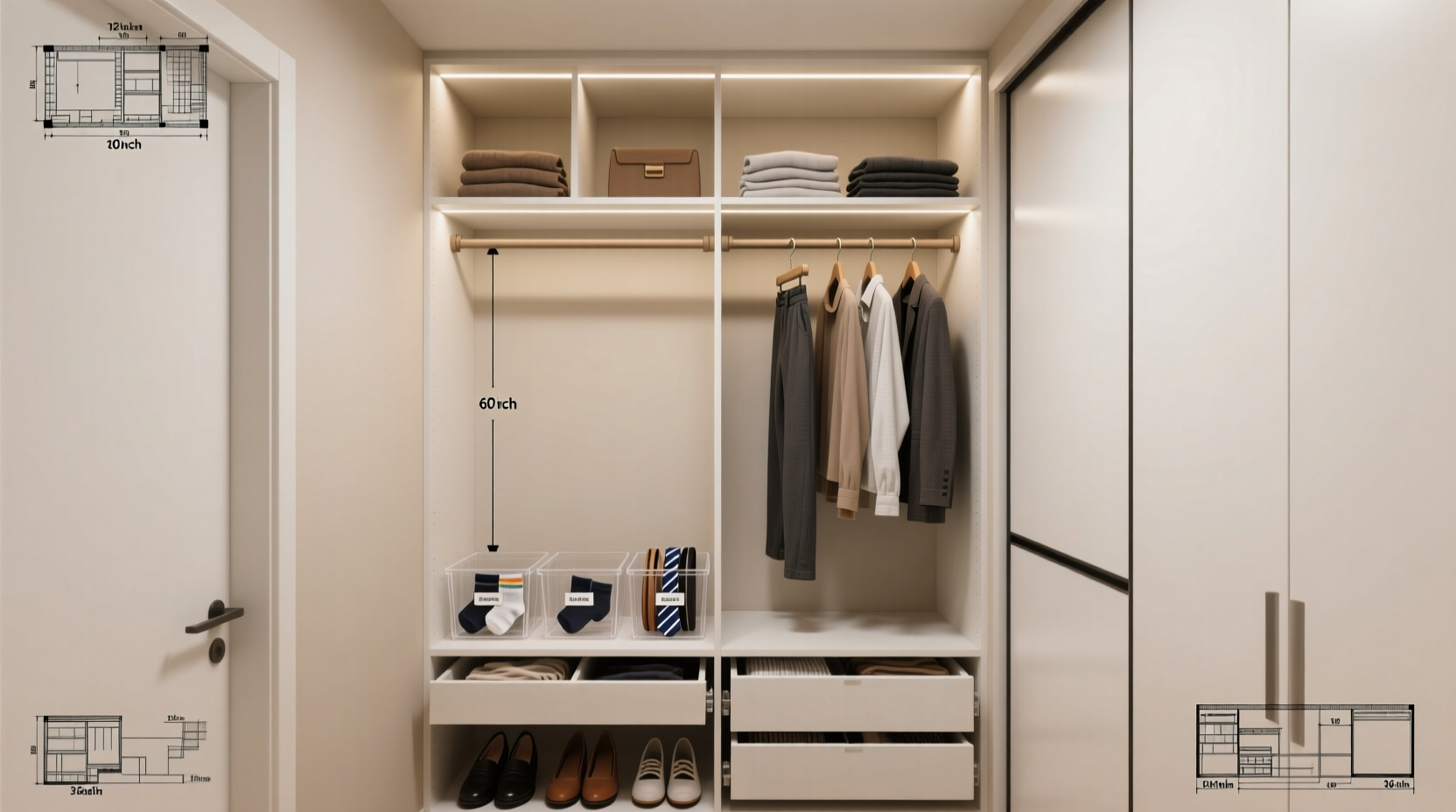
Before making any changes, take time to evaluate how you currently use your closet. Walk through a typical week: What items do you reach for daily? Which pieces remain untouched for months? Are certain areas overcrowded while others sit empty?
Understanding your habits ensures that your redesign supports your lifestyle—not the other way around. For instance, if you wear work shirts five days a week, they should be front and center. Seasonal coats or formalwear used occasionally can occupy less accessible zones.
Begin by removing everything from the closet. Clean the interior surfaces, then sort contents into categories: tops, pants, dresses, outerwear, shoes, accessories, and off-season items. This process reveals duplicates, forgotten garments, and opportunities to donate or discard.
Optimize Double Hanging Rods by Function and Frequency
The presence of two hanging levels is a major asset in small spaces. However, many people misuse this feature by stacking similar items on both rods, leading to overcrowding on the upper level and underuse of the lower.
Instead, assign each rod a distinct purpose based on accessibility and clothing type:
- Top rod: Reserve for frequently worn, lightweight garments such as blouses, dress shirts, jackets, and suits. These benefit from easy access and reduced wrinkling when hung higher.
- Bottom rod: Ideal for heavier or bulkier items like jeans, skirts, trousers, and sweaters folded over hangers. Placing them lower reduces strain when retrieving and prevents top-heavy imbalance.
If the bottom rod feels too low for comfortable use, consider lowering the top rod slightly (if adjustable) to create more clearance underneath. A gap of 40–42 inches between rods typically allows enough room for standard hangers without snagging.
“Vertical layering only works when each zone serves a clear function. Random stacking defeats the purpose of double rods.” — Lena Torres, Interior Organizer & Closet Design Consultant
Maximizing Clearance and Visibility
To prevent visual clutter and improve retrieval speed, follow these spacing guidelines:
| Clothing Type | Hanger Spacing | Recommended Rod Height (from floor) |
|---|---|---|
| Dresses, Coats, Suits | 1.5–2 inches apart | 60–72 inches (top rod) |
| Blouses, Shirts, Lightweight Jackets | 1–1.5 inches apart | 40–50 inches (top rod) |
| Pants, Skirts, Folded Sweaters | 2–3 inches apart (with multi-hangers) | 24–36 inches (bottom rod) |
| Off-season or Infrequently Used | Tight clustering acceptable | Above 72\" or below 24\" |
Use slim, non-slip hangers to reduce bulk and prevent slippage. Velvet-covered or flocked hangers are ideal—they grip fabric securely while taking up minimal space.
Integrate Vertical and Modular Storage Solutions
Double hanging rods handle clothing, but accessories, shoes, and folded items require dedicated zones. The goal is to utilize all dimensions: height, depth, and back panels.
Shelving and Bins Above the Top Rod
The space above the highest rod (usually starting at 72+ inches) is often wasted. Install shallow shelves (6–8 inches deep) to store folded items like sweaters, handbags, or off-season scarves. Use labeled fabric bins or baskets to keep things dust-free and visually tidy.
Door and Side Wall Organizers
Closet doors and side walls offer hidden potential. Attach over-the-door shoe organizers with clear pockets for small items: belts, ties, socks, chargers, or travel toiletries. For a cleaner look, mount narrow shelving units or pegboards on side walls to hold baskets, jewelry trays, or hat racks.
Drawers and Pull-Out Trays
If structural modifications are possible, consider adding slide-out drawers beneath the bottom rod or in dead corners. Even DIY solutions—like stackable plastic bins on wheels—can serve as mobile storage for underwear, workout gear, or pajamas.
Step-by-Step Closet Transformation Timeline
Organizing a small closet with double hanging rods doesn’t need to be overwhelming. Follow this realistic five-step timeline to complete the project efficiently:
- Day 1: Empty and Sort
Remove all items. Clean shelves and rods. Sort clothes into keep/donate/store piles. Discard damaged or unwearable pieces. - Day 2: Plan Zones
Map out functional areas: daily wear, occasional wear, accessories, shoes, and storage. Measure rod heights and available wall space. - Day 3: Install Add-Ons
Add shelves, door organizers, hooks, or drawer units. Ensure all hardware is secure and aligned with your layout plan. - Day 4: Hang and Fold Strategically
Place frequently worn items on the top rod. Use cascading hangers or pant clips on the lower rod for pants and skirts. Fold knits neatly on shelves. - Day 5: Finalize and Label
Arrange shoes on racks or in boxes. Label bins clearly. Take a photo of the finished setup for future reference during resets.
This phased approach prevents fatigue and ensures each decision builds logically on the last. Most transformations can be completed over a weekend with minimal disruption.
Real-Life Example: Transforming a 4-Foot Reach-In Closet
Sarah, a graphic designer living in a downtown apartment, struggled with a 4-foot-wide reach-in closet shared between her and her partner. Both worked remotely and needed quick access to casual and semi-formal attire. Initially, the top rod was crammed with dresses and jackets, while the bottom held only a few pairs of jeans. Shoes spilled onto the floor, and accessories were stuffed into a single drawer.
After assessing usage patterns, Sarah restructured the space:
- Moved everyday shirts and blazers to the top rod with uniform velvet hangers.
- Installed a tiered pant hanger on the lower rod, doubling pants capacity.
- Added a slim over-the-door organizer for scarves, sunglasses, and phone chargers.
- Mounted a 6-inch shelf above the top rod for folded sweaters in labeled canvas bins.
- Placed a pull-out shoe tray at the base, holding 12 pairs vertically.
The result? Full utilization of vertical space, easier morning routines, and no more tripping over shoes. “I save at least ten minutes each day now,” she said. “And I actually *see* what I own.”
Do’s and Don’ts of Small Closet Organization
| Action | Do | Don't |
|---|---|---|
| Hanging Clothes | Use consistent hangers; group by type and color | Mix bulky and slim hangers; overcrowd rods |
| Using Lower Rod | Hang pants with clip hangers or fold sweaters over bars | Leave it empty or use only for long garments |
| Storage Bins | Label clearly; choose breathable materials | Use opaque plastic; forget to rotate seasonally |
| Shoes | Store upright in racks or clear boxes | Stack loosely on the floor |
| Accessories | Use door organizers, hooks, or drawer dividers | Let them pile up in drawers or on shelves |
Frequently Asked Questions
Can I add a third hanging rod in a small closet?
Generally not advisable. Three full-length rods compromise usability and create visual chaos. Instead, use the existing double rods efficiently and supplement with shelves, drawers, or pull-out baskets for extra capacity.
How do I prevent the lower rod from becoming a dumping zone?
Assign it a specific role—such as \"pants and skirts only\"—and stick to it. Use labeled signs or color-coded hangers to reinforce the system. Regular monthly check-ins help maintain discipline.
What’s the best way to store bags in a small closet?
Store handbags on shelves above the top rod or inside labeled bins. Insert tissue paper to maintain shape. Avoid hanging leather bags by their straps for long periods, as this can cause stretching.
Final Checklist: Key Actions for Maximum Efficiency
- Empty and clean the entire closet
- Sort clothing by category and frequency of use
- Select uniform, space-saving hangers
- Designate top rod for light, frequently worn garments
- Use bottom rod for heavier or folded items with multi-hangers
- Add shelving or bins above the top rod for off-season storage
- Install door or wall organizers for accessories
- Incorporate shoe racks or pull-out trays
- Label all containers clearly
- Review and refresh the system every 3–6 months
Conclusion: Turn Constraints Into Advantages
A small closet with double hanging space isn’t a limitation—it’s an invitation to design smarter. By aligning storage logic with daily habits, maximizing vertical real estate, and maintaining consistency, you can achieve a system that feels spacious, intuitive, and sustainable.
The most effective closets aren’t the largest—they’re the ones where everything has a place and that place makes sense. Start today with one simple change: reassign your rods by function. From there, build outward with shelves, bins, and organizers that reflect your needs. In less than a week, you’ll move faster, stress less, and enjoy getting dressed more.




 浙公网安备
33010002000092号
浙公网安备
33010002000092号 浙B2-20120091-4
Comments
No comments yet. Why don't you start the discussion?