
A small closet doesn’t have to mean limited functionality. In fact, many modern closets come equipped with double hanging rods—one above the other—offering a hidden opportunity for efficient vertical storage. Yet without a clear system, even this extra space can quickly become overwhelmed by clothes, accessories, and seasonal items. The key to transforming a cramped, chaotic closet into a streamlined, functional wardrobe hub lies in strategic organization, intentional editing, and consistent maintenance. This guide walks you through practical methods to maximize your double-hanging closet while eliminating clutter for good.
Assess Your Current Closet Layout
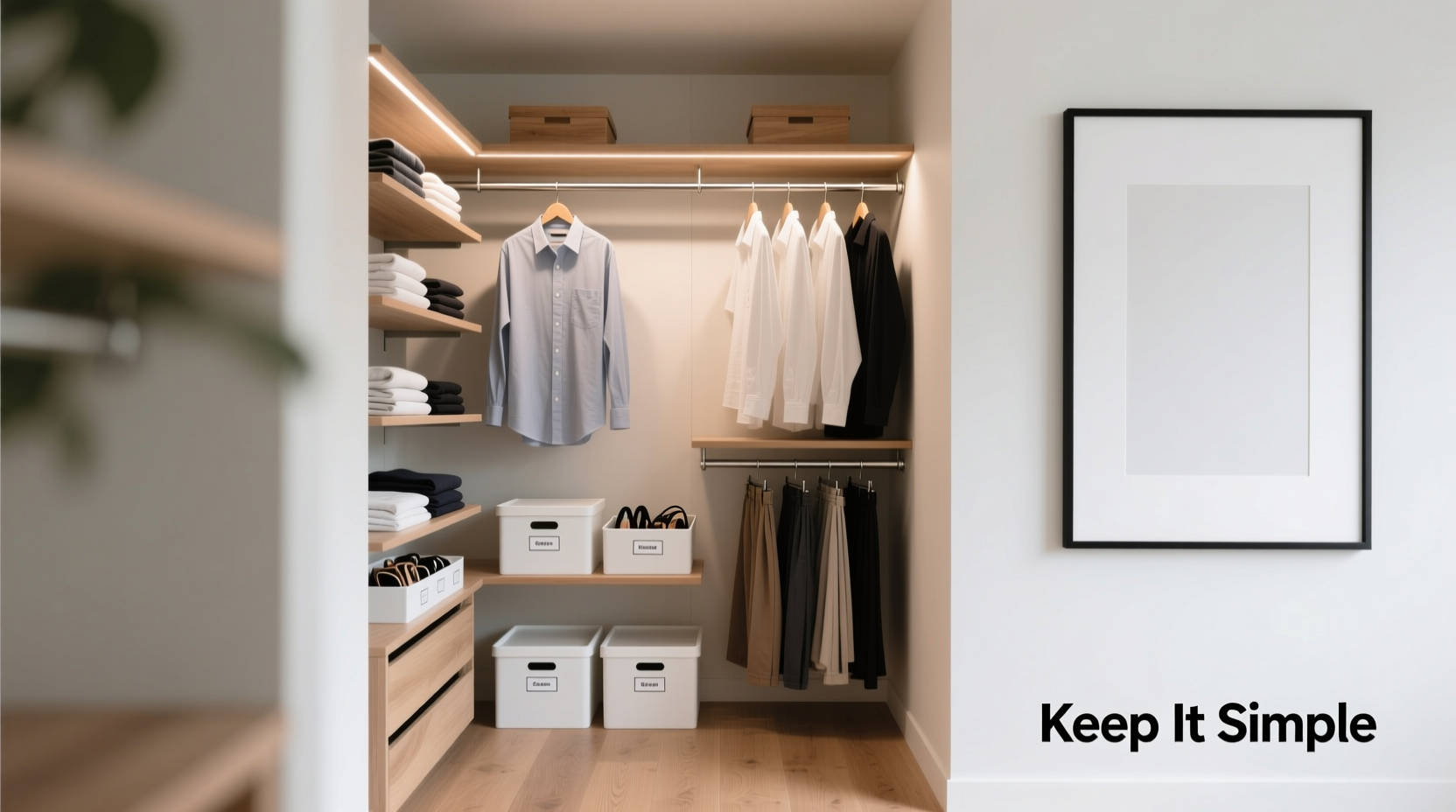
Before making any changes, take stock of what you’re working with. Measure the height between the upper and lower hanging rods. Standard double-hang closets typically feature an upper rod around 80 inches from the floor and a lower one at approximately 42 inches, leaving about 38 inches of usable space beneath the top rod—ideal for shirts, blouses, or folded stacks if used creatively.
Walk through your current inventory. Are both rods being used efficiently? Is the upper section filled with lightweight garments like dress shirts or blouses, while heavier items like jackets and jeans occupy the lower tier? Or are both levels overcrowded, forcing clothes to bunch and wrinkle?
Understanding your current usage patterns helps identify inefficiencies. For instance, placing long garments on the lower rod may waste valuable overhead space better suited for shorter items. Similarly, storing off-season clothing in prime real estate reduces accessibility for everyday wear.
Declutter Ruthlessly: The Foundation of Organization
No organizational system works if it’s built on excess. Start by removing everything from your closet. Yes, everything. This forces you to evaluate each item individually rather than relying on muscle memory or habit.
Sort your clothing into four categories: Keep, Donate/Sell, Store Seasonally, and Discard. Apply the “one-year rule”—if you haven’t worn it in the past 12 months and don’t have a specific upcoming need (e.g., formal event, pregnancy), let it go. Be especially critical of duplicates, ill-fitting pieces, or trend-driven purchases that never felt quite right.
For double-hang closets, prioritize versatility. Keep items that serve multiple purposes—a blazer that dresses up jeans or transitions to workwear—and release those that require excessive effort to style or maintain.
“Clutter isn’t just physical stuff—it’s outdated versions of your style, guilt-driven keepsakes, and fear of running out. Edit with intention.” — Lena Torres, Professional Organizing Consultant
Optimize Double Hanging Space Strategically
The dual-rod design is ideal for separating garment types by length and frequency of use. Follow these best practices to make the most of both levels:
Upper Rod: Short Items & Frequently Worn Pieces
Use the top rod for shorter garments such as blouses, dress shirts, skirts, and short jackets. Since this area is more visible and accessible, reserve it for daily-use items. Hanging frequently worn clothes at eye level reduces decision fatigue and streamlines morning routines.
Lower Rod: Longer Garments & Heavier Fabrics
The bottom rod should accommodate longer items like dresses, pants, and full-length coats. Because this section is harder to see and reach, avoid storing rarely used pieces here unless they’re too long for the upper tier. If possible, hang pants by the waistband using clip hangers to prevent creasing and save space.
Vertical Zoning for Maximum Efficiency
Think of your closet in vertical zones:
- Top Shelf (above upper rod): Store off-season clothing in breathable bins or luggage.
- Upper Hanging Zone: Daily wear tops and lightweight layers.
- Middle Zone (between rods): Ideal for folded stacks on shelves or cubbies—sweaters, tees, or handbags.
- Lower Hanging Zone: Pants, dresses, and outerwear.
- Floor Level: Shoes, storage baskets, or rolling bins.
Step-by-Step Guide to a Clutter-Free Double-Hang Closet
Follow this six-step process to transform your small closet into a model of efficiency:
- Empty the closet completely. Remove all clothing, shoes, and accessories. Clean shelves, rods, and baseboards.
- Sort and edit ruthlessly. Use the four-category method (Keep, Donate, Store, Discard) and be honest about usage.
- Group remaining items by category. Separate into tops, bottoms, dresses, outerwear, etc., then further by frequency of use.
- Assign zones based on access. Place everyday items at eye level; seasonal or occasional wear higher or lower.
- Hang strategically using uniform hangers. Slim, non-slip velvet hangers save space and prevent slippage.
- Add targeted storage solutions. Use shelf dividers, drawer units, or over-the-door organizers for small items.
This sequence ensures you build organization from the ground up, not just rearrange clutter.
Smart Storage Solutions for Small Spaces
Maximizing a compact closet requires creative use of every inch. Consider these space-saving tools:
| Solution | Best For | Tips |
|---|---|---|
| Sliding shelf dividers | Folded sweaters, t-shirts | Prevents stacks from toppling and keeps rows neat |
| Over-the-door shoe pockets | Scarves, belts, socks | Use clear pockets for visibility; avoid heavy boots |
| Hanging canvas organizers | Handbags, hats, workout gear | Hang behind the door or on unused wall space |
| Stackable bins | Off-season storage, undergarments | Label clearly; choose breathable fabric over plastic |
| Adjustable shelf risers | Creating extra layers on existing shelves | Ideal for doubling towel or sweater storage |
Remember: storage shouldn’t create more visual noise. Choose neutral colors and consistent materials—canvas, woven baskets, or matte bins—to maintain a calm, cohesive look.
Real Example: Transforming a Crowded Urban Closet
Sophie, a graphic designer living in a Brooklyn apartment, struggled with her 4-foot-wide reach-in closet. Despite having double hanging rods, she constantly battled wrinkled clothes and forgotten items buried at the back. After pulling everything out, she realized she was keeping nearly 40% of her wardrobe “just in case”—including maternity wear from three years prior and concert outfits never worn post-pandemic.
She donated 60 pieces, stored winter coats and holiday dresses in vacuum-sealed bags on the top shelf, and reorganized the rods: blouses and button-downs on the upper level, pants and midi-dresses below. She added a narrow pull-out shelf between the rods for folded cardigans and installed a slim over-the-door organizer for scarves and jewelry rolls.
Within a week, Sophie reported faster morning decisions, fewer wrinkles, and rediscovered favorite tops she’d forgotten existed. Her closet now supports her actual lifestyle—not an idealized version of it.
Do’s and Don’ts of Small Closet Organization
| Do’s | Don’ts |
|---|---|
| Use matching slimline hangers | Mix bulky wooden and wire hangers |
| Fold knitwear to prevent stretching | Hang sweaters long-term |
| Rotate seasonally every 3–4 months | Leave winter coats in summer |
| Label storage bins clearly | Use opaque boxes without labels |
| Leave 1–2 inches between garments | Pack clothes tightly to “save space” |
These guidelines help maintain airflow, visibility, and ease of access—critical in tight spaces where every movement counts.
Frequently Asked Questions
Can I convert the lower hanging rod to shelving?
Yes, but consider your clothing mix first. If you own mostly pants, dresses, or long coats, keep the lower rod. However, if you have many folded items (sweaters, jeans), replacing the lower rod with a shelf or pull-out drawer can improve functionality. Adjustable closet systems allow future flexibility.
How do I prevent the closet from getting messy again?
Build in maintenance habits: spend 5 minutes weekly straightening hangers, return items to their designated zones immediately after laundry, and perform a seasonal edit. Systems fail when they rely solely on motivation—design yours to be sustainable with minimal effort.
What’s the best way to store handbags in a small closet?
Store smaller bags inside one another on a shelf, stuff them with tissue to hold shape, and hang larger totes on hooks or in hanging organizers. Avoid stacking leather bags directly on top of each other to prevent scuffing.
Checklist: Your Small Closet Transformation Plan
- ☐ Empty entire closet contents
- ☐ Sort into Keep, Donate, Store, Discard piles
- ☐ Clean interior surfaces and hardware
- ☐ Measure hanging zones and plan garment placement
- ☐ Install uniform slim hangers
- ☐ Assign upper rod to short, frequently worn items
- ☐ Use lower rod for long garments and heavier fabrics
- ☐ Add shelf dividers or stackable bins for folded items
- ☐ Install over-the-door or hanging organizers for accessories
- ☐ Label all storage containers
- ☐ Perform quarterly review and edit
Conclusion: A Closet That Works for You
A small closet with double hanging space isn’t a limitation—it’s an invitation to refine your wardrobe and daily habits. By decluttering with purpose, assigning strategic zones, and using smart storage, you create a system that reduces stress, saves time, and honors the clothes you truly love. Organization isn’t about perfection; it’s about designing a space that reflects your real life, not an Instagram aesthetic. When your closet functions effortlessly, getting dressed becomes less of a chore and more of a choice aligned with who you are today.




 浙公网安备
33010002000092号
浙公网安备
33010002000092号 浙B2-20120091-4
Comments
No comments yet. Why don't you start the discussion?