
A small closet doesn’t have to mean limited functionality. With thoughtful planning and strategic organization, even the tiniest wardrobe space can hold everything you need—neatly, accessibly, and without visual chaos. The key lies not in expanding square footage but in rethinking how every inch is used. Whether your closet is a compact reach-in or an undersized walk-in, maximizing storage while minimizing clutter starts with a clear system, the right tools, and consistent habits.
Assess and Edit Your Wardrobe First
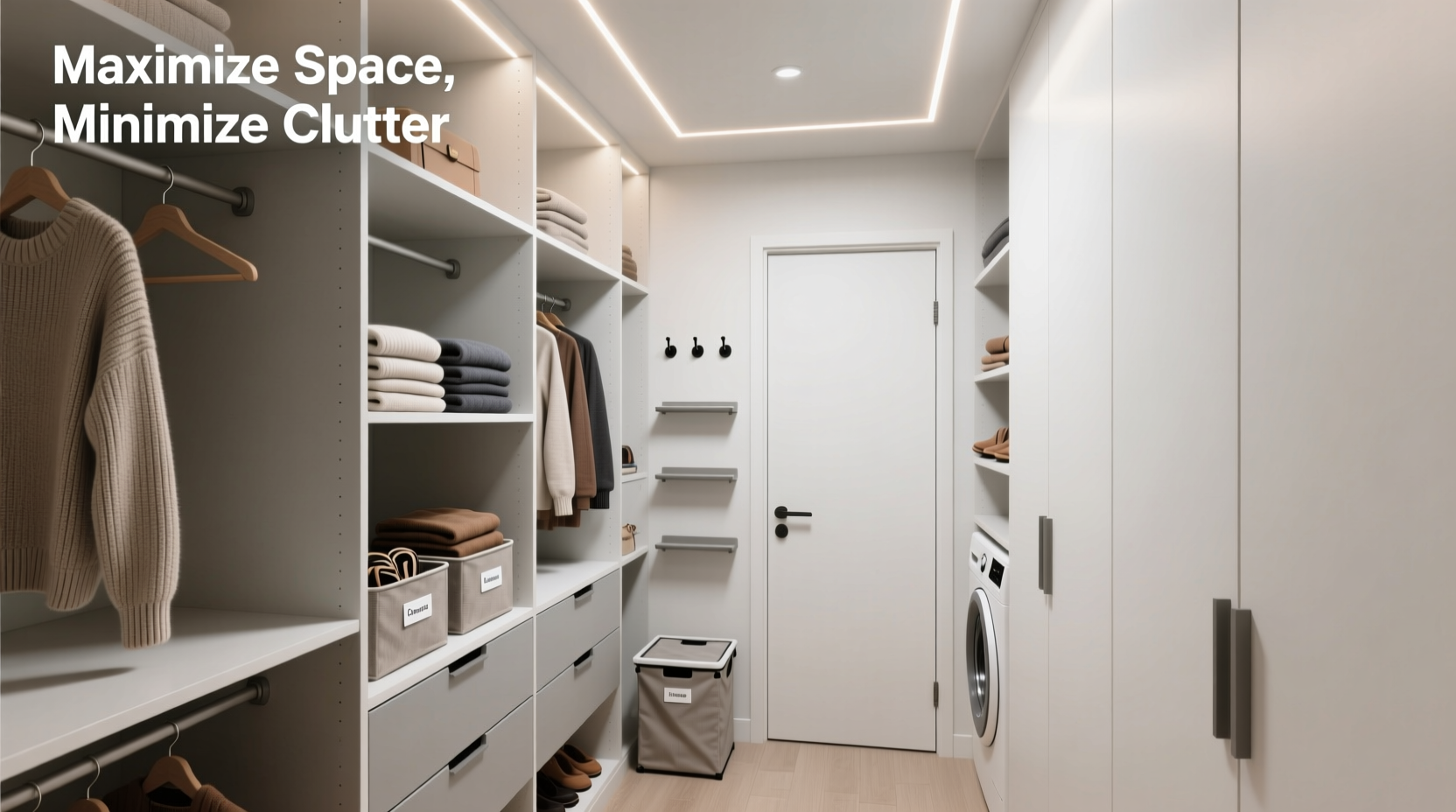
Before adding shelves or bins, begin with what’s already inside: your clothes, shoes, and accessories. A crowded closet often results from holding onto items that are rarely worn, no longer fit, or are duplicates. Start by removing everything. Yes, everything. This allows you to see exactly what you own and evaluate each piece objectively.
Use the “keep, donate, repair” method:
- Keep: Items you’ve worn in the past year, fit well, and align with your current lifestyle.
- Donate: Gently used pieces that no longer serve you.
- Repair: Clothes needing minor fixes—set a deadline to mend them within two weeks or let them go.
This purge isn’t just about freeing up space—it’s about clarity. Fewer items mean easier maintenance and less decision fatigue when getting dressed.
Create Zones for Better Functionality
Efficient closets function like miniature retail spaces—organized by category and frequency of use. Dividing your closet into designated zones makes retrieval intuitive and reduces mess.
Common zones include:
- Daily wear: Everyday tops, pants, dresses—placed at eye level.
- Occasion wear: Formal attire, seasonal pieces—stored higher or lower depending on use.
- Accessories: Belts, scarves, ties—grouped together for quick matching.
- Shoes and bags: Kept in dedicated spots near the floor or on shelves.
Zone placement should follow ergonomics. The most-used items belong between hip and shoulder height—the “golden zone.” Less frequently worn pieces can occupy upper shelves or low drawers.
“Closet organization is not about fitting more in—it’s about making what you have work better for you.” — Sarah Chen, Professional Organizer & Author of *The Minimal Home Guide*
Maximize Vertical and Hidden Space
Most people underutilize vertical space. Standard rod-and-shelf setups leave significant room above and below unused. Here’s how to reclaim every inch:
Double Hanging Rods
Install a second rod beneath the primary one to hang shorter items like shirts or blouses. The bottom rod can accommodate folded pants, skirts, or even children’s clothing if shared.
Over-the-Door Organizers
These aren’t just for shoes. Clear pocket organizers work well for scarves, socks, jewelry, or rolled belts. Choose ones with ventilation to prevent mustiness.
Adjustable Shelving
Fixed shelves limit flexibility. Opt for adjustable systems so you can adapt spacing as your wardrobe changes. For example, taller gaps for sweaters in winter, smaller ones for folded tees in summer.
Under-Shelf Baskets
Clip-on baskets add extra storage under existing shelves. Ideal for underwear, tank tops, or workout gear—items you want visible but contained.
Ceiling-Mounted Hooks
If wall and rod space is maxed out, consider lightweight ceiling hooks for hanging tote bags, robes, or seasonal outerwear.
| Space Area | Storage Solution | Ideal For |
|---|---|---|
| Top Shelf | Clear labeled bins | Off-season clothes, extra bedding |
| Floor | Stackable shoe boxes or cubbies | Shoes, handbags, laundry baskets |
| Behind Door | Pocket organizer or slim rack | Accessories, cleaning supplies |
| Walls | Command hooks or pegboards | Jackets, hats, frequently worn items |
| Under Rod | Rolling bin or fabric drawers | Sweaters, loungewear, gym clothes |
Smart Storage Solutions That Scale
The right containers make a dramatic difference. They protect contents, reduce visual noise, and create uniformity. However, not all organizers are created equal.
Use Uniform Containers
Mismatched bins create visual clutter, even if the contents are tidy. Stick to one color palette (white, beige, or translucent) and material (fabric, plastic, or woven). Label each bin clearly—either with tags or printed labels—for instant recognition.
Fold Strategically
Vertical folding, popularized by Marie Kondo, lets you see every item in a stack. Fold shirts, jeans, and sweaters vertically and store them in drawers or open bins like files in a cabinet. This prevents rummaging and keeps stacks stable.
Rotate Seasonally
Store off-season clothing out of the main closet—under the bed, in vacuum-sealed bags, or in a spare closet. This frees up prime real estate for what you’re actually wearing now.
Invest in Multi-Functional Hangers
Instead of single-item hangers, try tiered or cascading styles:
- Pants hangers: Hold 5–7 pairs vertically.
- Scarf/tie hangers: Feature loops or bars for multiple accessories.
- Cascading hangers: Allow multiple garments on one hook without slipping.
Step-by-Step Closet Transformation Timeline
Organizing a small closet doesn’t require a weekend overhaul. Break it into manageable steps over several days:
- Day 1: Empty and assess. Remove all contents. Clean shelves, rods, and baseboards. Wipe down walls and vacuum the floor.
- Day 2: Sort and edit. Go through each item using the keep/donate/repair method. Bag donations immediately to avoid second-guessing.
- Day 3: Plan zones. Sketch a simple layout. Decide where hanging, folding, and accessory areas will go based on your daily routine.
- Day 4: Install upgrades. Add shelf dividers, over-door organizers, or additional rods. Adjust shelf heights if needed.
- Day 5: Return items thoughtfully. Place clothes back by category and frequency. Use bins, baskets, and labeled containers.
- Day 6: Refine and test. Wear an outfit and note any friction points. Is something hard to reach? Misplaced? Adjust accordingly.
- Day 7: Maintain the system. Set a 10-minute weekly reset: straighten hangers, fold stray items, remove anything that doesn’t belong.
Mini Case Study: From Chaos to Calm in a NYC Studio Apartment
Maya, a graphic designer living in a 400-square-foot Manhattan studio, struggled with her 3x4-foot closet. It overflowed with clothes, shoes, and random items like holiday decor and old electronics. She avoided opening it, opting instead to drape clothes over chairs.
After a consultation with a professional organizer, she followed the seven-day plan. She donated 40% of her wardrobe, installed a double rod, added a slim over-the-door organizer for scarves, and used stackable bins for off-season items. She also began using vertical folding in shallow drawers.
Three months later, Maya reports getting dressed 15 minutes faster each morning. She hasn’t bought new clothes impulsively because she can actually see what she owns. Most importantly, the closet door stays open now—a small win that reflects a major shift in mindset.
Do’s and Don’ts of Small Closet Organization
| Do’s | Don’ts |
|---|---|
| Use slim, non-slip hangers to save space | Use bulky wire hangers that stretch clothes |
| Label bins and baskets clearly | Store items in unmarked boxes |
| Group by category, then by color | Mix formal and casual wear randomly |
| Leave breathing room between items | Overstuff shelves or rods |
| Review and edit quarterly | Wait until the closet is overflowing to clean |
Frequently Asked Questions
How can I organize a closet without drilling holes?
Many effective solutions are drill-free. Use over-the-door organizers, tension rods for hanging lightweight items, adhesive hooks, rolling carts, or freestanding shelving units. Look for furniture-grade cubes that fit within the closet footprint.
What’s the best way to store shoes in a small closet?
Stackable transparent boxes are ideal—they protect shoes and let you see each pair. Alternatively, use a slim shoe rack on the floor or hang a fabric shoe bag on the back of the door. Avoid stacking shoes directly on the floor, which traps dust and causes scuffing.
How often should I reorganize my closet?
Seasonal transitions are natural times to reassess. Every three months, take 20 minutes to edit, rotate, and realign your system. This prevents clutter buildup and ensures your space evolves with your needs.
Final Checklist: Build Your Optimized Closet
Follow this concise action list to ensure nothing is missed:
- Empty the entire closet and clean the interior
- Edit your wardrobe using the keep/donate/repair method
- Map out functional zones based on usage frequency
- Install space-saving upgrades (double rods, shelf dividers, etc.)
- Use consistent, labeled containers for folded items
- Adopt vertical folding for better visibility
- Utilize door, wall, and under-shelf space wisely
- Implement a weekly 10-minute maintenance habit
- Rotate seasonal items every quarter
- Reassess and refine the system every 3–6 months
Conclusion: A Small Closet Can Be a Powerful Asset
A small closet organized with intention becomes more than just storage—it transforms into a daily tool for ease, confidence, and calm. When everything has a place and is easy to find, getting dressed stops being a chore and starts feeling like self-care. The principles of smart zoning, vertical use, and disciplined editing apply regardless of space size. You don’t need a walk-in wardrobe to enjoy a streamlined, beautiful system.




 浙公网安备
33010002000092号
浙公网安备
33010002000092号 浙B2-20120091-4
Comments
No comments yet. Why don't you start the discussion?