
A small closet with only hanging rods presents a unique organizational challenge. Without shelves or drawers, it’s easy for clothes to pile up, wrinkle, or become inaccessible. Yet, even the most compact and basic closets can be transformed into efficient, functional spaces with thoughtful planning and strategic use of vertical space. The key lies in maximizing every inch, rethinking how garments are stored, and adopting systems that promote visibility and accessibility. This guide provides actionable methods to turn your limited hanging-only closet into a streamlined wardrobe hub.
Evaluate Your Current Inventory
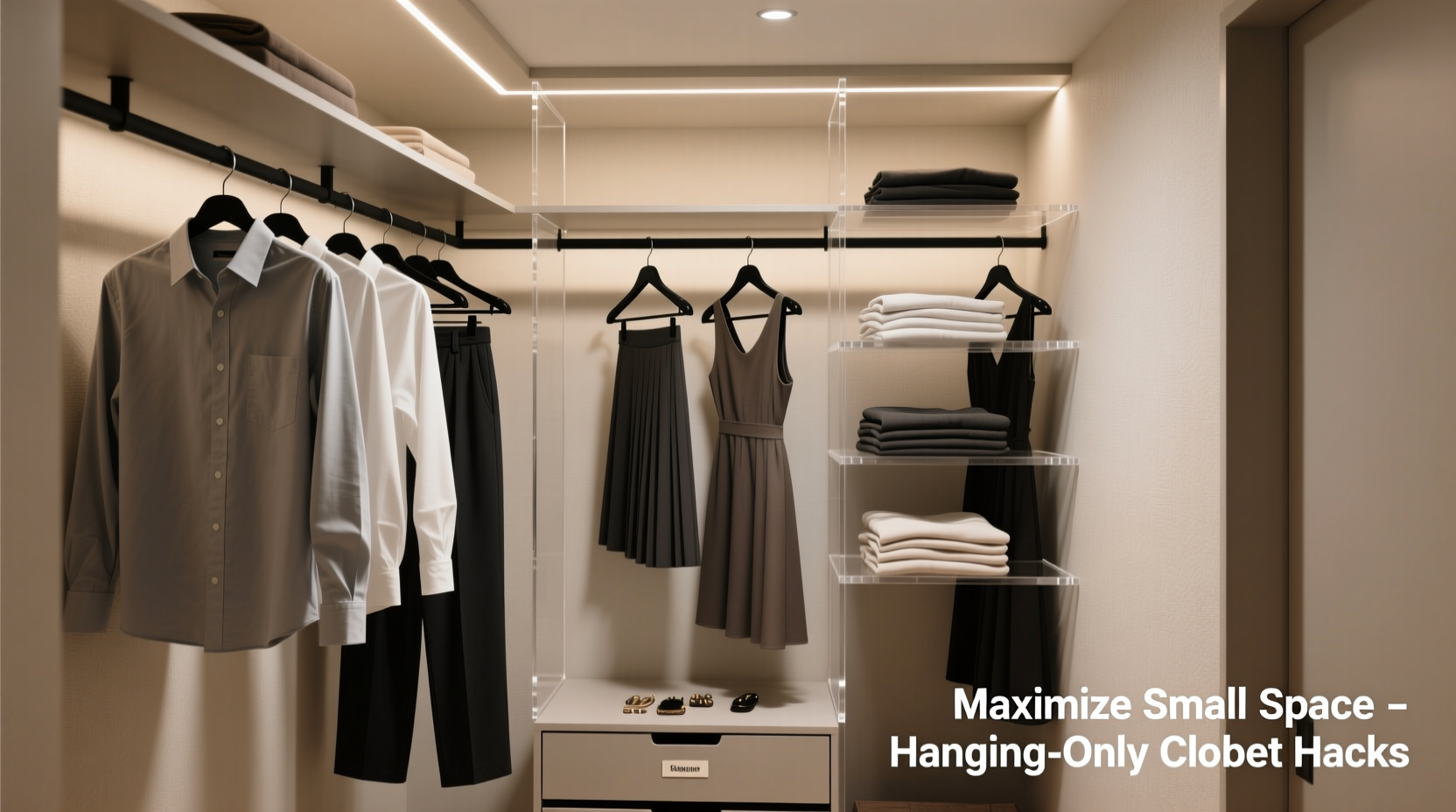
Before rearranging anything, assess what you actually own. Many people overestimate how much they wear and underestimate how much they store. Begin by removing everything from the closet. Sort items into three categories: keep, donate/sell, and reconsider. Be honest—clothes that haven’t been worn in over a year, no longer fit, or are damaged should not return to your daily rotation.
This step is critical because organizing clutter simply makes clutter look neater. A minimalist approach ensures that only useful, loved items occupy valuable hanging space. Once you’ve narrowed your collection, group similar items together: workwear, casual tops, dresses, outerwear, etc. This grouping will inform how you later zone your closet.
Create Functional Zones
Even in a small closet, zoning improves usability. Divide your hanging rod into designated sections based on frequency of use and clothing type. For example:
- Daily Wear Zone: Front and center area for shirts, blouses, and frequently worn pants.
- Outerwear Zone: One end reserved for jackets, coats, or cardigans.
- Specialty Zone: The other end for dresses, suits, or formal wear.
Zoning reduces decision fatigue and prevents overcrowding in high-use areas. If your rod runs the full width of the closet, consider installing adhesive labels or colored clips to mark zone boundaries visually. This subtle cue helps maintain order long-term.
“Closet organization isn’t about fitting more in—it’s about making what you have easier to access and enjoy.” — Lena Torres, Interior Organizer & Author of *The Minimal Wardrobe*
Maximize Vertical Space with Layered Hanging
With only hanging space available, vertical stacking becomes essential. Standard single-tier hanging wastes significant airspace above shorter garments. Instead, adopt layered hanging techniques to double or even triple usable capacity.
Use slim, non-slip hangers to maintain uniformity and prevent slippage. Then, hang shorter items like blouses or shirts at the front, and longer pieces like dresses or pants behind them. This creates a cascading effect, allowing each item to remain visible and reachable. For pants, consider clip-style hangers that hold multiple pairs vertically, folded over the bar to save length.
Another option is tiered hanging organizers—fabric units with multiple horizontal bars that attach over the existing rod. These allow you to hang several layers of clothing without needing additional hardware.
| Hanging Method | Best For | Space Efficiency | Accessibility |
|---|---|---|---|
| Single Tier (Standard) | Formal wear, long garments | Low | High |
| Cascading Hang | Mixed-length tops and dresses | Medium-High | Medium |
| Tiered Hanging Organizer | T-shirts, jeans, kids' clothes | High | Medium |
| Pant Clip Hanger | Pants, skirts, scarves | High | High |
Utilize Accessories to Expand Storage
No shelves? No problem. Freestanding and hanging accessories can add critical storage without permanent modifications. Consider these options:
- Over-the-door organizers: Clear pockets hold belts, scarves, socks, or folded tank tops. Choose lightweight models to avoid straining the door.
- Hanging shelf inserts: Mesh or fabric shelves that drape over the rod provide flat surfaces for folded sweaters, handbags, or shoes.
- Double-hang kits: Install a second rod below the original using ceiling-mounted brackets or tension poles. This instantly doubles hanging capacity.
- Stackable bins on the floor: Use under-clothing baskets for folded items like pajamas or gym clothes. Opt for breathable materials to prevent moisture buildup.
When selecting accessories, prioritize slim profiles and neutral colors to maintain a clean aesthetic. Avoid bulky containers that reduce walking space or block airflow.
Adopt a Smart Hanging Strategy
How you hang clothes matters as much as where you hang them. Follow these best practices to optimize both function and longevity:
- Face all hangers the same direction: After wearing and rehanging an item, reverse the hanger. At month’s end, identify rarely worn pieces by their forward-facing orientation.
- Use consistent hangers: Wooden or velvet-flocked hangers prevent slipping and maintain garment shape better than plastic or wire.
- Hang by category, then color: Within each zone, arrange items first by type (e.g., blouses, then shirts), then by color gradient (light to dark). This simplifies outfit selection.
- Leave breathing room: Avoid cramming; leave at least half an inch between items to reduce wrinkles and improve air circulation.
For delicate fabrics like silk or knits, use padded hangers to prevent shoulder bumps. Heavy items such as wool coats should be spaced apart to avoid rod sagging over time.
Step-by-Step Closet Transformation Timeline
Follow this realistic four-step process over one weekend to fully reorganize your small hanging-only closet:
- Day 1 – Evening (1 hour): Empty the closet completely. Sort all clothing into keep, donate, and repair piles. Wash or dry-clean items as needed.
- Day 2 – Morning (30 min): Wipe down the closet interior, vacuum the floor, and inspect the rod for stability.
- Day 2 – Afternoon (1.5 hours): Install any new accessories (over-door organizer, second rod, hanging shelf). Define zones and begin hanging clothes using the cascading method.
- Day 2 – Evening (30 min): Finalize arrangement, label zones if desired, and place floor bins. Step back and assess flow and accessibility.
This timeline prevents burnout and allows time for laundry or repairs. Completing the project in stages also lets you adjust your plan mid-process if something isn’t working.
Real-Life Example: Transforming a Studio Apartment Closet
Sophie, a graphic designer living in a 450-square-foot studio in Brooklyn, struggled with a shallow closet measuring just 36 inches wide and containing a single metal rod. With no shelves or drawers, her clothes were tangled, and she often wore the same few items out of frustration.
She applied the strategies above: first decluttering down to 40 core pieces, then installing a slim over-the-door organizer for accessories and a fabric tiered hanger for t-shirts. She used velvet hangers and arranged her clothes in cascading layers—shorter items in front, dresses behind. She added a narrow rolling bin for folded loungewear.
The result? She gained 60% more usable space, reduced morning decision time, and started wearing 90% of her wardrobe regularly. “I didn’t need more space,” she said. “I needed a smarter way to use what I already had.”
Common Mistakes to Avoid
- Using mismatched hangers: Bulky or varied hangers create visual chaos and waste space.
- Ignoring weight limits: Overloading a rod can cause it to bend or detach from the wall.
- Storing shoes on the floor without protection: Dust and moisture can transfer to hanging clothes above.
- Forgetting airflow: Stuffed closets trap humidity, leading to musty odors and mildew.
Regular maintenance—such as dusting, checking hanger alignment, and reassessing inventory every season—prevents regression into disarray.
Frequently Asked Questions
Can I add shelves without drilling?
Yes. Tension rods, freestanding shelving units that fit inside the closet, or hanging shelf inserts allow you to create shelf-like storage without damaging walls. Look for adjustable models to customize height.
How do I store folded clothes without shelves?
Use stackable fabric bins or low-profile baskets placed on the closet floor. Fold heavier items like sweaters using the KonMari method to stand upright, making them visible and easy to grab. Rotate stock seasonally to minimize floor clutter.
What’s the best way to organize a shared closet with only one rod?
Divide the rod horizontally—one side per person—and use color-coded hangers or labeled zones. Consider staggered hanging heights if there’s a significant difference in garment length. Communicate usage rules upfront to maintain balance.
Final Checklist: Organize Your Hanging-Only Closet
- ☐ Remove all items and sort ruthlessly
- ☐ Clean the closet interior and check rod stability
- ☐ Invest in uniform, slim hangers
- ☐ Define functional zones (daily wear, outerwear, etc.)
- ☐ Implement cascading or tiered hanging
- ☐ Add over-the-door or hanging organizers
- ☐ Install a second rod if possible
- ☐ Use floor bins for folded items
- ☐ Arrange by category and color
- ☐ Schedule a seasonal review every 3 months
Take Control of Your Small Closet Today
A small closet with only hanging space doesn’t have to limit your organization potential. By combining intentional editing, smart vertical layering, and clever accessories, you can create a system that works harder and looks better. The goal isn’t perfection—it’s sustainability. When your closet reflects clarity and purpose, getting dressed becomes effortless, and your favorite clothes get worn, not wasted.




 浙公网安备
33010002000092号
浙公网安备
33010002000092号 浙B2-20120091-4
Comments
No comments yet. Why don't you start the discussion?