
A cluttered pantry doesn’t just make grocery shopping frustrating—it can lead to wasted food, duplicated purchases, and daily mealtime stress. For those working with limited kitchen storage, turning a cramped pantry into an efficient, accessible space may seem impossible. But with smart strategies and intentional organization, even the smallest pantry can become a model of functionality. The key lies in rethinking layout, optimizing vertical space, using the right containers, and maintaining a system that’s easy to sustain.
Assess Your Space and Inventory
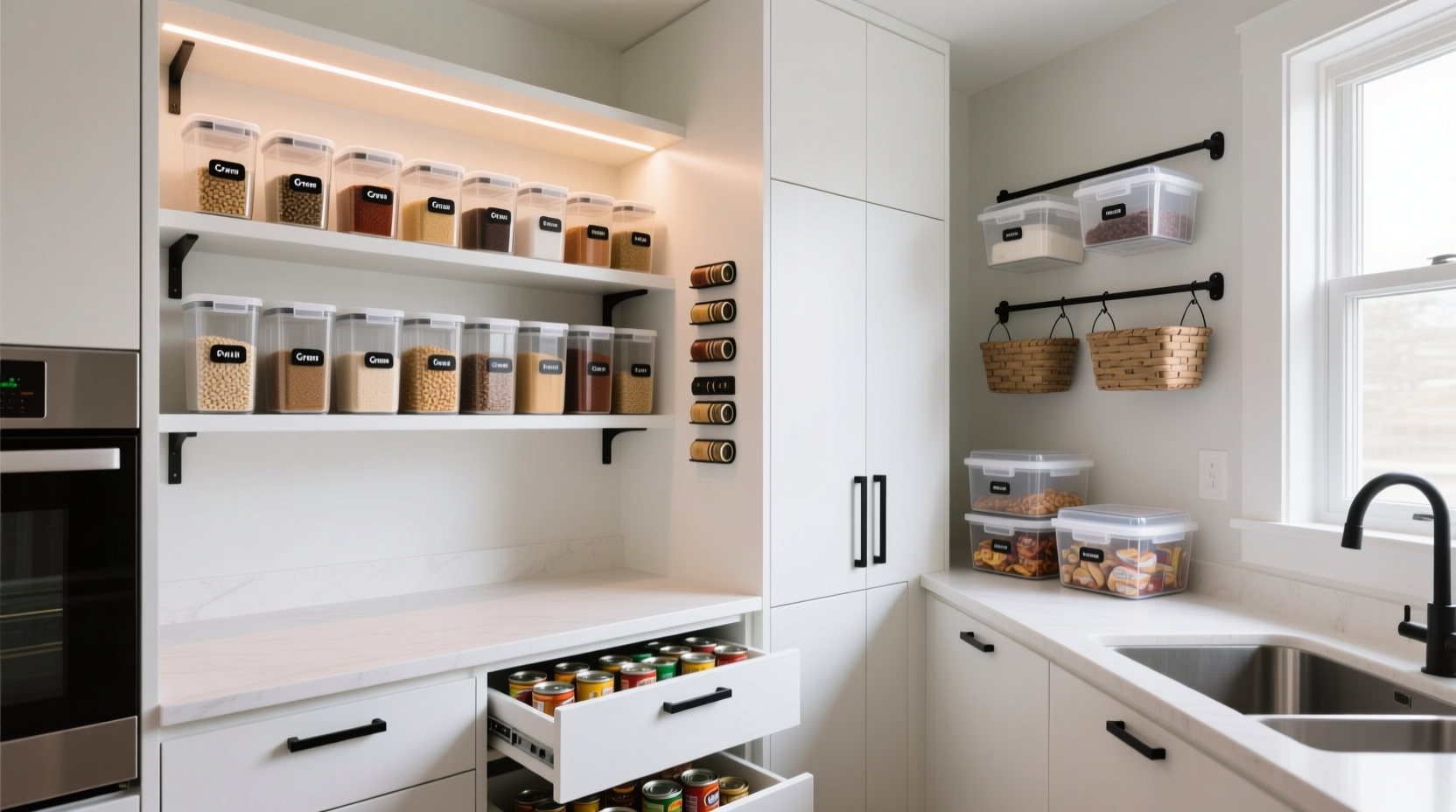
Before adding bins or installing shelves, take stock of what you have. Begin by emptying your entire pantry. This step reveals expired items, duplicates, and forgotten ingredients that have been hiding behind newer purchases. As you remove everything, sort items into categories: canned goods, baking supplies, snacks, pasta and grains, sauces, breakfast foods, and so on.
Use this opportunity to check expiration dates and discard anything past its prime. Donate unopened, non-perishable items you won’t use to a local food bank. Once cleared, measure your pantry dimensions—height, width, depth—and note shelf spacing. Knowing exact measurements ensures that any organizational tools you purchase will fit perfectly.
Maximize Vertical and Door Space
In a small pantry, floor space is limited, but vertical real estate is often underused. Install adjustable shelving to customize heights based on container size. Taller shelves accommodate bulkier items like cereal boxes or wine bottles, while shorter ones work well for spice jars or small cans.
Stackable bins are ideal for creating layers within a single shelf. Use them to group similar items—like coffee pods, tea bags, or individual oatmeal packets—so they don’t get lost behind larger containers. Clear, labeled bins allow quick identification without pulling everything out.
The back of the pantry door is another overlooked area. Over-the-door organizers with pockets or wire racks can hold spices, condiment packets, seasoning blends, or even small snack bars. Magnetic strips mounted inside the door can store metal spice tins or knife-shaped bottle openers.
“Vertical stacking and door-mounted solutions can increase usable pantry space by up to 40% in compact areas.” — Sarah Lin, Home Organization Consultant
Smart Container Strategies
Transferring dry goods from original packaging into uniform containers does more than create a clean look—it extends shelf life and prevents pests. Opt for airtight, BPA-free plastic or glass containers with secure lids. Choose square or rectangular shapes over round ones; they pack more efficiently and leave less wasted space between units.
Label every container clearly. Use a label maker, chalkboard stickers, or waterproof tape with permanent markers. Include both the contents and expiration date when applicable. This makes rotation easier and reduces guesswork during cooking.
For irregularly shaped items like potatoes, onions, or garlic, use breathable baskets or mesh bags stored on lower shelves. Avoid sealing these in airtight containers, as moisture buildup leads to spoilage.
| Item Type | Best Container | Avoid |
|---|---|---|
| Dry pasta, rice, flour | Airtight square plastic or glass | Original paper/cardboard packaging |
| Snacks (chips, crackers) | Clip-top or zip-seal containers | Open bags held with clips |
| Spices | Uniform jars with labels | Mismatched bottles in disarray |
| Canned goods | Turntable or tiered organizer | Piled randomly at the back |
| Potatoes/onions | Breathable basket or mesh bag | Plastic bags or sealed bins |
Step-by-Step Pantry Reorganization Guide
Follow this structured process to transform your pantry from chaotic to streamlined in one afternoon:
- Empty everything out – Remove all items from shelves and place them on a nearby counter or table.
- Sort by category – Group similar items together (e.g., baking, snacks, canned vegetables).
- Discard expired goods – Check dates and toss anything outdated or stale.
- Wipe down shelves – Clean surfaces with mild soap and water; let dry completely.
- Measure and plan zones – Assign dedicated areas: top shelf for infrequently used items, eye-level for daily staples, lower shelves for heavy or bulky goods.
- Select containers – Purchase clear, stackable, airtight options in consistent sizes.
- Transfer and label – Pour dry goods into containers and label with name and date.
- Install organizers – Add turntables, risers, baskets, or door racks where needed.
- Restock logically – Place items in their designated zones, with oldest in front (FIFO method).
- Create a maintenance routine – Schedule a 10-minute weekly check to tidy and restock as needed.
Real-Life Example: Transforming a 2x3-Foot Pantry
Jenna, a busy mother of two in Austin, Texas, struggled with a narrow walk-in pantry that measured just 2 feet wide and 3 feet deep. It was packed floor-to-ceiling with mismatched boxes, loose bags, and cans stacked precariously. She often bought duplicate items because she couldn’t see what she already had.
After reading about space-saving hacks, she spent a Saturday reorganizing. She installed two pull-out wire baskets on the lower half for cereal and snacks, added a tiered shelf insert for canned tomatoes and beans, and mounted a clear pocket organizer on the door for spice packets and gravy mixes. She transferred flour, sugar, and pasta into matching OXO POP containers and labeled each with a date.
The result? She reduced visible clutter by 70%, cut her weekly grocery bill by $25 due to fewer duplicates, and now spends less time searching for ingredients. “I can actually see everything now,” she said. “It feels like I gained three extra shelves.”
Essential Storage Hacks for Small Pantries
- Use shelf risers – Double your shelf capacity by creating a second level for smaller items like spice jars or tea boxes.
- Install under-shelf baskets – Hang wire or fabric bins underneath existing shelves to store lightweight items like wraps or foil.
- Group by meal type – Create kits for common meals: taco night (tortillas, seasoning, beans), pancake breakfast (mix, syrup, chocolate chips).
- Rotate stock using FIFO – First In, First Out means placing newer items behind older ones to prevent waste.
- Store lids separately – If using reusable containers, keep lids organized in a binder clip attached to the shelf edge or a small tray.
- Utilize wall-mounted rails – Pegboards or kitchen rails inside the pantry allow hooks for hanging measuring cups, aprons, or small baskets.
“The most effective pantries aren’t the biggest—they’re the ones designed around actual usage patterns.” — Marcus Reed, Kitchen Design Specialist
Checklist: Build Your Organized Pantry in One Afternoon
- Empty pantry completely
- Discard expired or unused items
- Wipe down all shelves and walls
- Measure shelf dimensions
- Sort items into categories
- Purchase clear, stackable containers
- Label all containers with contents and dates
- Install door organizers or lazy Susans
- Assign zones (baking, snacks, canned goods, etc.)
- Restock using FIFO principle
- Schedule a monthly review date
Frequently Asked Questions
How do I prevent my pantry from getting messy again?
Maintenance starts with consistency. Dedicate five minutes after grocery shopping to put items in their proper place. Conduct a quick scan once a week to straighten containers and check for expired goods. If a system feels too complicated, simplify it—fewer categories and fewer containers often lead to better long-term adherence.
Are glass containers better than plastic for pantry storage?
Glass offers superior durability, doesn’t absorb odors, and is more eco-friendly. However, it’s heavier and can break if dropped. Plastic containers are lighter, shatterproof, and often cheaper. For high-up shelves or homes with children, BPA-free plastic may be safer. Both work well if airtight and properly sealed.
What’s the best way to store bread in a small pantry?
Unless consumed within two days, bread should not be stored in a warm pantry. Instead, keep it in a cool, dark cupboard away from heat sources, or freeze slices in a resealable bag. If space allows, use a compact bread bin on a countertop or lower shelf, but avoid humid environments that promote mold.
Final Thoughts: Turn Constraints into Opportunity
A small pantry isn’t a limitation—it’s an invitation to design with intention. By applying strategic storage techniques, choosing the right tools, and organizing based on real-life usage, you can create a system that saves time, reduces waste, and simplifies daily routines. The goal isn’t perfection; it’s practicality. An organized pantry should serve you, not demand constant upkeep.
Start small. Pick one shelf to declutter today. Transfer a few staples into uniform containers. Add a simple turntable for sauces. Each change builds momentum toward a more functional kitchen. Over time, these small wins compound into lasting habits and a space that supports your lifestyle.




 浙公网安备
33010002000092号
浙公网安备
33010002000092号 浙B2-20120091-4
Comments
No comments yet. Why don't you start the discussion?