
Spices are the soul of flavor in any kitchen, but when they're buried behind cans or stacked in dim corners, their potential goes untapped. In a small pantry, limited space often leads to cluttered shelves where jars disappear into disarray. The result? Forgotten bottles, expired blends, and frustration every time you reach for cumin or paprika. The good news is that with intentional organization, even the tiniest pantry can be transformed into a functional, efficient spice hub. This guide walks through practical, tested methods to make every spice visible, accessible, and neatly stored—no renovation required.
Assess Your Current Spice Collection
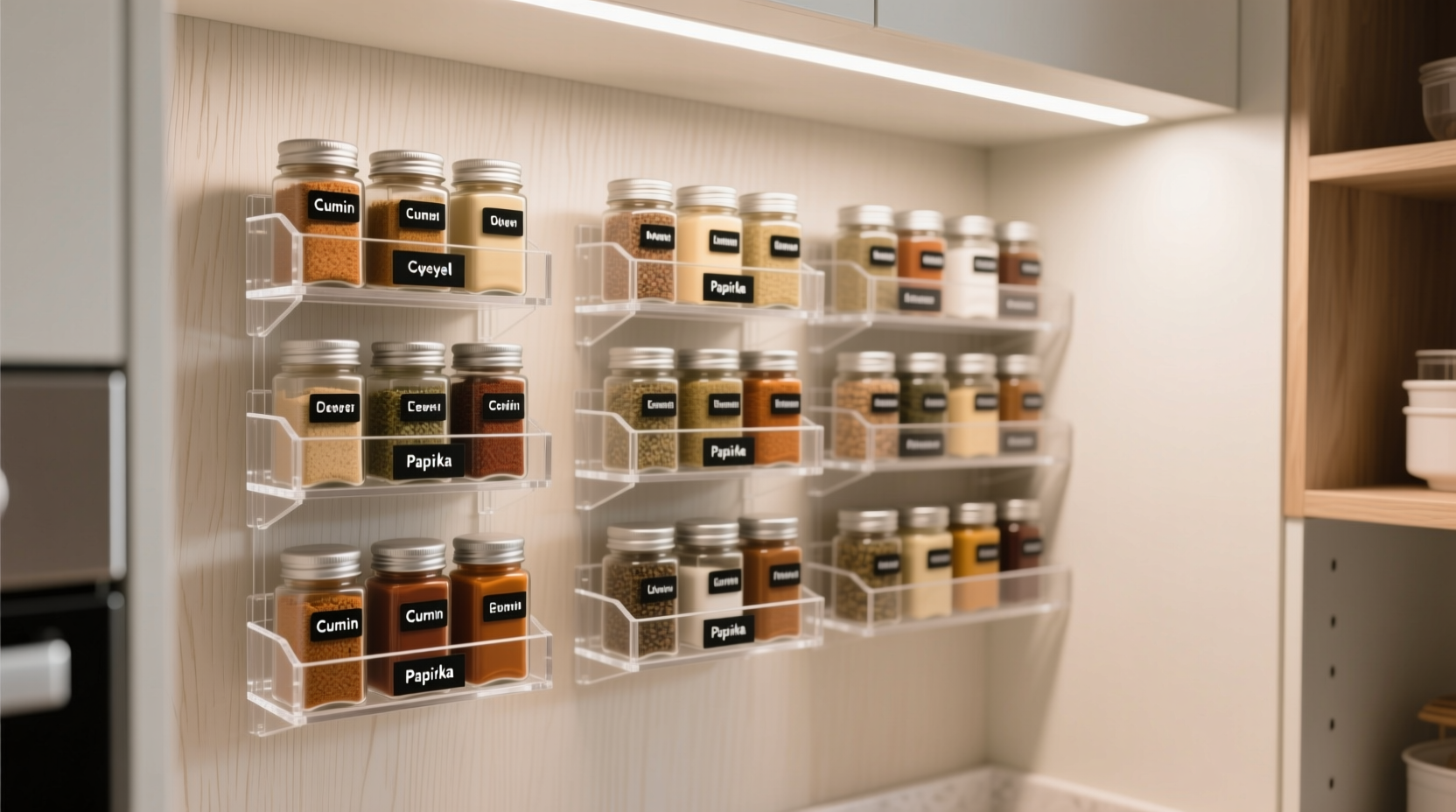
Before reorganizing, take stock of what you have. Pull every spice from your pantry and place them on a clean surface. As you do, check expiration dates. Most ground spices lose potency after 2–3 years, while whole spices can last up to 4. Discard anything stale, clumped, or odorless. You may find duplicates or bottles you’ve never opened—this is the moment to streamline.
Group spices by category: baking (cinnamon, nutmeg), savory (oregano, thyme), heat (cayenne, chili flakes), and international (curry powder, garam masala). This step isn’t just about cleaning; it’s about understanding your cooking habits. If you use Italian herbs daily but rarely touch saffron, prioritize front-and-center placement for the former.
Create a Smart Storage System
Visibility starts with storage. In a small pantry, vertical space is gold. Avoid stacking jars unless they’re in a tiered organizer. Instead, consider these options:
- Turntables (Lazy Susans): Ideal for deep shelves. Place frequently used spices on a rotating tray so everything stays within reach.
- Drawer inserts: If your pantry has drawers, use adjustable dividers to hold spice bottles upright and labeled side out.
- Magnetic strips: Mount a stainless steel strip inside the pantry door. Attach small magnetic tins for a flat, space-saving display.
- Stackable acrylic bins: These allow you to group spices by cuisine or frequency of use while keeping labels visible from the front.
For maximum efficiency, standardize container sizes. Transfer spices from bulky retail packaging into uniform glass or plastic jars with shaker lids. Not only does this create visual harmony, but it also ensures consistent spacing on shelves.
Step-by-Step Guide: Building a Tiered Shelf System
- Measure the depth of your pantry shelf.
- Select or build small risers (1–2 inches high) to create staggered levels.
- Place taller items (like oil bottles) at the back, shorter spice jars in front.
- Arrange in order of use—daily spices on lower tiers, occasional ones above.
- Secure risers with non-slip pads if needed.
This setup mimics grocery store displays, where products face forward and nothing hides behind another. A $5 acrylic riser can double your visible storage capacity.
Labeling for Instant Recognition
A well-labeled spice is a quickly found spice. Even if you recognize your cumin by its color, someone else in the household might not. Use clear, bold labels with large fonts. Consider including both the name and purchase date.
For a cohesive look, use a label maker or printable sticker sheets. Black text on white background offers the highest readability. If you're using transparent containers, print labels to stick on the lid top—this allows identification even when viewed from above.
| Labeling Method | Pros | Cons |
|---|---|---|
| Chalkboard stickers | Reusable, customizable | Can smudge, hard to read in low light |
| Printed vinyl labels | Durable, professional look | Requires printer, less flexible |
| Handwritten tags | Quick, personal touch | Inconsistent, may fade |
| Lid-top labels | Visible from above, saves shelf space | Only works with wide-lid jars |
Maximize Door and Wall Space
The interior of the pantry door is prime real estate often left unused. Install over-the-door organizers with clear pockets designed for spices. Each pocket holds one or two jars, and the transparency lets you see contents at a glance.
Alternatively, add narrow shelving or pegboards to the side walls of the pantry. Pegboards allow customization—you can move hooks and baskets as your collection changes. Small wire baskets clipped to pegs work well for holding spice tins or mini jars.
If your pantry lacks internal walls, consider adhesive-backed metal strips. Stick them to the side panel and pair with magnetic containers. This method keeps spices off shelves entirely, freeing up space for bulk goods.
“Efficiency in a small pantry comes from thinking in three dimensions. Don’t just use shelf space—use doors, sides, and vertical layers.” — Maria Tran, Kitchen Organization Consultant
Real Example: Transforming a 2x3 Foot Pantry
Sarah, a home cook in Chicago, struggled with her narrow walk-in pantry. Spices were crammed onto one shelf, with newer bottles pushed to the back. After six months of meal prep frustration, she redesigned the space using these principles.
She installed a lazy Susan on the middle shelf for everyday spices like garlic powder and black pepper. On the door, she mounted a double-tier over-the-door rack for baking spices. Rarely used items like sumac and cardamom went into stackable bins on the top shelf, labeled with printed tags. She added a small LED motion-sensor light inside, which illuminated the back corners when the door opened.
The change took under three hours and cost $45. Now, Sarah says she uses 30% more of her spice collection simply because “I can finally see what I have.”
Checklist: Organize Your Spice Pantry in One Afternoon
- Remove all spices from the pantry
- Discard expired or unusable items
- Group spices by type or frequency of use
- Transfer to uniform, labeled containers
- Install tiered shelves, turntables, or door racks
- Arrange spices with labels facing forward
- Add lighting if visibility is poor
- Test accessibility—can you reach everything without moving other items?
Common Mistakes That Hide Your Spices
Even with good intentions, small errors can sabotage organization. Watch out for these pitfalls:
- Keeping original packaging: Tall, narrow boxes block views and waste space.
- Over-purchasing bulk spices: Unless you cook in volume, large containers sit unused and take up disproportionate room.
- Ignoring height variation: Mixing short jars with tall bottles without risers creates blind spots.
- Clustering by brand instead of use: Grouping all McCormick together doesn’t help if you need paprika and cumin in the same recipe.
Instead, design around function. Ask: “When I’m cooking, what do I reach for first?” Place those items at eye level and arm’s height.
Frequently Asked Questions
Can I store spices in the refrigerator to extend shelf life?
No. Refrigeration introduces moisture, which can cause clumping and mold. Store spices in a cool, dry, dark place—away from the stove, dishwasher, or sink. Pantry shelves are ideal if they’re not exposed to heat or humidity.
What’s the best way to organize loose spice bags?
Transfer them to rigid containers immediately. Paper or plastic bags slump, tear, and hide labels. If you must keep them bagged, clip them to a binder ring with a label tag or insert into a magazine file box stored vertically.
How often should I reorganize my spice pantry?
Twice a year is ideal—once in spring and again in fall. Use these sessions to check expiration dates, wipe down shelves, and adjust layout based on seasonal cooking habits.
Final Thoughts and Call to Action
Organizing a small pantry so you can actually see all your spices isn’t about perfection—it’s about practicality. When every bottle has a place and a purpose, cooking becomes faster, more enjoyable, and more creative. You’ll stop guessing what you have and start using what you’ve got. The systems outlined here don’t require special skills or expensive tools. With a few simple upgrades and a clear plan, your pantry can go from chaotic to crystal clear in a single afternoon.




 浙公网安备
33010002000092号
浙公网安备
33010002000092号 浙B2-20120091-4
Comments
No comments yet. Why don't you start the discussion?