
In compact kitchens, the pantry often becomes a cluttered catch-all for dry goods, snacks, and forgotten condiments. Without intentional design, even a well-stocked pantry can feel chaotic and inefficient. The key to transforming a cramped space into a functional hub lies in one powerful principle: vertical organization. By shifting focus from floor-level storage to wall-to-ceiling utilization, homeowners can unlock hidden capacity, improve accessibility, and maintain order—regardless of square footage.
Maximizing vertical space isn’t just about stacking items higher—it’s about designing zones, leveraging depth, and using tools that turn unused air into usable storage. With thoughtful planning and practical upgrades, even the narrowest pantry can hold more while looking streamlined and easy to navigate.
Assess Your Current Pantry Layout
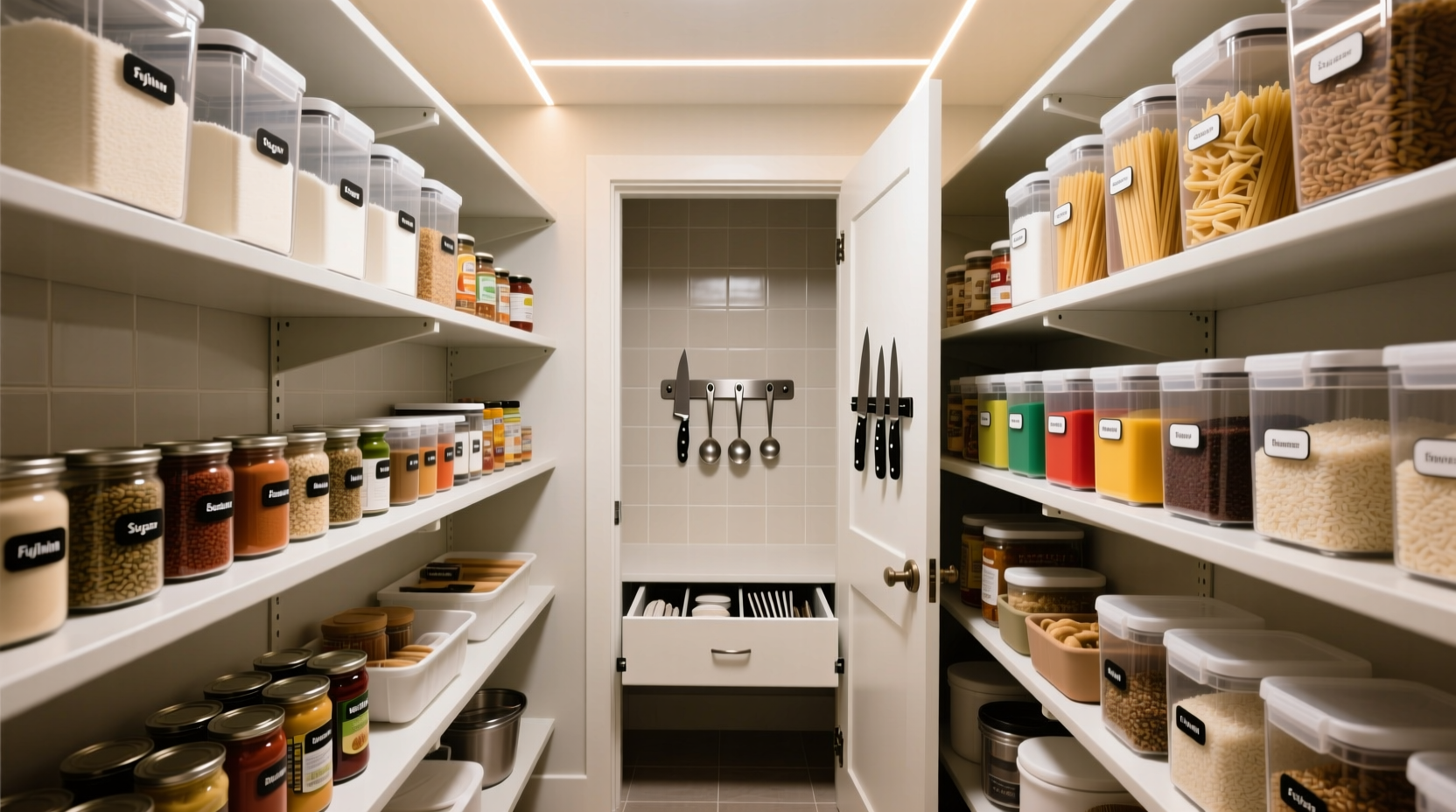
Before adding shelves or bins, take time to evaluate what you’re working with. Begin by removing everything from the pantry. This allows you to see the full dimensions, clean surfaces, and assess structural features like door swing, lighting, and existing shelving.
Measure the height, width, and depth of your pantry. Note any obstructions such as hinges, pipes, or electrical outlets. Pay special attention to the vertical clearance from floor to ceiling—this number determines how many layers of storage you can realistically install.
Next, categorize your inventory. Group similar items: baking supplies, canned goods, pasta, snacks, breakfast foods, spices, oils, etc. As you sort, discard expired products and consolidate duplicates. This step reduces visual clutter and helps define how much space each category needs.
Once cleared and cleaned, stand back and observe the empty space. Is there unused area above or below current shelves? Does the door remain underutilized? These are prime targets for vertical optimization.
Install Adjustable and Tiered Shelving
Fixed shelves often waste valuable vertical inches. To truly maximize space, replace rigid units with adjustable shelving systems. These allow you to customize shelf heights based on item size—tall bottles below, spice jars above—and adapt over time as storage needs evolve.
Consider installing deep, pull-out shelves near the bottom for heavier items like flour, rice, or pet food. Mid-level shelves work best for everyday staples: cereals, canned vegetables, pasta boxes. Reserve upper shelves for lightweight, infrequently used items such as party supplies or seasonal ingredients.
To prevent items at the back from disappearing into oblivion, incorporate tiered shelf risers. These angled platforms elevate smaller containers, making them visible and accessible without constant rearranging. They’re especially effective for spice jars, tea bags, or snack packs.
| Shelf Zone | Recommended Items | Height Clearance |
|---|---|---|
| Floor to 18\" | Heavy appliances, bulk bins, large bottles | 12–15 inches |
| 18\"–48\" | Daily-use groceries, canned goods, grains | 10–12 inches |
| 48\"–72\" | Spices, oils, snacks, baking supplies | 6–8 inches (with risers) |
| Above 72\" (top shelf) | Infrequent use items, overflow storage | 8–10 inches |
For pantries with high ceilings, consider adding a secure ladder or rolling stool to access top shelves safely. Alternatively, use this zone for clearly labeled, stackable bins that can be pulled down only when needed.
Utilize Door and Wall Space Strategically
The interior of the pantry door is one of the most underused real estate opportunities. Installing over-the-door organizers instantly adds multiple layers of storage without occupying floor or shelf space. Choose models with clear pockets, wire baskets, or magnetic strips depending on your needs.
- Clear vinyl pockets work well for spice packets, seasoning blends, or recipe cards.
- Metal wire racks hold spray bottles, olive oil, or vinegar elegantly.
- Magnetic strips securely store metal spice tins within easy reach.
Don’t stop at the door—explore the side walls too. Adhesive-mounted rails or pegboards allow modular hanging of baskets, hooks, or small shelves. These are ideal for storing measuring cups, reusable bags, or frequently used kitchen tools.
“Every inch counts in a small pantry. I always recommend using both sides of the door and installing vertical rails inside the cabinet frame.” — Lena Torres, Professional Home Organizer & Founder of SpaceWise Living
If your pantry has a blank wall section, consider adding floating shelves or a narrow tower unit. These provide additional display and storage areas while maintaining airflow and visibility.
Optimize Storage with Uniform Containers and Stackable Bins
Transferring dry goods into consistent, airtight containers does more than create a clean aesthetic—it enhances stackability and protects food from moisture and pests. Choose square or rectangular containers over round ones; they fit together tightly and make better use of shelf edges.
Invest in nesting containers for items like pasta, lentils, or coffee beans. Stackable designs save vertical space and prevent toppling. Clear containers let you see contents immediately, reducing duplicate purchases.
For oddly shaped or bulky items, use collapsible bins or fabric baskets. These can be folded when not in use and adjusted to fit different shelf depths. Assign specific bins to categories—e.g., “baking essentials” or “kids’ snacks”—to maintain consistency.
When stacking, follow the “lighter on top” rule. Heavy items belong on lower shelves for safety and ease of access. Avoid stacking more than three containers high unless they are interlocked or stabilized.
Step-by-Step Guide to Containerizing Your Pantry
- Empty and clean all shelves. Wipe down surfaces and inspect for pests or spills.
- Categorize all dry goods. Group by type: grains, sugars, flours, snacks, etc.
- Choose appropriately sized containers. Match container volume to average usage (e.g., weekly flour vs. monthly oats).
- Transfer items and label clearly. Include expiration dates if applicable.
- Arrange by frequency of use. Daily items at eye level; backups higher up.
- Add labels to shelves (optional). Use shelf tags to designate zones for quick returns.
Real-Life Example: Transforming a 2x3-Foot Pantry
Sarah, a homeowner in Seattle, struggled with a shallow walk-in pantry measuring just 2 feet wide and 3 feet deep. Despite its small footprint, her family of four relied on it for nearly all non-refrigerated food. After months of frustration, she reorganized using vertical principles.
She removed fixed shelves and installed a custom adjustable system with five levels. A pull-out bin was added at the base for potatoes and onions. Mid-levels held labeled glass jars for rice, pasta, and sugar. Above them, tiered risers displayed spice jars and tea boxes.
The interior door received a double-sided organizer: one side for oils and sprays, the other for seasoning packets. Magnetic strips were mounted on the side wall for metal spice tins. Finally, a narrow over-shelf basket was placed at the top for holiday baking supplies.
The result? Sarah gained 40% more usable space, reduced grocery waste due to better visibility, and cut meal prep time by locating ingredients faster. Her children could now independently find snacks thanks to clear bins and picture labels.
Common Mistakes That Waste Vertical Space
Even with good intentions, certain habits undermine efficient vertical organization. Watch out for these common pitfalls:
- Overloading upper shelves: Placing heavy items out of reach creates safety risks and discourages use.
- Ignoring depth: Deep shelves cause items to get lost behind others. Use shelf dividers or front-facing arrangements.
- Using mismatched containers: Random shapes and sizes reduce stacking efficiency and create gaps.
- Skipping labeling: Unmarked bins lead to confusion and repeated opening.
- Blocking access paths: Poorly placed baskets or doors can restrict movement and limit usability.
“Vertical space is useless if it’s inaccessible. Design for human behavior, not just maximum capacity.” — Lena Torres
Checklist: Maximize Your Pantry’s Vertical Potential
Action Plan:
- ✅ Empty and deep-clean the pantry
- ✅ Measure total height and identify dead zones
- ✅ Install adjustable shelving with varied spacing
- ✅ Add tiered risers for small items
- ✅ Mount organizers on door and side walls
- ✅ Transfer dry goods into uniform, stackable containers
- ✅ Label all bins and shelves clearly
- ✅ Store heaviest items at the bottom
- ✅ Reserve top shelf for occasional-use items
- ✅ Review and adjust quarterly
Frequently Asked Questions
Can I maximize vertical space without remodeling?
Absolutely. You don’t need permanent changes to gain efficiency. Over-the-door racks, stackable bins, shelf risers, and adhesive-mounted rails can be installed without drilling or construction. Even rearranging existing shelves to create taller zones can free up room.
What if my pantry has low ceilings?
Even pantries under 7 feet tall benefit from vertical thinking. Focus on optimizing between-eye-level and shoulder-height zones where access is easiest. Use slim pull-out drawers, turntables, and sliding baskets to enhance reachability without going upward. Prioritize functionality over height.
How do I keep items from falling off high shelves?
Install shelf lips or edge guards to prevent containers from slipping. For extra security, use non-slip shelf liners. Avoid overfilling or stacking unstable items. If possible, place rarely used items in lidded bins that stay in place until needed.
Conclusion: Turn Limitations Into Opportunities
A small pantry doesn’t have to mean limited storage. By embracing vertical organization, you transform constraints into clever design challenges. Every inch—from floor to ceiling, door to wall—can contribute to a smarter, more efficient system. The goal isn’t just to fit more, but to make everything easier to find, use, and maintain.
Start today by clearing out what you don’t need, assessing your available height, and choosing solutions that align with your cooking habits. Whether you live in a studio apartment or a suburban home, a well-organized pantry saves time, reduces waste, and brings calm to daily routines.




 浙公网安备
33010002000092号
浙公网安备
33010002000092号 浙B2-20120091-4
Comments
No comments yet. Why don't you start the discussion?