
A small pantry doesn’t have to mean limited functionality. With thoughtful planning and strategic organization, even the most compact storage space can become a highly efficient hub for your kitchen essentials. The key lies in optimizing every inch of vertical and horizontal real estate while ensuring that frequently used items remain easily accessible. Whether you’re working with a reach-in closet, a narrow cabinet, or a shallow pull-out drawer, this guide provides actionable strategies to transform clutter into clarity—without requiring a renovation.
Assess Your Current Pantry Usage
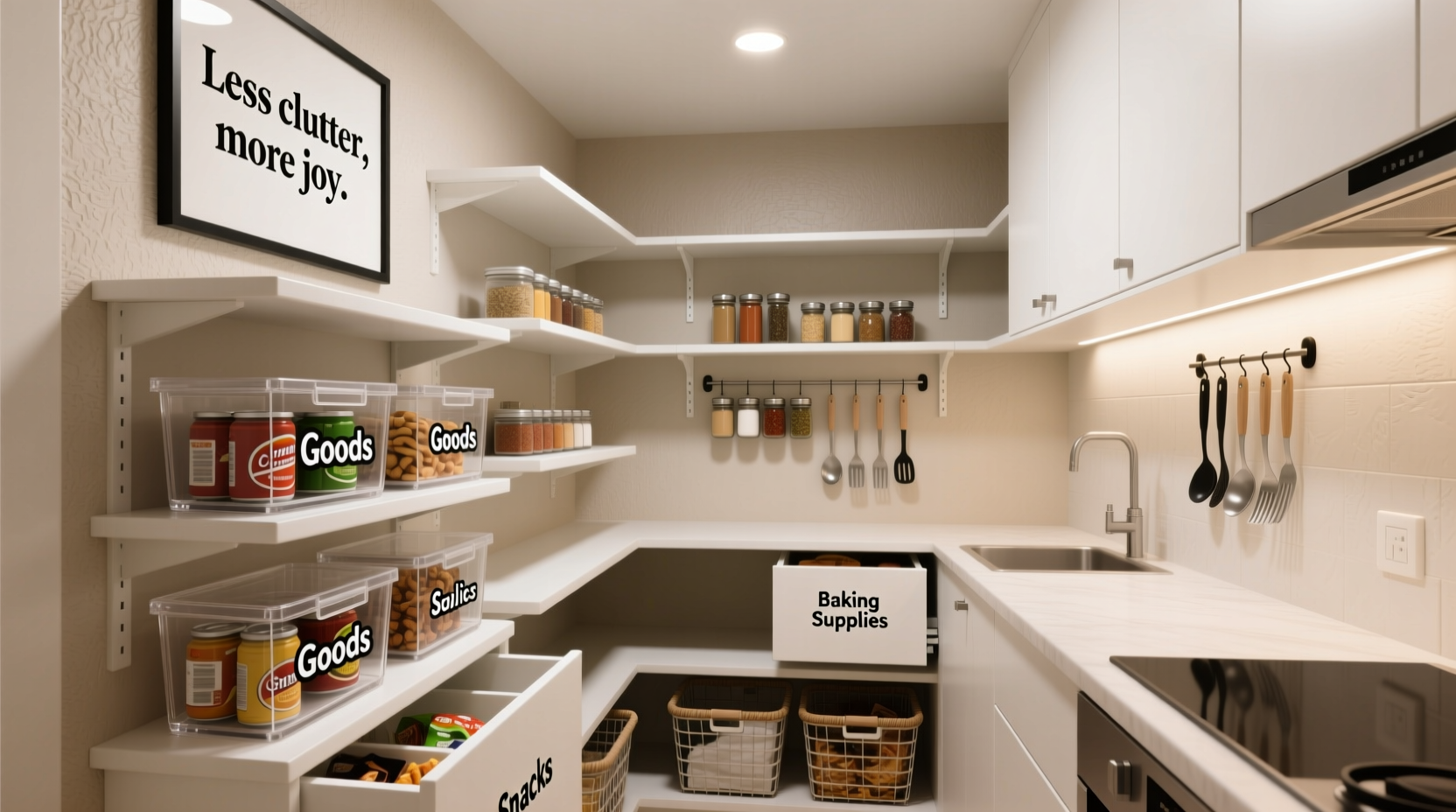
Before making any changes, take stock of what you currently store and how you use the space. Many people assume they need more shelves when the real issue is inefficient categorization or poor placement of items. Start by removing everything from your pantry. This allows you to clean the interior thoroughly and evaluate each item’s necessity, expiration date, and frequency of use.
Categorize items into groups such as baking supplies, canned goods, snacks, breakfast foods, oils and condiments, and pasta/rice. As you sort, discard expired products and consolidate duplicates. This process not only reduces visual clutter but also reveals patterns in your consumption habits—helping you design a layout that supports your actual needs rather than idealized assumptions.
Design a Functional Layout by Zone
Efficient pantries operate on the principle of zoning—grouping similar items together based on usage and accessibility. A well-zoned pantry reduces search time and prevents overbuying due to forgotten stock. For small spaces, consider dividing your pantry into three primary zones:
- Everyday Essentials Zone: Reserve eye-level and front-facing areas for daily-use items like coffee, cereal, cooking oil, and spices.
- Heavy & Bulk Storage Zone: Place heavier items like large bags of flour, pet food, or beverages on lower shelves to maintain stability and reduce strain when lifting.
- Backstock & Long-Term Storage Zone: Utilize higher or deeper shelves for reserve items, infrequently used appliances, or seasonal ingredients.
Zoning ensures that the most accessed items are easiest to reach, minimizing unnecessary movement and maximizing convenience. In tight spaces, rotating stock becomes easier when new purchases are placed behind older ones—a practice known as FIFO (First In, First Out).
Step-by-Step Guide: Reorganizing Your Small Pantry
Follow this logical sequence to systematically overhaul your pantry without feeling overwhelmed:
- Empty completely: Remove all contents and wipe down shelves, walls, and baseboards.
- Sort and purge: Group items by category; discard expired goods and donate unopened surplus.
- Measure your space: Record shelf height, depth, and width to inform container choices.
- Plan zones: Assign areas based on frequency of use and weight considerations.
- Invest in organizers: Choose stackable bins, tiered shelves, door racks, and clear containers.
- Label everything: Use consistent labeling to maintain order and aid household members.
- Restock mindfully: Place items according to zone logic, prioritizing accessibility and visibility.
- Evaluate weekly: Adjust placements after one week of use to refine workflow.
This methodical approach prevents haphazard decisions and builds long-term sustainability into your system.
Maximize Vertical and Door Space
In small pantries, floor-to-ceiling utilization is non-negotiable. Many homeowners overlook vertical potential, leaving valuable inches unused above or below standard shelving. Consider these tactics:
- Add adjustable shelf risers to create double-decker storage for spices, sauces, or snack packs.
- Install under-shelf baskets to hold lightweight items like tea bags or seasoning packets.
- Use tension rods vertically to corral cutting boards, trays, or baking sheets in narrow pantries.
- Mount slim pull-out drawers or slide-out wire baskets for deep shelves to eliminate “black hole” zones.
The pantry door is another prime location often left bare. Over-the-door organizers with clear pockets can house spice packets, drink mixes, wraps, or small tools like measuring spoons. Magnetic strips affixed inside the door hold metal spice tins or knife strips, freeing up shelf space.
| Space Type | Recommended Organizer | Ideal For |
|---|---|---|
| Door Front | Clear pocket organizer | Snack bars, seasoning sachets, tea bags |
| Shelf Top | Tiered shelf riser | Canned goods, jars, small boxes |
| Deep Interior | Slide-out basket | Pasta, grains, backup staples |
| Wall Side | Magnetic strip or rail | Spice tins, measuring cups, utensils |
| Floor Base | Rolling cart or bin | Bulk items, pet food, potatoes/onions |
Select the Right Containers for Visibility and Uniformity
Transferring dry goods into uniform, labeled containers does more than enhance aesthetics—it improves inventory control and deters pests. Opt for airtight, BPA-free plastic or glass containers with secure lids to preserve freshness and prevent spills.
For small pantries, square or rectangular containers stack better than round ones, minimizing wasted corner space. Clear fronts allow quick identification without opening, while opaque options protect light-sensitive ingredients like flour or sugar from degradation.
Standardize container sizes within categories (e.g., all 1-quart jars for grains) to simplify stacking and rotation. Label each container with both the contents and expiration date using waterproof tags or chalkboard stickers.
Mini Case Study: Transforming a 24-Inch Wide Pantry
Sarah, a homeowner in Seattle, struggled with a narrow pantry between her refrigerator and kitchen counter—just 24 inches wide but 7 feet tall. Despite its height, she found herself constantly moving items around to find basics like rice or olive oil. After implementing zonal organization, she installed two tiered shelf risers on mid-levels to display canned tomatoes and beans clearly. She mounted a magnetic strip inside the door for six frequently used spices in metal tins. Below, she placed a rolling bin for potatoes and onions, which could be pulled out for ventilation. Above, she added a high shelf solely for backstock: extra coffee, paper towels, and holiday baking supplies.
The result? Sarah reduced her meal prep time by nearly five minutes per session because ingredients were visible and accessible. She also noticed a 20% decrease in duplicate grocery purchases within the first month.
“Small pantries demand precision, not compromise. When every inch works, the entire kitchen operates more smoothly.” — Lena Patel, Professional Home Organizer & Founder of Clarity Living Co.
Common Pitfalls to Avoid
Even well-intentioned efforts can falter if common mistakes aren't addressed. Be mindful of these missteps:
- Overbuying in bulk: Large packages may seem economical but often overwhelm small spaces and lead to waste if not consumed in time.
- Ignoring shelf depth: Deep shelves encourage items to get pushed to the back and forgotten. Use pull-forward bins or turntables to mitigate this.
- Poor lighting: Dark interiors make it hard to see contents. Install battery-powered LED strip lights or motion-sensor puck lights for instant visibility.
- Skipping labels: Without clear identification, household members may buy duplicates or struggle to return items correctly.
- Clustering by packaging type: Don’t group all cans together if some are rarely used. Prioritize function over form.
Checklist: Essential Steps for a High-Function Small Pantry
- ✅ Empty and deep-clean the entire pantry
- ✅ Discard expired or unused items
- ✅ Categorize remaining contents by type and frequency of use
- ✅ Measure shelf dimensions accurately
- ✅ Purchase stackable, clear, airtight containers
- ✅ Install door organizers or wall-mounted rails
- ✅ Add lighting if visibility is poor
- ✅ Create designated zones (daily, heavy, reserve)
- ✅ Label all containers and shelves
- ✅ Perform monthly audits to maintain order
Frequently Asked Questions
How do I keep my small pantry from getting messy again?
Maintain order by conducting a 10-minute weekly tidy-up: check for expired items, straighten containers, and ensure everything is in its designated zone. Involve all household members by explaining the system and encouraging accountability.
Are glass containers suitable for small pantries?
Yes, if weight isn’t an issue. Glass offers superior freshness protection and clarity but is heavier. Reserve glass for mid-to-lower shelves where stability is less of a concern, and use lightweight BPA-free plastic for top shelves or frequently moved items.
What’s the best way to store snacks for kids in a small pantry?
Dedicate a low, reachable bin or shelf section specifically for children’s snacks. Use colorful, labeled bins marked with pictures or words depending on reading level. Rotate offerings weekly to maintain interest and avoid overconsumption.
Conclusion: Turn Constraints Into Opportunities
A small pantry isn’t a limitation—it’s an invitation to innovate. By applying intelligent zoning, leveraging vertical space, selecting functional organizers, and maintaining consistency through labeling and routine checks, you can build a system that saves time, reduces waste, and enhances daily living. The goal isn’t perfection but practicality: a pantry that works seamlessly with your lifestyle, not against it.




 浙公网安备
33010002000092号
浙公网安备
33010002000092号 浙B2-20120091-4
Comments
No comments yet. Why don't you start the discussion?