
A cluttered, disorganized pantry doesn’t just make meal prep frustrating—it often leads to overlooked ingredients, expired items, and unnecessary grocery spending. For those working with limited kitchen storage, optimizing a small pantry is not just about tidiness; it’s a strategic move toward reducing food waste and improving daily efficiency. With thoughtful organization, even the tiniest pantry can hold more, stay fresher longer, and support healthier eating habits. This guide provides actionable methods to transform your compact pantry into a streamlined, functional hub that keeps food visible, accessible, and usable.
Assess and Declutter: The First Step to Smart Organization
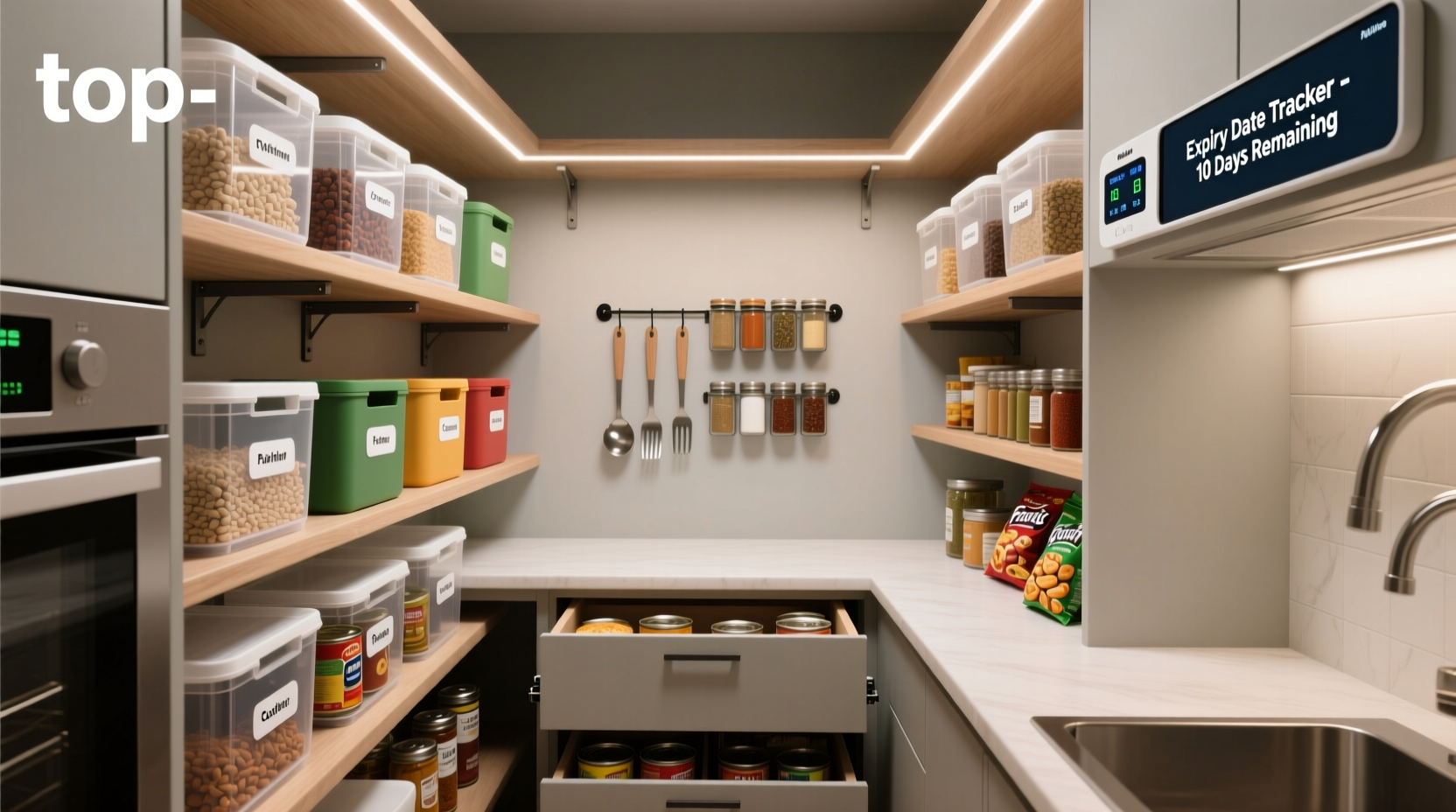
Before arranging shelves or buying organizers, take stock of what you currently have. Remove every item from your pantry and place it on a nearby counter or table. Check expiration dates, inspect packaging for damage, and evaluate whether each product fits your current dietary needs. Many households keep staples out of habit rather than use—unopened packets of outdated seasonings, forgotten bulk purchases, or duplicates bought because the original was buried behind newer items.
As you sort, categorize items into three groups:
- Keep: Items you use regularly and are within their shelf life.
- Duplicate/Excess: Extra quantities of non-perishable goods you already have enough of.
- Discard or Donate: Expired, stale, or unused products (donate unopened, non-perishable goods to a local food bank if possible).
This process reduces visual and physical clutter, making it easier to see what you own and preventing overbuying. It also creates space for a logical layout tailored to your actual usage patterns.
Create Zones Based on Function and Frequency of Use
Efficient pantries group similar items together in designated zones. This method minimizes search time and supports consistent restocking habits. In a small space, zoning becomes even more critical—every inch must serve a clear purpose.
Consider these common pantry zones:
- Baking Supplies: Flour, sugar, baking powder, vanilla extract, chocolate chips.
- Canned Goods: Beans, tomatoes, soups, vegetables.
- Grains & Pasta: Rice, quinoa, pasta, oats.
- Snacks: Crackers, granola bars, nuts, dried fruit.
- Breakfast Staples: Cereal, pancake mix, syrup.
- Spices & Condiments: Salt, pepper, soy sauce, hot sauce.
- Beverages: Coffee, tea, drink mixes.
Arrange these zones based on how often you access them. Frequently used items—like coffee or cooking oil—should be at eye level. Less-used items, such as holiday baking supplies or emergency rations, can go on higher or lower shelves.
“Zoning transforms chaos into predictability. When everything has a home, it’s easier to maintain order and notice when something is running low.” — Lisa Tran, Home Organization Consultant
Maximize Vertical and Door Space with Smart Storage Solutions
In a small pantry, floor space is limited, but vertical space is underutilized. Take full advantage of height by installing stackable bins, tiered shelves, or risers that allow you to see items behind others. For example, a simple wire riser on a shelf can elevate cereal boxes, revealing smaller items like spice packets underneath.
Pantry doors are often overlooked real estate. Install over-the-door organizers with clear pockets or baskets to store small items like seasoning packets, tea bags, or snack wraps. Magnetic strips inside the door can hold spice jars with metal lids, freeing up shelf space.
| Storage Challenge | Solution | Benefit |
|---|---|---|
| Items get lost behind others | Use shelf risers or tiered organizers | Improves visibility and accessibility |
| Limited shelf depth | Install pull-out baskets or slide-out bins | Access back items without moving front ones |
| Loose bags and snacks | Transfer to uniform airtight containers | Prevents spills, extends freshness, looks neat |
| Door remains unused | Add over-the-door organizer or hooks | Holds small, lightweight items efficiently |
When choosing containers, opt for clear, labeled jars or bins. Uniformity simplifies the visual landscape and makes it easier to identify contents quickly. Labeling is especially helpful for items like grains or flours that look similar in appearance.
Mini Case Study: Transforming a 2-Shelf Pantry in a City Apartment
Jamie, a freelance designer living in a 500-square-foot studio apartment in Chicago, struggled with a narrow two-shelf pantry barely 18 inches deep. Snack bags would topple, spices disappeared behind canned goods, and she often bought duplicates because she couldn’t see what she already had.
After decluttering and implementing zoning, Jamie installed two over-the-door organizers—one for tea and drink mixes, another for spice packets and bouillon cubes. She added a single-tier wire riser on the top shelf for oatmeal and protein bars, and transferred rice and lentils into three stackable, labeled containers. A small magnetic strip on the inside of the door now holds her six most-used spices.
The result? She reduced her grocery overspending by 30% in two months and hasn’t thrown away expired food since the reorganization. “It took less than two hours,” she says, “but I save time every single day now.”
Implement Inventory Management to Reduce Waste
One of the leading causes of food waste in homes is poor inventory awareness. Without a system to track what you have and when it expires, items slip through the cracks. A small pantry actually offers an advantage here: fewer items mean easier tracking.
Start by creating a simple inventory list—either on paper taped inside the pantry door or digitally via a notes app. Update it weekly during your grocery planning session. Include categories and expiration dates where relevant. Some people use a whiteboard-style label maker to mark containers with purchase or open dates.
Adopt the “eat me first” zone—a dedicated section for items nearing expiration or leftovers from opened packages. This could be a small bin labeled “Use Soon” placed at eye level. Rotate perishable dry goods like nuts or seeds to this area as they approach their best-by date.
Pair inventory tracking with meal planning. Knowing exactly what you have encourages creative use of existing ingredients. For example, discovering a half-empty bag of barley and a can of black beans might inspire a grain bowl instead of defaulting to takeout.
Step-by-Step Guide: Organizing Your Small Pantry in One Afternoon
Follow this timeline to complete a thorough pantry overhaul in under three hours:
- Step 1: Empty (30 minutes)
Remove all items. Wipe down shelves and vacuum crumbs. Check for pests or moisture issues. - Step 2: Sort & Declutter (45 minutes)
Group items by category. Discard expired goods and set aside donations. - Step 3: Plan Zones (15 minutes)
Decide which categories go where based on frequency of use and size. - Step 4: Install Organizers (30 minutes)
Add risers, bins, door racks, or labels. Adjust shelf heights if adjustable. - Step 5: Restock Strategically (30 minutes)
Place items in designated zones using FIFO (first in, first out). Label containers. - Step 6: Create an Inventory List (15 minutes)
Write down key staples and note expiration dates. Post it visibly. - Step 7: Maintain Weekly (10 minutes/week)
During grocery prep, scan for expiring items and wipe shelves as needed.
This routine ensures your pantry stays functional long-term, not just tidy for a week.
Frequently Asked Questions
How often should I reorganize my pantry?
A full reorganization once every 3–6 months is sufficient for most households. However, perform a quick 10-minute review weekly to check for expired items and restore order after restocking.
Are glass containers better than plastic for pantry storage?
Glass is more durable, doesn’t absorb odors, and preserves freshness longer, especially for items like flour or coffee. However, plastic is lighter and less prone to breakage. Choose based on your storage height and safety concerns—e.g., avoid heavy glass on high shelves if children are present.
What’s the best way to store potatoes and onions in a small pantry?
Potatoes and onions require cool, dark, and well-ventilated conditions—but not refrigeration. If shelf space allows, use a breathable basket or mesh bag stored on a lower shelf away from heat sources. Never store them together; onions emit gases that cause potatoes to sprout faster.
Conclusion: Turn Constraints Into Opportunities
A small pantry doesn’t have to mean compromised functionality. By applying smart zoning, vertical storage, and proactive inventory habits, you can create a system that not only saves space but actively reduces food waste and simplifies daily life. The goal isn’t perfection—it’s sustainability. An organized pantry pays dividends in time saved, money preserved, and meals made with intention.




 浙公网安备
33010002000092号
浙公网安备
33010002000092号 浙B2-20120091-4
Comments
No comments yet. Why don't you start the discussion?