
Living with a small closet doesn’t mean living in constant clutter. In fact, some of the most functional and stylish storage spaces are born from necessity, creativity, and a bit of discipline. The good news? You don’t need to buy special bins, fancy hangers, or custom shelving to transform your cramped closet into an efficient, easy-to-navigate system. With strategic thinking and a few clever techniques, you can reorganize your space like a professional organizer—without spending a single dollar.
This guide walks you through practical, zero-cost methods to declutter, reconfigure, and maintain a tiny closet that works for you. Whether you’re in a studio apartment, sharing a closet, or just tired of digging through piles of clothes, these steps will help you reclaim space and streamline your mornings.
Step 1: Empty and Assess Your Closet
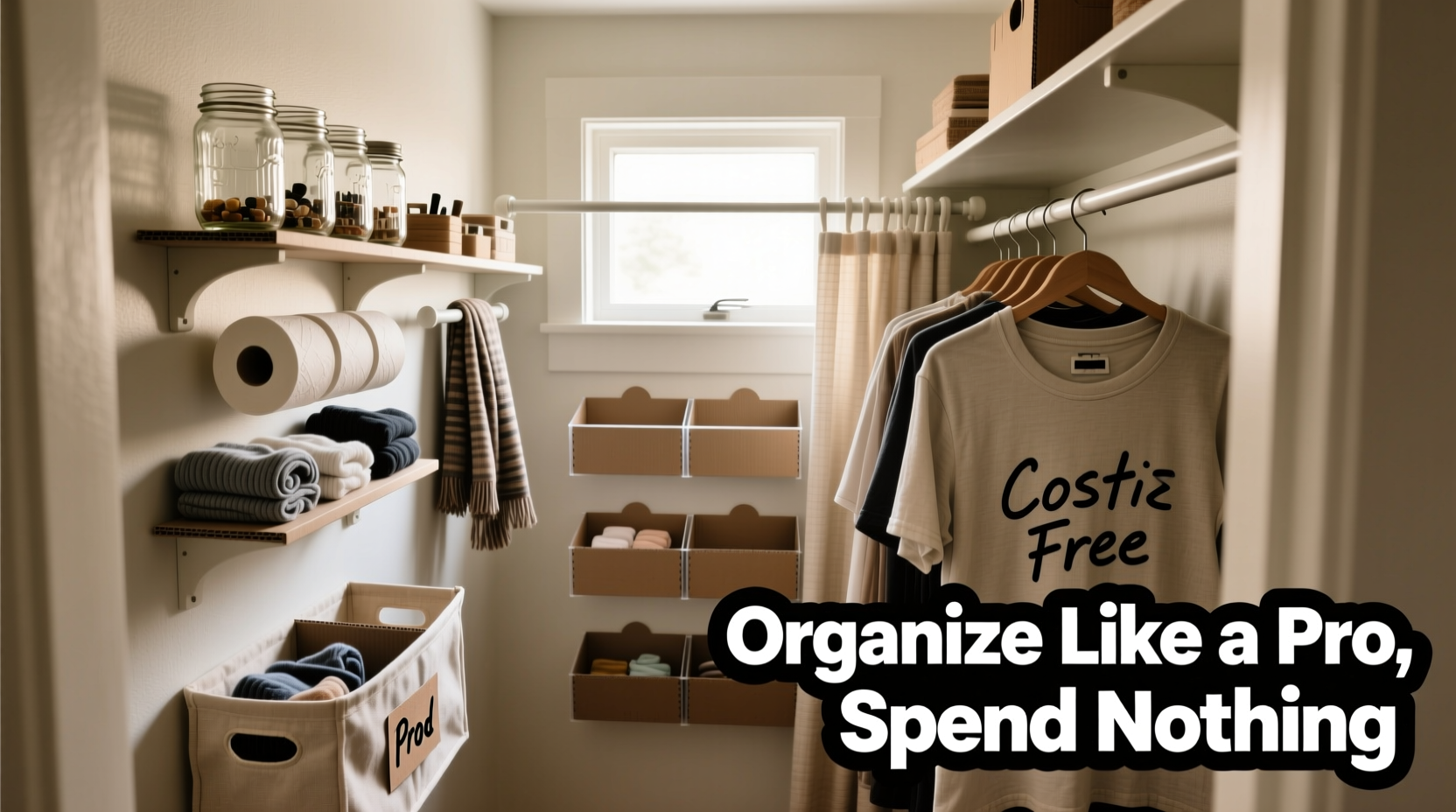
The first rule of effective organization is starting with a blank slate. Remove everything from your closet—yes, everything. This allows you to see the full layout, clean forgotten corners, and evaluate each item objectively.
As you take things out, place them on your bed or floor in categories: tops, bottoms, dresses, outerwear, accessories, shoes, and seasonal items. This visual separation helps identify overstock and underused zones.
Ask yourself: What do I actually wear? What hasn’t been touched in the last six months? Be honest. If an item brings no value—functionally or emotionally—it’s time to let it go.
Step 2: Apply the Reverse Hanger Method to Identify True Favorites
One of the most powerful free tools in closet optimization is tracking usage. The reverse hanger method helps you determine which clothes you actually wear versus those collecting dust.
- Turn all hangers backward (hook facing the back of the rod).
- Each time you wear an item and return it, hang it the right way.
- After 30 days, assess which items are still on backward hangers.
These untouched pieces are prime candidates for donation, selling, or storage if seasonal. This method reveals patterns without guesswork and prevents emotional attachment from clouding judgment.
“What we own owns us.” — Marie Kondo Be selective. Keep only what serves your current life.
Step 3: Reorganize Using Smart, No-Cost Strategies
Now that you’ve pared down, it’s time to rebuild your closet intelligently. Use these proven, budget-free tactics to maximize every inch.
Use Vertical Space Like a Pro
Most closets waste vertical real estate. Stack folded items like sweaters or jeans vertically, like books on a shelf, so you can see everything at a glance. This prevents rummaging and keeps stacks stable.
Double Up Your Hanging Rod (No Tools Needed)
If your closet has only one rod, create a second level using existing hangers. Clip children’s or lightweight hangers onto the bottom of existing ones to hang shorter items like shirts, scarves, or tank tops beneath longer garments like dresses or coats.
Fold Strategically with the KonMari Flip-Fold Technique
Instead of stacking clothes flat, fold them into compact rectangles that stand upright. This method saves space and lets you see every item without pulling everything out.
To master the flip-fold:
- Lay the garment flat.
- Fold one side toward the center.
- Fold the sleeve back at a 45-degree angle.
- Repeat on the other side.
- Fold the bottom up, then the top down.
Store these folds in drawers, on shelves, or even in boxes repurposed from moving or storage.
Repurpose Household Items as Organizers
Look around your home for unused containers that can become closet helpers:
- Shoeboxes → divide scarves, socks, or belts
- Clean yogurt cups → hold jewelry or hair accessories
- Towel rods (if available) → hang on the inside of the door for robes or bags
- Over-the-door hooks → use for hats, reusable shopping bags, or next-day outfits
No buying required—just creative reuse.
Step 4: Optimize by Category and Frequency
Organization isn’t just about tidiness—it’s about efficiency. Arrange your closet so that what you use most is easiest to access.
| Category | Best Placement | Avoid |
|---|---|---|
| Daily wear tops & bottoms | Eye-level hanging or front shelf | Buried behind rarely used items |
| Workout clothes | Near the door or in a dedicated stack | Mixed with formal wear |
| Seasonal items (e.g., winter coats) | Top shelf or back corner | Taking prime real estate year-round |
| Special occasion wear | Covered hangers or labeled box | Left exposed to dust |
| Accessories (belts, scarves) | Hanging on hooks or rolled in bins | Loose tangles in a drawer |
Group similar items together and arrange within categories by color for visual calm and faster matching. This may seem minor, but a rainbow row of tees makes choosing an outfit feel effortless.
Mini Case Study: How Sarah Transformed Her 3-Shelf Closet in One Afternoon
Sarah, a teacher living in a downtown studio, dreaded opening her closet each morning. It was stuffed with ill-fitting clothes, mismatched shoes, and layers of scarves tangled beyond repair. She decided to try a no-spend reorganization during a weekend off.
She started by removing everything and sorting into keep, donate, and maybe piles. Using the reverse hanger trick on 27 tops, she found that 11 hadn’t been worn in over a year. She donated nine and stored two winter sweaters in a sealed bin under her bed.
Next, she used three shoeboxes to create sock, belt, and scarf organizers. She flipped and folded her remaining tops, standing them upright on a shelf. For hanging items, she doubled her rod capacity using nested hangers—one holding a blouse below her blazer.
The result? She gained 40% more usable space, reduced morning stress, and felt more confident in her wardrobe. All without buying a thing.
Step 5: Maintain the System with Daily Micro-Habits
The true mark of a pro-organized closet isn’t perfection—it’s sustainability. Build routines that keep clutter at bay.
Create a “Maybe” Bin
Place a small basket or box in your bedroom for items you’re unsure about. If you haven’t reached for something in 30 days, consider donating it. This prevents decision fatigue and gradual re-cluttering.
Adopt the “One In, One Out” Rule
No new purchases enter your closet unless something leaves. This keeps volume consistent and forces mindful consumption.
Do a 5-Minute Nightly Reset
Before bed, spend five minutes returning clothes to their designated spots, straightening hangers, and folding anything left out. This small habit prevents chaos from building up.
“Clutter is nothing more than postponed decisions.” — Peter Walsh Make small choices daily to avoid overwhelming cleanup sessions.
Checklist: Your No-Spend Closet Transformation Plan
Follow this step-by-step checklist to complete your closet overhaul:
- ☐ Remove all items from the closet
- ☐ Clean shelves, rods, and floor
- ☐ Sort clothes into categories (tops, bottoms, etc.)
- ☐ Use the reverse hanger method for 30 days (optional ongoing)
- ☐ Declutter using the “does it fit, flatter, or spark joy?” test
- ☐ Fold using the KonMari method for drawer/shelf items
- ☐ Maximize hanging space with layered hangers
- ☐ Repurpose household containers for small items
- ☐ Group by category and frequency of use
- ☐ Label bins or boxes if helpful
- ☐ Implement nightly 5-minute reset habit
- ☐ Adopt “one in, one out” rule moving forward
Frequently Asked Questions
Can I organize a shared closet without spending money?
Absolutely. Start by defining personal zones using invisible boundaries—left side, top shelf, etc. Use different colored hangers or fabric scraps tied to tags to distinguish ownership. Communicate usage rules and commit to the same maintenance habits.
What if my closet has no shelves or rods?
Use sturdy furniture like a bookshelf, ladder rack, or even a tension curtain rod between walls to create temporary hanging space. Fold clothes vertically in baskets or crates. Get creative—the goal is accessibility, not perfection.
How often should I re-evaluate my closet?
Every season is ideal. As weather changes, rotate clothing and reassess what you’re actually wearing. A quick 20-minute review every three months prevents accumulation and keeps your system responsive to your lifestyle.
Conclusion: A Tiny Closet Can Work Big Magic
You don’t need a walk-in closet or a shopping spree to enjoy a well-organized wardrobe. By applying thoughtful strategies, leveraging what you already own, and building simple habits, you can turn even the smallest closet into a streamlined, stress-free zone.
Organization isn’t about having more space—it’s about making peace with the space you have. When your closet reflects clarity and intention, getting dressed becomes less of a chore and more of a choice.




 浙公网安备
33010002000092号
浙公网安备
33010002000092号 浙B2-20120091-4
Comments
No comments yet. Why don't you start the discussion?