
In compact living spaces, every inch counts—especially in the closet. A tiny closet doesn’t have to mean limited storage or constant clutter. With strategic use of double hanging rods and intelligent folding techniques, even the smallest wardrobe can hold more, stay neater, and make daily dressing effortless. This guide delivers actionable methods to transform your cramped closet into a highly functional, visually clean space that supports both practicality and peace of mind.
Why Double Hanging Makes a Difference
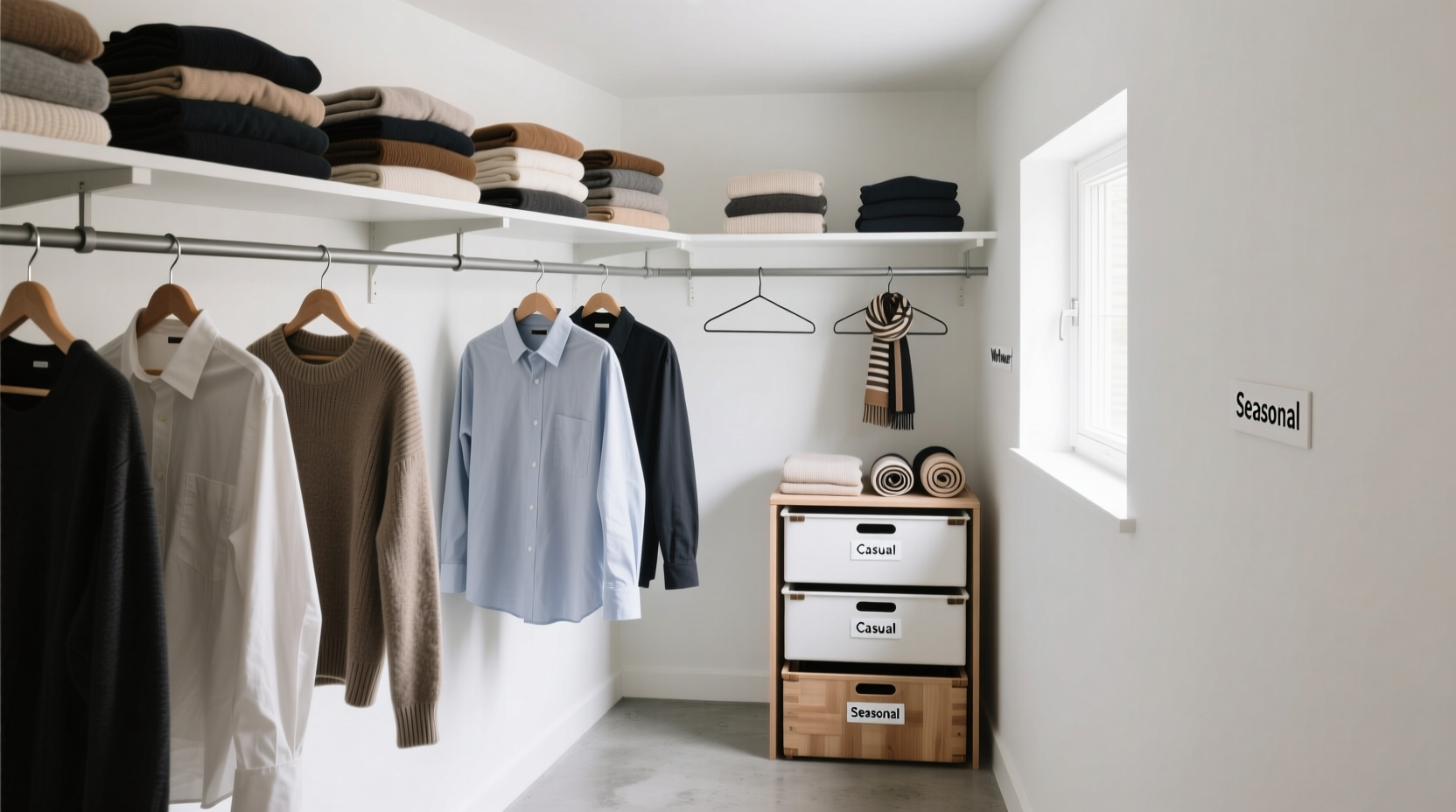
Most standard closets come with a single hanging rod, often leaving valuable vertical space underutilized. Installing a second, lower hanging rod doubles your capacity for shirts, blouses, pants, and skirts. The upper rod works perfectly for longer garments like dresses and coats, while the lower rod is ideal for shorter items such as shirts, jackets, and folded slacks.
The key is proportion: the top rod should be positioned at about 40–42 inches from the floor, allowing enough clearance for the lower rod, which typically sits between 72 and 80 inches high. This creates two distinct zones without crowding either level.
Double hanging also encourages better organization. When clothes are no longer piled on hangers or crammed together, visibility improves, reducing decision fatigue in the morning. You see what you own, making it easier to wear everything regularly and avoid overbuying.
Smart Folding Techniques That Save Space
Folding isn’t just for drawers. In a tiny closet, folding strategically can reduce bulk, prevent wrinkles, and free up hanging space for items that truly need it. The goal is to create compact, stable stacks that stand upright and resist toppling.
The most effective method is the vertical fold, popularized by organizing expert Marie Kondo. Instead of stacking clothes flat, fold them into rectangles that can stand on their edge—like files in a drawer. This allows you to see each item at a glance and pull one out without disturbing the rest.
- Lay the garment flat.
- Fold one side toward the center, about one-third of the way.
- Repeat with the opposite side, overlapping slightly.
- Fold the bottom up about halfway.
- Fold the top down to meet it, creating a compact rectangle.
This technique works especially well for t-shirts, sweaters, jeans, and pajamas. For thicker fabrics, rolling can be even more space-efficient and helps minimize creases.
| Garment Type | Best Folding Method | Storage Location |
|---|---|---|
| T-shirts | Vertical fold | Drawer or shelf |
| Sweaters | Roll or vertical fold | Shelf (avoid hanging) |
| Jeans | Roll or half-fold | Drawer or bin |
| Underwear/Socks | Roll or KonMari fold | Small bins or dividers |
| Dress shirts | Hang only | Upper or lower rod |
Folding not only saves space but also reduces fabric stress. Hanging delicate knits or heavy denim long-term can stretch shoulders and distort shape. Folding preserves garment integrity and extends lifespan.
Step-by-Step Closet Transformation Plan
Revamping a tiny closet doesn’t require expensive renovations. Follow this six-step process to achieve maximum efficiency with minimal effort.
- Empty Everything
Remove all clothing, shoes, and accessories. This clears mental clutter and lets you assess what you actually own. - Sort and Purge
Divide items into categories: keep, donate, repair, discard. Be ruthless—if you haven’t worn it in a year, let it go. As organizer Julie Morgenstern says: “Clutter is postponed decisions.” - Measure Your Space
Record height, width, and depth. Note obstructions like vents or shelves. This ensures any new hardware fits properly. - Install Double Hanging Rods
Add a second rod using brackets or a kit. If permanent installation isn’t possible, use a sturdy tension rod designed for clothing weight. - Assign Zones
Create designated areas: tops on the upper rod, bottoms on the lower, folded items on shelves, and accessories in bins. Group by category, then color, for visual harmony. - Implement Smart Storage
Add slim hangers, shelf dividers, stackable bins, and door organizers. Uniform hangers save up to 30% more space than bulky ones.
This sequence ensures logical progression from chaos to order. Completing it over a weekend yields lasting results.
“Efficiency in small spaces comes not from adding more storage, but from designing smarter systems.” — David Lin, Urban Living Design Consultant
Real-Life Example: Transforming a Studio Apartment Closet
Sophie, a graphic designer in Brooklyn, lived in a 450-square-foot studio with a closet measuring just 28 inches wide and 6 feet tall. She struggled with overcrowding, misplacing items, and daily frustration getting dressed.
After applying double hanging and vertical folding, her closet was completely reimagined. She installed a lower rod using adjustable metal brackets, freeing the top section for dresses and jackets. Button-down shirts and blouses now hang neatly below. Sweaters and t-shirts are folded vertically and stored on a single shelf using fabric bins. Her shoe collection lives in a slim over-the-door rack.
The result? She gained 40% more usable space, reduced morning prep time by half, and stopped buying duplicates because she could finally see what she owned. “It’s not just organized,” she said. “It feels calm. I actually enjoy opening the closet now.”
Essential Tips for Long-Term Success
Maintaining an organized closet requires consistency and smart habits. Here are proven strategies to keep your system working month after month.
- Use slim, non-slip hangers – Velvet-flocked or wooden hangers prevent slipping and maximize rod capacity.
- Rotate seasonally – Store off-season clothes in under-bed bins or vacuum-sealed bags to free up prime space.
- Label containers – Clear bins with labels make contents instantly identifiable.
- Limit wardrobe size – Adopt a “one in, one out” rule: when you buy something new, donate an old item.
- Reassess quarterly – Every three months, do a quick review to remove unworn pieces and adjust zones as needed.
Do’s and Don’ts of Tiny Closet Organization
Avoid common pitfalls that undermine even the best-intentioned efforts. This table outlines critical dos and don’ts to preserve function and longevity.
| Do | Don't |
|---|---|
| Use matching slim hangers for uniform spacing | Mix thick plastic and wire hangers that waste space |
| Fold knits and heavy fabrics to prevent stretching | Hang sweaters long-term—they lose shape |
| Group clothes by type, then color | Store everything randomly—creates visual noise |
| Store off-season items outside the main closet | Keep winter coats in summer—blocks access |
| Use shelf dividers to stabilize folded stacks | Let folded piles lean or collapse |
These distinctions separate temporary fixes from sustainable systems. Small choices compound over time—doing things right from the start prevents backsliding.
FAQ: Common Questions About Tiny Closet Organization
Can I add double hanging without drilling?
Yes. Tension rods designed for clothing storage can support lightweight garments like shirts and blouses. Look for models rated for at least 20 pounds and ensure your closet walls are parallel for stability. While not ideal for heavy coats, they’re perfect for renters or temporary setups.
How do I prevent folded clothes from falling over?
Use shelf dividers or small acrylic organizers to create boundaries. Alternatively, place heavier folded items at the back and lighter ones in front to act as natural supports. Rolling clothes tightly also adds structural integrity.
What if my closet is too narrow for double rods side by side?
Instead of horizontal duplication, consider vertical layering. Hang a second rod behind the first using offset brackets, or install a pull-out hanging rail. Another option: use the existing rod for short items and reserve shelf or bin space for longer garments folded neatly at the bottom.
Final Thoughts: Turn Limitations Into Advantages
A tiny closet isn’t a flaw—it’s an invitation to refine your relationship with your belongings. By embracing double hanging and mastering smart folding, you turn spatial constraints into opportunities for clarity, intentionality, and ease.
The benefits extend beyond aesthetics. An organized closet reduces stress, saves time, and fosters mindfulness about consumption. It becomes less about storage and more about lifestyle design.




 浙公网安备
33010002000092号
浙公网安备
33010002000092号 浙B2-20120091-4
Comments
No comments yet. Why don't you start the discussion?