
Living in a small space often means making the most of every square inch—and nowhere is this more true than in a tiny closet. Whether you're in a studio apartment, a dorm room, or just dealing with outdated storage, a cluttered closet can make daily life frustrating and inefficient. The good news? You don’t need to buy shelves, bins, or fancy organizers to fix it. With thoughtful reorganization and clever use of what you already own, you can transform your cramped closet into a functional, stress-free zone—without spending a single dollar.
Assess and Edit: Start with What You Have
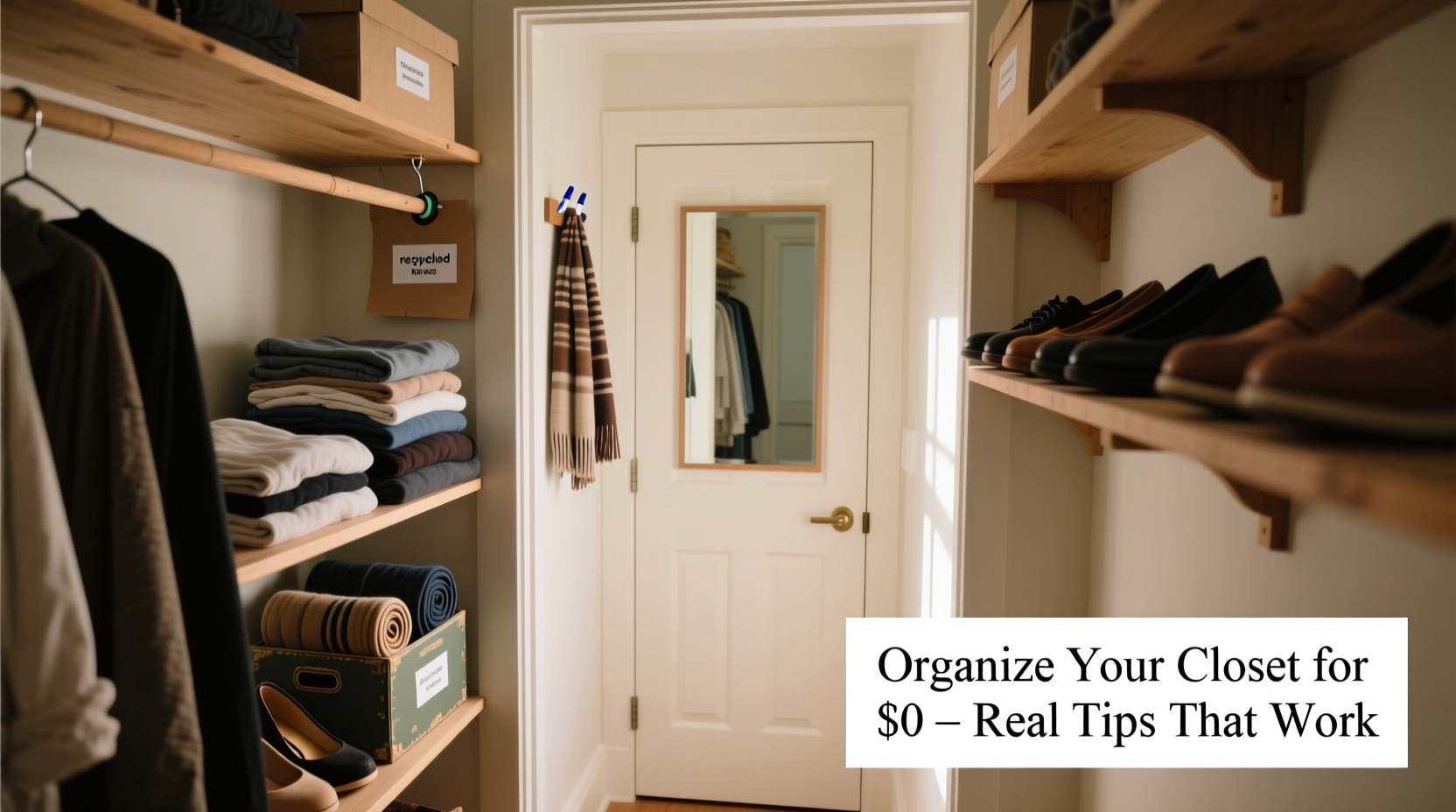
The first step in organizing any space isn't about adding solutions—it's about removing obstacles. A tiny closet quickly becomes unusable when it's filled with items you no longer wear, duplicates, or clothes that don’t fit. Begin by taking everything out. Yes, everything. This may seem extreme, but it forces you to confront what’s actually in your closet and gives you a clean slate.
As you remove each item, sort it into one of four categories:
- Keep: Items you wear regularly, love, or have worn in the past three months.
- Donate/Sell: Clothes in good condition that no longer serve you.
- Repair/Alter: Pieces that could be fixed or tailored (set a deadline to act on these).
- Discard: Stained, torn, or unwearable items.
This process not only clears physical clutter but also mental clutter. Once you’ve edited your wardrobe down to what truly matters, you’ll find that even a small closet can feel spacious.
Maximize Vertical Space with DIY Hanging Solutions
Most people underutilize vertical space in their closets. Standard hanging rods leave a large gap between the rod and the shelf above—or worse, between the rod and the ceiling. That unused airspace is prime real estate.
Instead of buying stackable shelves or over-the-door organizers, repurpose household items to create tiered storage. For example:
- Use sturdy cardboard boxes (like shoeboxes) turned on their side to hold folded sweaters or jeans. Reinforce edges with tape if needed.
- Repurpose old picture frames with wire backing as jewelry hangers. Drape necklaces or bracelets over the wires.
- Hang scarves or belts over coat hangers using the bar at the bottom of the hanger.
If your closet has double hanging rods, consider removing the lower one temporarily. Use that space to stack folded clothes vertically like files in a drawer—this keeps them visible and accessible without toppling.
For long garments like dresses or coats, hang them toward the back or end of the rod where they won’t block shorter items. If space allows, angle some hangers so they face opposite directions—this can help squeeze in a few extra pieces without crowding.
“Space optimization begins with awareness. Most people overestimate how much storage they need and underestimate how efficiently they can use what they have.” — Lena Patel, Urban Living Organizer
Create Zones Without Buying Organizers
A well-organized closet isn’t just about fitting more in—it’s about making things easy to find. The key is creating designated zones for different types of clothing and accessories. The best part? You can do this using simple visual cues and spatial planning.
Divide your closet into logical sections:
- Top Shelf (if available): Store off-season clothes, handbags, or rarely used items in labeled boxes (use masking tape and marker).
- Hanging Zone: Group by category—workwear, casual shirts, dresses—and further by color for quick matching.
- Folded Stack Area: Dedicate one shelf or bin to t-shirts, another to sweaters, etc.
- Shoe Storage: Line shoes along the floor in pairs, heel-to-toe, or use an old fabric laundry bag hung on the inside of the door for slippers or flats.
Use the back of the closet door creatively. Hang a belt looped over a hook to hold loose scarves. Clip a binder clip to the edge of a shelf to store sunglasses or hair ties. These micro-solutions cost nothing but save time and reduce clutter.
| Zone | What Belongs Here | Avoid Placing Here |
|---|---|---|
| Top Shelf | Off-season clothes, hats, bags | Daily wear items |
| Hanging Rod | Shirts, pants, dresses, jackets | Heavy sweaters (can stretch) |
| Folded Stacks | T-shirts, jeans, hoodies | Delicate fabrics (prone to creasing) |
| Floor / Door | Shoes, hanging accessories | Bulky luggage (blocks access) |
Step-by-Step: Reorganize Your Tiny Closet in One Hour
You don’t need a weekend to overhaul your closet. Follow this realistic, time-bound plan to achieve noticeable results in just 60 minutes:
- Minutes 0–15: Empty and Sort
Remove all items and categorize them into Keep, Donate, Repair, and Discard piles. Be decisive—hesitation leads to clutter. - Minutes 15–25: Clean the Space
Wipe down shelves, vacuum the floor, and check for dust or pests. A clean base sets the tone for order. - Minutes 25–40: Install Free Organizers
Set up repurposed boxes, rearrange hangers, and designate zones. Hang frequently worn items at eye level. - Minutes 40–55: Fold and Place Strategically
Use vertical folding for stacks. Hang wrinkle-prone items. Store shoes neatly in a line or behind the door. - Minutes 55–60: Final Review
Step back and assess. Is everything visible? Can you access what you need without moving three things first? Adjust as needed.
This timeline works because it focuses on action, not perfection. The goal is progress, not Pinterest-worthy aesthetics.
Real-Life Example: Maria’s Studio Apartment Closet
Maria lives in a 400-square-foot studio in Chicago. Her closet measured just 3 feet wide and had a single rod and a high shelf. Before reorganizing, she avoided opening the door—clothes spilled off hangers, shoes were piled on the floor, and she couldn’t find anything without digging.
She spent one Sunday afternoon following the steps above. She removed everything, donated nearly half her wardrobe, and used empty tissue boxes to hold socks and underwear. She turned a small wooden crate (leftover from a farmer’s market visit) into a shoe organizer by placing it sideways on the floor. Scarves were looped over hangers, and a magnetic spice rack from her kitchen (not in use) was mounted inside the door with tape to hold bobby pins and earrings.
The result? She gained 40% more usable space, reduced morning decision fatigue, and hasn’t bought a single storage product. “I thought I needed more space,” she said. “But really, I just needed better systems.”
Common Mistakes to Avoid
Even with the best intentions, it’s easy to fall into habits that sabotage organization. Watch out for these pitfalls:
- Over-hanging clothes: Too many items on a rod cause wrinkling and make it hard to see options. Limit hangers to one per inch of rod space.
- Folding bulky knits: Heavy sweaters should be stored flat or rolled to prevent stretching. Use shelf dividers made from stacked books if needed.
- Ignoring frequency of use: Place everyday items at eye level. Reserve hard-to-reach spots for seasonal or rare-use pieces.
- Keeping “someday” clothes: Holding onto outfits for a future body or lifestyle only takes up space. Let go unless you’ve worn them in the last year.
Organization isn’t a one-time event. It requires maintenance. Spend five minutes each week straightening hangers, refolding stacks, and returning misplaced items to their zones.
FAQ: Common Questions About Tiny Closet Organization
Can I organize a closet without shelves or drawers?
Absolutely. Use uniform hangers to maximize rod space, fold clothes vertically in stacks, and repurpose containers like boxes or baskets you already own. Floor space can also be used strategically for shoes or bins.
How do I stop my closet from getting messy again?
Build in habits: Return clothes to their designated zones immediately after laundry, and perform a 5-minute nightly tidy-up. Also, limit new purchases by adopting a “one in, one out” rule—every new item requires donating an old one.
What if I share the closet with someone else?
Divide the space equitably by usage, not necessarily size. Use color-coded hangers or labels to distinguish belongings. Agree on shared zones (like shoes or accessories) and maintain mutual respect for the system.
Final Checklist: No-Cost Tiny Closet Reset
Before you close the door on chaos, run through this final checklist to ensure lasting results:
- ✅ Removed all items and sorted ruthlessly
- ✅ Cleaned shelves, rod, and floor
- ✅ Repurposed household items for storage (boxes, crates, clips)
- ✅ Created clear zones for different clothing types
- ✅ Used vertical space efficiently (stacked, hung, folded upright)
- ✅ Stored off-season items out of the way
- ✅ Implemented a weekly 5-minute maintenance routine
Conclusion: Transform Your Space, Not Your Budget
Organizing a tiny closet doesn’t require money—it requires mindset. By focusing on efficiency, intentionality, and creative reuse, you can unlock space you didn’t know you had. The most effective systems aren’t the ones with the most products; they’re the ones that make your life simpler every day.
Start tonight. Empty your closet, edit with honesty, and rebuild with purpose. You’ll be amazed at how much more room you have—not just in your closet, but in your mind. A clutter-free space leads to a clearer routine, faster mornings, and less daily stress.




 浙公网安备
33010002000092号
浙公网安备
33010002000092号 浙B2-20120091-4
Comments
No comments yet. Why don't you start the discussion?