
Anime figures are more than collectibles—they're expressions of fandom, artistry, and personal identity. Whether you’ve started with a single Nendoroid or amassed dozens of scale figures, keeping them organized is essential for display, preservation, and enjoyment. But high-end display cases, custom shelving, and climate-controlled rooms aren’t practical—or affordable—for most collectors. The good news? You can create a stunning, functional setup on a tight budget with thoughtful planning and resourceful solutions.
Organizing doesn’t require expensive gear. It requires strategy. From repurposing household items to leveraging online marketplaces and DIY hacks, this guide reveals how to protect, showcase, and grow your anime figure collection without draining your wallet.
Assess Your Collection: Know What You Have
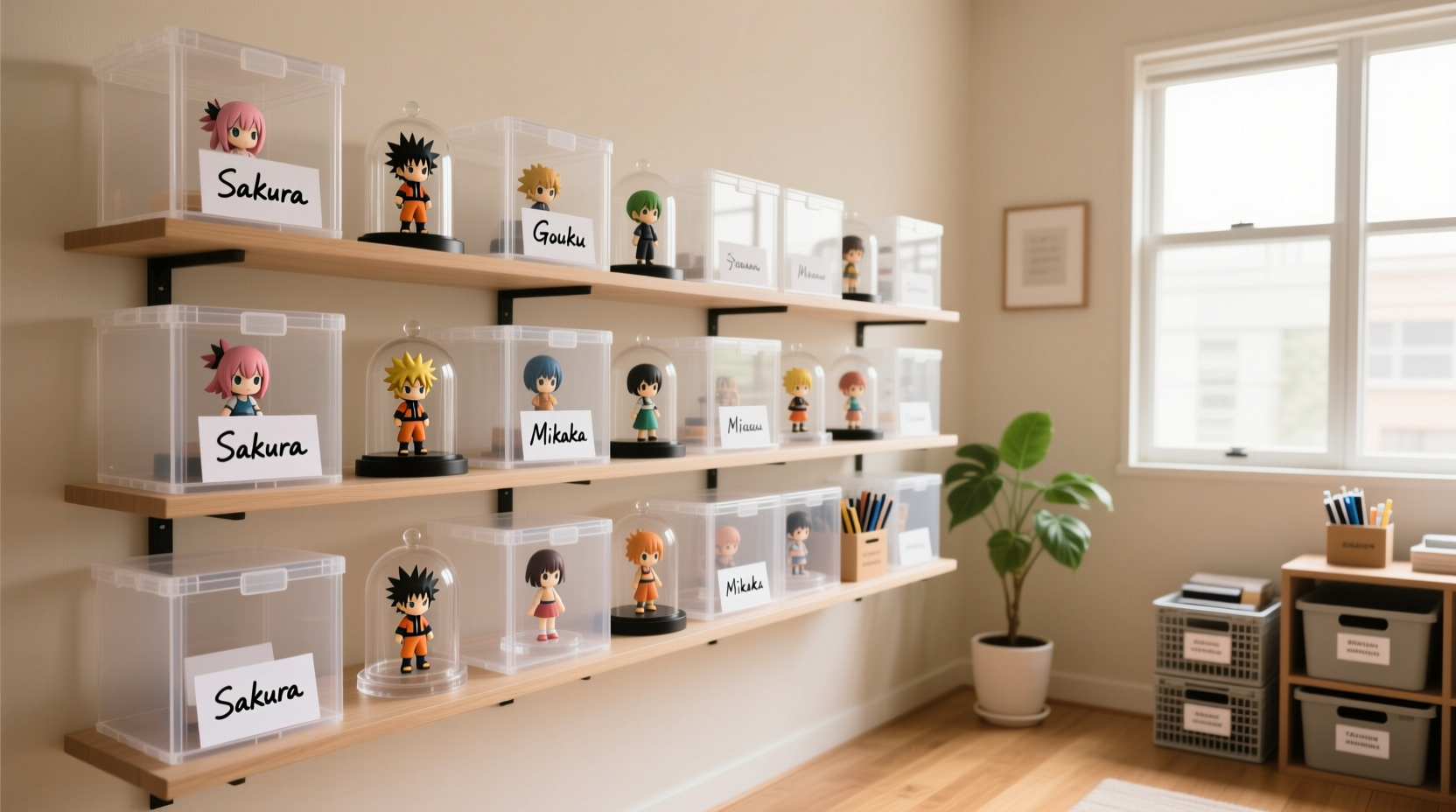
Before investing in storage or display options, take inventory. Many collectors accumulate figures over time without a clear sense of size, value, or fragility. A full assessment helps you make informed decisions about space, safety, and presentation.
Start by grouping your figures into categories:
- Type: Scale figures, Nendoroids, busts, garage kits, blind box toys
- Size: Mini (under 6\"), standard (6–10\"), large (over 10\")
- Fragility: Figures with delicate parts (e.g., wings, wands, hair strands)
- Display priority: Favorites vs. secondary pieces
This classification informs how each figure should be stored. Delicate or valuable pieces may need enclosed protection, while smaller or less fragile ones can be grouped on open shelves.
Budget-Friendly Display Solutions That Work
You don’t need glass display cabinets from specialty retailers to show off your collection. Affordable alternatives exist in everyday spaces and stores. The key is matching the solution to your environment and figure type.
Repurpose Household Furniture
Bookshelves, entertainment centers, and even kitchen cabinets can double as figure displays. Look for units with adjustable shelves and clean lines. Glass-front cabinets offer dust protection without UV exposure if placed away from windows.
Use risers made from scrap wood or sturdy cardboard boxes covered in fabric to create tiered displays. This adds depth and makes smaller figures visible without crowding.
Use Clear Storage Boxes Creatively
Clear plastic bins with lids—often used for craft supplies or under-bed storage—are excellent for protecting figures while allowing visibility. Stackable models let you build vertical displays on a budget.
For added flair, line the inside with colored paper or fabric to create themed backdrops. Just ensure the bin isn’t exposed to direct sunlight, which can yellow plastic and fade paint over time.
Leverage Wall Space with Floating Shelves
Wall-mounted shelves free up floor space and turn walls into galleries. Inexpensive pine or MDF floating shelves from hardware stores cost under $10 each. Paint or stain them to match your room’s aesthetic.
Arrange figures by series, color, or height for visual harmony. Use museum putty (available at craft stores) to secure lightweight figures and prevent tipping.
“Organization isn’t about how much you spend—it’s about how thoughtfully you use the space you have.” — Kenji Tanaka, Collector & Display Consultant
Smart Storage Strategies for Long-Term Protection
Even the most beautiful display fails if it doesn’t protect your figures. Dust, sunlight, humidity, and accidental knocks are the biggest threats. Prevent damage with low-cost preventive measures.
Avoid Direct Sunlight and Heat Sources
UV rays cause fading and material degradation. Keep displays away from windows, lamps, and radiators. If natural light is unavoidable, consider applying UV-filtering window film—a one-time investment that protects all your decor.
Control Dust with Simple Covers
Dust buildup dulls paint and invites scratching during cleaning. Instead of buying expensive acrylic cases, use breathable fabric covers at night or when not viewing. Cotton pillowcases or custom-made linen drapes work well and can be washed regularly.
For open shelves, place small sachets of silica gel (reused from shoeboxes or electronics packaging) nearby to reduce moisture and static dust attraction.
Rotate Displays to Minimize Wear
If you own more figures than display space, rotate them monthly. This reduces long-term exposure and keeps your setup feeling fresh. Store rotated figures in their original boxes or padded containers to prevent damage.
DIY Projects That Save Money and Add Personality
Customization doesn’t have to be expensive. With basic tools and creativity, you can build unique displays that reflect your taste and maximize utility.
Create Modular Shelving with PVC Pipes
PVC pipe shelving is lightweight, inexpensive, and fully customizable. Cut pipes to desired lengths and connect with T-joints to form cube grids. Insert wooden or acrylic panels as shelves. Paint the frame black or white for a modern look.
This system allows expansion as your collection grows. Each module costs under $20 and can support multiple figures.
Design Themed Backdrops with Printable Paper
Enhance your display with context. Print high-resolution backgrounds—like scenes from an anime setting—and mount them behind shelves. Use cardstock or laminate sheets for durability.
For example, a *Demon Slayer* collection gains impact with a sunset bamboo forest backdrop. These prints cost pennies when done at home or through low-cost online printing services.
Build Figure Risers from Recycled Materials
Elevate key figures using repurposed materials: old speaker boxes, wine crates, or thick books wrapped in decorative paper. Secure them with non-slip pads to prevent sliding.
Risers draw attention to centerpieces and add dimension without cluttering space.
| Solution | Estimated Cost | Best For |
|---|---|---|
| Repurposed bookshelf | $0–$20 (used) | Medium to large collections |
| Clear stackable bins | $5–$15 each | Storage + visibility |
| Floating wall shelves | $8–$12 each | Small spaces, accent walls |
| PVC modular grid | $15–$25 per unit | Expandable setups |
| DIY risers (recycled) | $0–$5 | Highlight premium figures |
Real Example: How Mia Organized 40 Figures in a Studio Apartment
Mia, a 27-year-old graphic designer in Osaka, collected anime figures for five years. Her studio apartment had limited space, and her growing collection was scattered across desks, dressers, and closets. She wanted a cohesive display but couldn’t afford custom furniture.
Her solution:
- She categorized her 40 figures by size and theme (*Sailor Moon*, *Attack on Titan*, and general favorites).
- She bought two secondhand IKEA Kallax units ($40 total) and placed them side by side under a window (away from direct sun).
- She used fabric bins inside some cubes for storage and open cubes for display.
- She created risers from leftover flooring samples and arranged figures in layered heights.
- She printed pastel pink and blue backdrops for each unit, giving a soft, unified look.
- She rotated figures every six weeks, storing extras in original boxes with desiccant packs.
Total cost: under $70. Result: a clean, personalized gallery wall that friends compliment regularly. Mia says, “It feels like my room finally reflects who I am—without looking cluttered or expensive.”
Essential Checklist: Organize Your Collection on a Budget
Follow these steps to get started:
- ✅ Take inventory of all figures (type, size, condition)
- ✅ Measure available space (wall, shelf, floor)
- ✅ Identify primary threats (sunlight, dust, traffic)
- ✅ Choose 1–2 affordable display methods (e.g., repurposed shelf + risers)
- ✅ Source materials from thrift stores, online marketplaces, or household items
- ✅ Assemble display with attention to balance and visibility
- ✅ Label and store rotated figures properly
- ✅ Clean and inspect monthly
Frequently Asked Questions
Can I use glass jars or aquariums as display cases?
Yes—glass jars (like large pickle jars) work well for small figures or dioramas. Old aquariums make excellent enclosed display cases. Clean thoroughly and remove lights or heaters. Add a foam base or fabric liner to prevent scratching. Ensure ventilation to avoid condensation.
How do I clean figures without damaging them?
Use a soft-bristle brush (makeup or artist’s brush) to remove dust. For fingerprints or smudges, lightly dampen a microfiber cloth with distilled water and gently wipe. Never submerge figures. Avoid alcohol-based cleaners—they can strip paint and degrade plastic.
What’s the cheapest way to protect figures from dust?
Cheap fabric covers, repurposed glass cabinets with doors, or even clear plastic storage bins with snug lids are effective. For open shelves, consider making simple acrylic side shields using cut-to-size sheets held in place with adhesive clips.
Final Thoughts: Smart Organization Is Sustainable Collecting
Organizing an anime figure collection doesn’t demand luxury. It demands intention. Every dollar saved on storage is a dollar that can go toward your next favorite piece. By assessing your space, reusing what you have, and applying simple design principles, you create a display that honors your passion without straining your budget.
The best collections aren’t the most expensive—they’re the most thoughtfully curated. Start small. Build gradually. Protect what you love. And remember: a well-organized shelf isn’t just pleasing to the eye—it’s a celebration of your journey as a fan.




 浙公网安备
33010002000092号
浙公网安备
33010002000092号 浙B2-20120091-4
Comments
No comments yet. Why don't you start the discussion?