
Cluttered bathroom cabinets are a common frustration in homes of all sizes. Whether you're dealing with a compact powder room or a spacious master bath, inefficient storage can turn your daily routine into a scavenger hunt. The good news is that with thoughtful planning and strategic organization, even the smallest cabinet can be transformed into a highly functional storage hub. By reevaluating what you keep, optimizing vertical space, and using the right organizers, you can unlock every inch of potential in your bathroom cabinetry.
Assess Your Storage Needs and Inventory
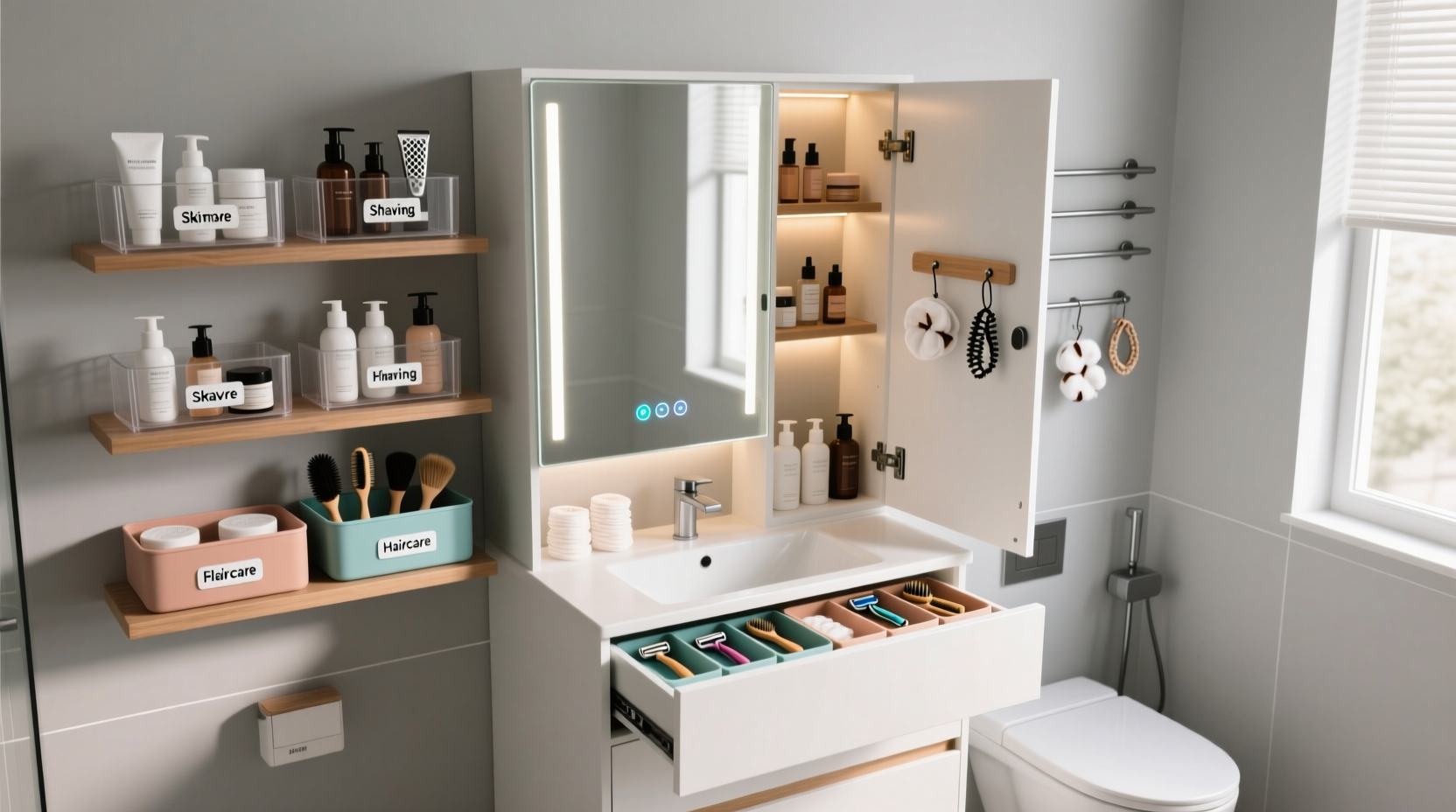
Before rearranging anything, take stock of what’s currently inside your cabinets. Remove all items and sort them into categories: daily-use toiletries, medications, hair tools, skincare, cleaning supplies, and seasonal or rarely used products. This process helps identify what you actually need on hand versus what’s just taking up space.
Be honest about expiration dates—discard old medications, dried-out makeup, and expired sunscreen. According to the U.S. Food and Drug Administration, most over-the-counter medications lose potency after one year, and some may even become harmful. Skincare products often have shelf lives between 6 months to 2 years, depending on preservatives and exposure to moisture.
Once you’ve decluttered, consider usage frequency. Items used daily should be easily accessible, while backups or seasonal products can go to higher shelves or deeper sections. This tiered approach ensures efficiency without sacrificing space.
Maximize Vertical Space with Tiered Organizers
Most people underutilize vertical space in their cabinets. Standard shelves often leave large gaps between stored items, wasting valuable real estate. The solution? Add stackable trays, risers, or adjustable shelf dividers.
Tiered organizers work especially well for small bottles and tubes. Place taller items like shampoo at the back and shorter ones like toothpaste in front so everything remains visible. Clear acrylic trays allow you to see contents at a glance, reducing the need to pull out multiple containers.
“Vertical layering is one of the most overlooked yet effective ways to double usable space in tight bathrooms.” — Laura Bennett, Interior Organizer & Author of *Effortless Home Systems*
For deep cabinets, consider pull-out drawers or slide-out baskets. These eliminate the “black hole” effect where items get lost at the back. If your cabinet doors have flat interiors, adhesive hooks or shallow bins can store hair ties, nail clippers, or travel-sized items.
Step-by-Step Guide: Installing Cabinet Shelf Risers
- Measure the interior width and depth of your cabinet shelf.
- Select risers that fit snugly without obstructing door closure.
- Clean the shelf surface with rubbing alcohol to ensure adhesion.
- Place non-slip shelf liner underneath if needed.
- Position the riser securely and test stability with light pressure.
- Begin organizing from back to front, placing larger items on the lower level.
Use Containers and Labels for Clarity
Open shelving or glass-front cabinets benefit from uniform containers. Transfer cotton balls, swabs, and bath salts into matching jars or lidded bins. Not only does this create a clean aesthetic, but it also protects contents from humidity and dust.
Labeling is equally important. Even if you live alone, labels save time when you’re half-awake in the morning. Use a label maker or waterproof stickers to mark categories like “First Aid,” “Hair Tools,” or “Travel Toiletries.”
| Storage Container Type | Best For | Avoid Using For |
|---|---|---|
| Clear Acrylic Bins | Toothbrushes, razors, small bottles | Hot styling tools (can melt) |
| Stackable Drawers | Skin care samples, contact lens supplies | Heavy appliances |
| Magnetic Strips | Tweezers, scissors, nail files | Large metal objects (safety risk) |
| Hanging Door Baskets | Makeup, dental floss, soap bars | Wet items (can warp plastic) |
Optimize Cabinet Doors and Walls
The inside of cabinet doors is prime real estate. Over-the-door organizers with clear pockets hold items like nail polish, acne patches, or single-use face masks. Choose models with reinforced hinges to prevent sagging over time.
Wall-mounted rails or pegboards inside the cabinet allow for customizable layouts. Attach small baskets or hooks to hold blow-dryer concentrators, curling iron guards, or folded washcloths. Unlike fixed shelves, these systems adapt as your needs change.
If your cabinet lacks internal structure, consider adding a tension rod horizontally across the middle. Hang spray bottles by their necks or use S-hooks for loofahs and scrub brushes. This keeps bulky items upright and frees up shelf space.
Mini Case Study: Small Bathroom, Big Results
Sarah, a mother of two in Chicago, struggled with her upstairs bathroom cabinet. It housed family-sized bottles, children’s toothbrushes, bandaids, and extra towels—all jumbled together. After following a three-step overhaul, she reclaimed 70% more usable space.
First, she sorted everything and donated unneeded duplicates. She installed a two-tier acrylic tray for daily-use items and added an over-the-door organizer for kids’ supplies. A slim magnetic strip held metal grooming tools, and labeled bins separated first aid from beauty products. The result? Her 12-inch-deep cabinet now functions like one twice its size, and her kids can find their own toothbrushes without help.
Smart Solutions for Deep or Corner Cabinets
Deep cabinets often lead to items getting pushed to the back and forgotten. Lazy Susans—rotating circular trays—are ideal for corner spaces or wide shelves. Place frequently used items within easy reach on the turntable, such as hand lotions or facial cleansers.
For tall cabinets, stack drawer units vertically. These mimic dresser drawers and make accessing bottom layers effortless. Alternatively, use bin pull-outs on wheels. Slide the entire bin forward to access contents without bending or reaching blindly.
- Use shelf risers to create dual-level storage
- Install under-shelf hooks for lightweight items
- Add LED stick-on lights for better visibility
- Choose slim-profile organizers for narrow gaps
Checklist: Bathroom Cabinet Organization in 7 Steps
- Empty the cabinet completely and wipe down all surfaces.
- Discard expired, unused, or duplicate items.
- Sort remaining items by category and frequency of use.
- Measure shelf dimensions and door clearance.
- Purchase organizers that fit your space and needs.
- Group similar items and place them in labeled containers.
- Arrange from top to bottom: infrequent use on high shelves, daily essentials at eye level.
Frequently Asked Questions
How do I prevent mold in bathroom cabinets?
Moisture buildup leads to mildew, especially in poorly ventilated areas. Wipe shelves monthly with a vinegar-water solution (1:1 ratio). Avoid storing damp items like wet sponges or towels inside cabinets. Consider silica gel packs or a small dehumidifier if humidity is persistent.
What are the best organizers for small medicine cabinets?
For shallow medicine cabinets, use adhesive-backed mesh bins or foldable fabric trays. Magnetic strips work well for metal tools. Stackable ring holders or watch trays can organize bobby pins and earrings. Prioritize slim, low-profile options that don’t block mirror visibility.
Can I use kitchen organizers in my bathroom?
Yes—many kitchen storage solutions work perfectly in bathrooms. Spice racks fit along the side of a cabinet for slim bottles. Cutlery trays can separate makeup brushes or electric toothbrush heads. Just ensure materials are moisture-resistant and easy to clean.
Conclusion: Transform Chaos into Calm
Organizing bathroom cabinets isn’t about perfection—it’s about creating a system that works for your lifestyle. With deliberate sorting, smart use of vertical and door space, and the right tools, even the most chaotic cabinet can become a model of efficiency. The time you save finding your floss or favorite moisturizer adds up, making your mornings smoother and your space feel more intentional.




 浙公网安备
33010002000092号
浙公网安备
33010002000092号 浙B2-20120091-4
Comments
No comments yet. Why don't you start the discussion?