
Living in a compact space doesn’t mean sacrificing style or functionality—especially when it comes to your closet. A small closet can become a highly efficient, visually appealing wardrobe hub with thoughtful planning and strategic choices. The key lies in balancing practical storage solutions with aesthetic harmony. Whether you're dealing with a reach-in closet in a studio apartment or a narrow wardrobe in a shared bedroom, the right approach transforms clutter into calm. This guide explores proven methods to unlock every inch of potential in your limited space while maintaining a polished, intentional look.
Assess Your Space and Needs
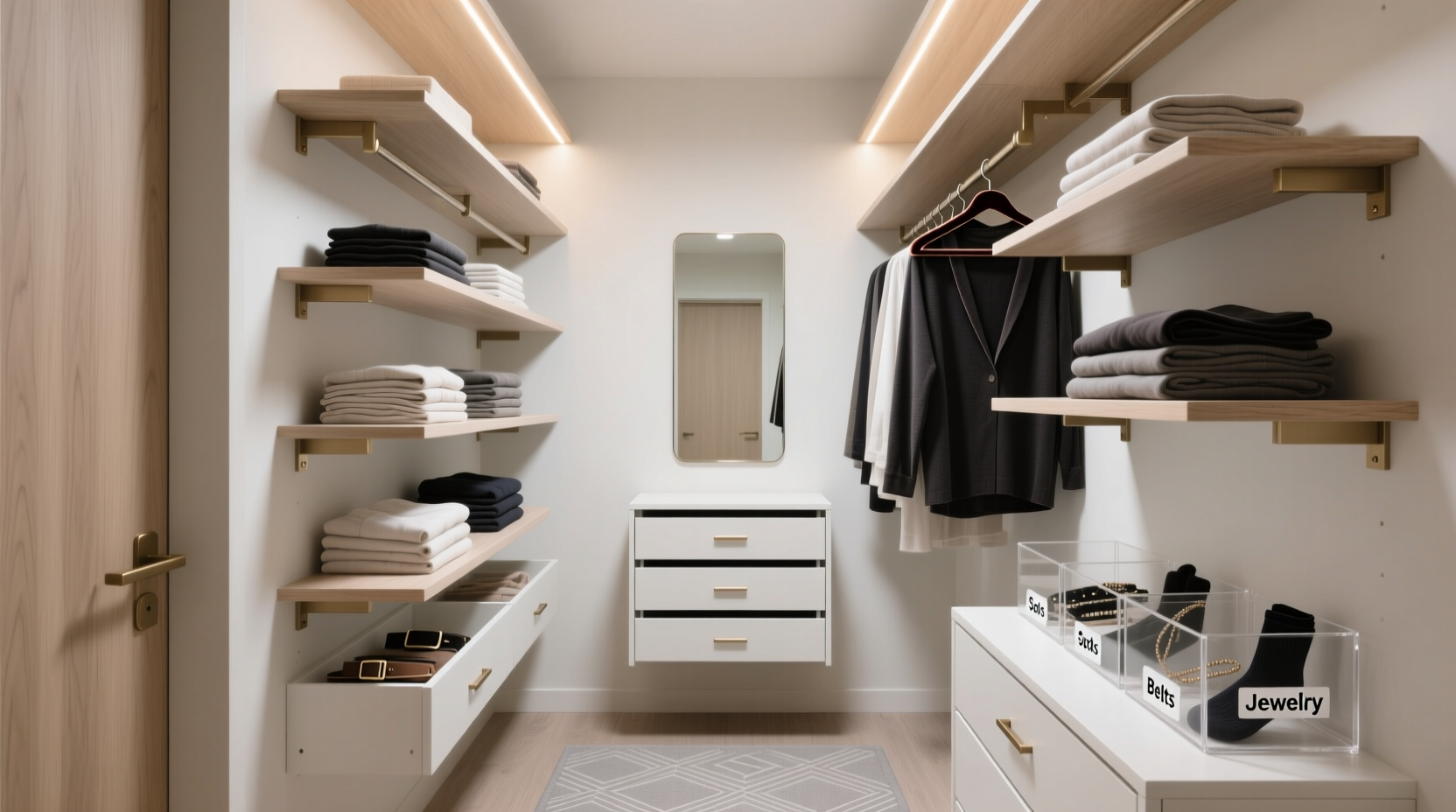
Before installing shelves or buying bins, take time to evaluate the actual dimensions and usage patterns of your closet. Measure height, width, and depth accurately. Note obstructions like vents, outlets, or sloped ceilings. Understanding these constraints prevents wasted purchases and ensures every addition fits seamlessly.
Next, analyze how you use the space. Are you storing mostly folded items? Do you need frequent access to shoes or accessories? Are seasonal clothes rotated regularly? Categorizing your habits helps prioritize zones within the closet. For example, if you wear blazers daily, dedicate prime hanging space to them. If scarves pile up on the floor, plan for dedicated vertical organizers.
Optimize Vertical and Horizontal Space
Small closets often go underutilized because people focus only on floor-level storage. Maximizing both vertical and horizontal real estate dramatically increases capacity without expanding footprint.
Install double-hang rods: place one standard rod for shirts and jackets, and a second lower rod for pants or skirts. This simple upgrade doubles hanging space. Use the top shelf for infrequently used items like luggage or off-season storage boxes. Clear, labeled bins keep contents visible and dust-free.
Don’t overlook the back of the door. Over-the-door organizers with pockets work well for belts, ties, socks, or jewelry. Slim hooks along the side walls hold robes, bags, or frequently worn outerwear. Even the floor can be optimized—stackable drawers or rolling bins slide neatly under hanging clothes, ideal for folded sweaters or workout gear.
“Every inch counts in a small closet. The most effective systems use depth, height, and shadow spaces others ignore.” — Lena Torres, Interior Organizer & Author of *Compact Living Essentials*
Smart Storage Solutions That Work
The right tools make a dramatic difference. Choose modular, adjustable components that adapt as your needs change. Here are some high-impact options:
- Adjustable shelving: Allows customization for different item heights (e.g., folded jeans vs. delicate knits).
- Sliding pull-out baskets: Provide access to deep shelves without digging.
- Stackable fabric bins: Ideal for separating categories like gym clothes, sleepwear, or seasonal accessories.
- Velcro cable ties: Keep scarves, cords, or straps neatly bundled and tangle-free.
- Shoe cubbies or heel hangers: Prevent shoe piles while preserving sole integrity.
For drawers within closets or built-in units, consider dividers. Small compartments prevent socks and underwear from becoming jumbled. Drawer liners add grip and protect delicate fabrics.
| Solution | Best For | Space Saved | Style Impact |
|---|---|---|---|
| Double Hang Rods | Shirts + Pants | 50% more hanging | Clean, structured |
| Over-the-Door Organizer | Accessories | Reclaims door space | Minimalist |
| Stackable Bins | Folded Items | Utilizes vertical stack | Uniform, modern |
| Pull-Out Shoe Rack | Footwear | Eliminates floor clutter | Polished, accessible |
| Drawer Dividers | Undergarments | Prevents disarray | Tidy, luxury feel |
Step-by-Step: Reorganize Your Closet in One Afternoon
A complete overhaul doesn’t require days. Follow this realistic timeline to transform your small closet efficiently:
- Clear Out (20 minutes): Remove everything. Lay items on the bed or floor to assess each piece.
- Sort & Declutter (30 minutes): Create four piles: Keep, Donate, Repair, Store Seasonally. Be ruthless—discard stained, ill-fitting, or unused items.
- Measure & Plan (15 minutes): Sketch a quick layout noting where hanging, folding, and accessory zones will go.
- Install Organizers (45 minutes): Add rods, shelves, bins, or door racks. Ensure all hardware is secure.
- Restock Strategically (30 minutes): Place frequently used items at eye level. Group by category and color for visual cohesion.
- Final Touch (10 minutes): Add labels, lighting (like battery-powered LED strips), and a scented sachet for freshness.
Design With Style in Mind
Organization doesn’t have to look utilitarian. A well-designed closet enhances your daily routine with inspiration and ease. Choose cohesive materials and finishes—wood-toned bins, brushed metal rods, or matte black hooks create continuity. Stick to a neutral or monochromatic palette for containers to maintain calm visual flow.
Lighting plays a critical role. Poor illumination makes even an organized closet feel dark and uninviting. Install motion-sensor LED strips inside or above shelves. They activate when you open the door, highlighting contents without wiring hassles.
Consider adding a small full-length mirror on the inside of the door. It saves wall space and turns the closet into a functional dressing area. A decorative hook near the entrance holds a favorite bag or jacket, doubling as a style accent.
Real Example: Transforming a 3-Foot Reach-In Closet
Sophie, a graphic designer in Brooklyn, struggled with a cramped 36-inch-wide closet in her one-bedroom apartment. Shirts were crumpled, shoes littered the floor, and she often wore the same few outfits out of frustration.
She applied a zone-based strategy: installed a double hang rod (top for blouses, bottom for slacks), added a pull-down hanging rack for scarves, and used three stackable canvas bins labeled “Sweaters,” “Workout Gear,” and “Beachwear.” She mounted an over-the-door organizer for belts and sunglasses and lined the back wall with adhesive hooks for tote bags.
The result? Her closet now holds 40% more items, and she gets dressed faster. “It feels like I have a boutique system in a tiny footprint,” she said. “I actually enjoy opening it now.”
Avoid Common Organization Mistakes
Even well-intentioned efforts can backfire if based on misconceptions. Watch out for these pitfalls:
- Overbuying organizers: Too many bins and trays create visual noise and reduce usability.
- Ignoring weight limits: Floating shelves or door organizers collapse if overloaded.
- Storing clothes too tightly: Cramped hangers stretch shoulders and crease fabrics.
- Using opaque containers: Without labels or transparency, you’ll forget what’s inside and waste time searching.
- Neglecting airflow: Sealing clothes in plastic bins long-term can trap moisture and cause mildew.
“Organization should serve you, not complicate your life. If a system feels fussy, it won’t last.” — Marcus Lee, Professional Home Stager
Checklist: Build Your Small Closet System
Use this checklist to ensure no detail is missed during your reorganization:
- ☐ Measure closet interior (height, width, depth)
- ☐ Empty all contents and clean surfaces
- ☐ Sort items into Keep, Donate, Repair, Store categories
- ☐ Decide on zones (hanging, folding, shoes, accessories)
- ☐ Purchase slim hangers and matching bins
- ☐ Install double hang rods or adjustable shelving
- ☐ Add over-the-door or wall-mounted organizers
- ☐ Label all containers clearly
- ☐ Install lighting for visibility
- ☐ Place frequently used items at eye level
- ☐ Review and adjust after two weeks of use
Frequently Asked Questions
How do I fit more shoes in a small closet?
Use vertical space: install a pull-out shoe rack, heel hangers on the door, or stackable cubbies. Store off-season pairs in under-bed containers to free up room.
Should I fold or hang my clothes?
Fold knits, sweaters, and heavy fabrics to prevent stretching. Hang dress shirts, blazers, dresses, and trousers to minimize wrinkles. Avoid overcrowding hangers—leave a finger’s width between garments.
What’s the best way to store seasonal clothing?
Use breathable cotton storage bags or vacuum-sealed packs (for non-delicate items). Label clearly and place on high shelves or under-bed bins. Rotate twice a year to keep your closet relevant and uncluttered.
Conclusion: Turn Constraints Into Creative Opportunity
A small closet isn’t a limitation—it’s an invitation to design with intention. By combining intelligent storage techniques with thoughtful aesthetics, you create a space that works harder and looks better. The goal isn’t just to fit more inside, but to make getting dressed easier, more enjoyable, and reflective of your personal style. Every decision, from hanger choice to lighting, contributes to a seamless daily rhythm.




 浙公网安备
33010002000092号
浙公网安备
33010002000092号 浙B2-20120091-4
Comments
No comments yet. Why don't you start the discussion?