
A well-stocked kitchen often comes with a chaotic spice drawer—jumbled containers, faded labels, and forgotten bottles buried at the back. This clutter doesn’t just look messy; it slows down cooking, leads to duplicate purchases, and can even result in expired spices being used unknowingly. The good news: transforming your spice drawer into an efficient, accessible system is simpler than you think. With thoughtful sorting, smart storage, and a few organizational tools, you can create a setup that saves time, reduces waste, and makes meal prep more enjoyable.
Assess Your Current Spice Collection
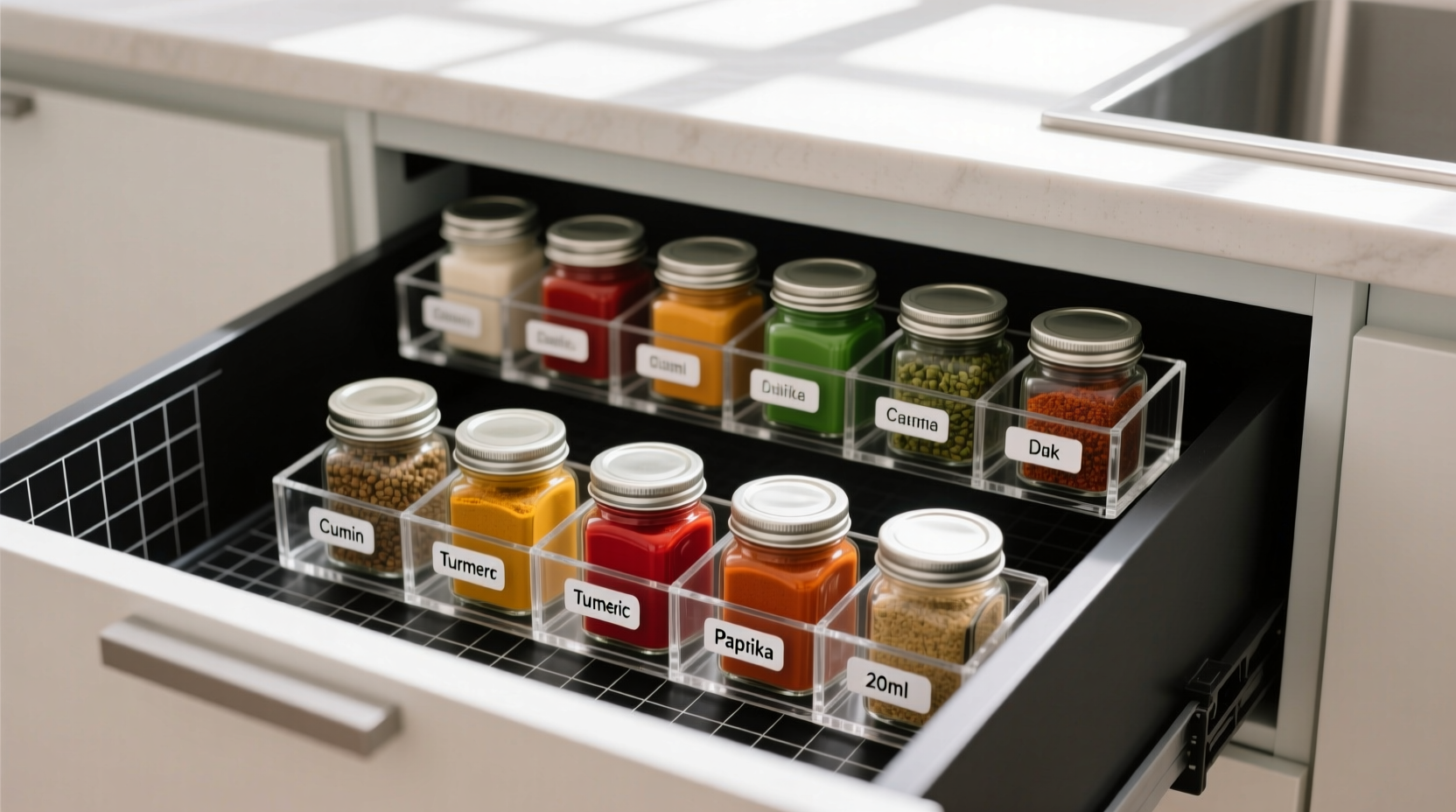
The first step toward organization is understanding what you already have. Begin by removing every spice from your drawer and placing them on a clean surface. Group them by category—baking spices (cinnamon, nutmeg), herbs (oregano, thyme), chilies (cayenne, paprika), salts and peppers, curry blends, and international mixes. As you sort, check expiration dates. Whole spices generally last 3–4 years, ground spices 2–3 years, and seasoning blends about 1–2 years. Discard anything past its prime or that no longer has a strong aroma when sniffed.
While assessing, consider your cooking habits. Are there spices you use daily? Weekly? Rarely? Mark these with colored stickers or make a quick mental note—this will guide placement later. Also, identify duplicates. It’s common to find three jars of cumin because they were bought at different times or stores. Consolidate where possible.
Choose the Right Storage System
Not all spice containers are created equal. The goal is visibility, accessibility, and consistency. Uniform containers eliminate visual chaos and make labeling easy. Consider transferring spices from their original packaging into matching glass or plastic jars with shaker lids. Square or rectangular containers maximize space better than round ones in a drawer.
Drawer inserts are game-changers. Adjustable acrylic dividers allow you to customize compartments based on jar size. Tiered trays elevate back rows so every label is visible. Lazy Susans work well in deep drawers but may be less stable in narrow spaces. For those with limited drawer depth, wall-mounted racks or under-cabinet magnetic strips offer excellent alternatives.
“Uniformity in size and labeling reduces decision fatigue and speeds up cooking.” — Sarah Lin, Kitchen Organization Consultant
| Storage Type | Best For | Limitations |
|---|---|---|
| Acrylic Drawer Dividers | Small to medium collections; customizable layouts | May shift with frequent use |
| Tiered Tray | Maximizing visibility in deep drawers | Limited capacity; may not fit all drawer sizes |
| Magnetic Tins | Under-cabinet mounting; modern kitchens | Requires metal surface or adhesive backing |
| Lazy Susan | Large collections; corner cabinets | Needs clearance; can wobble in drawers |
Label Clearly and Consistently
Clear labeling is essential for long-term maintenance. Use a label maker, waterproof stickers, or write directly on containers with a fine-tip permanent marker. Include both the spice name and purchase/expiry date. Alphabetical order is the most intuitive system for most people—arrange spices A to Z so cilantro isn’t hiding behind cardamom. Alternatively, group by cuisine (Italian, Indian, Mexican) or frequency of use (daily, occasional, specialty).
If you're using clear containers, ensure labels are placed on the same side (e.g., always the front) so they’re readable when stored. For square jars, consider labeling two sides—one for the drawer view, one for shelf storage if needed.
Step-by-Step Guide to Organizing Your Spice Drawer
- Empty the drawer completely. Remove all contents, including stray packets, old oils, or utensils.
- Wipe down the interior. Clean with a damp cloth and mild detergent. Let dry before replacing items.
- Sort and purge. Group spices, check freshness, and discard expired or unused items.
- Decide on a container system. Choose uniform jars or tins. Transfer contents and label immediately.
- Select an organizational insert. Measure your drawer and pick a tray, tiered shelf, or divider set that fits.
- Arrange by priority. Place frequently used spices at the front or center. Alphabetize the rest.
- Test accessibility. Open and close the drawer several times to ensure containers don’t shift or block access.
- Create a backup list. Take a photo or make a digital inventory of your spices for shopping reference.
This process typically takes 45–90 minutes, depending on collection size. Once complete, maintenance becomes much easier—simply return each spice to its designated spot after use.
Real Example: From Chaos to Clarity
Take Maria, a home cook in Portland who loves experimenting with global flavors. Her spice drawer had become a catch-all: 47 containers crammed into a 14-inch-wide space, with labels facing every direction. She often wasted time searching for turmeric or grabbed smoked paprika instead of sweet. After following the eight-step process, she invested in a two-tier acrylic organizer and transferred her most-used 25 spices into labeled glass jars. The rest—specialty blends and infrequently used items—were moved to a labeled pantry box. Now, she opens her drawer and sees everything at a glance. “I’ve cut my prep time by nearly five minutes,” she says. “And I’m not buying duplicates anymore.”
Do’s and Don’ts of Spice Drawer Organization
| Do | Don’t |
|---|---|
| Use consistent container sizes | Mix different shapes and heights randomly |
| Label with legible, durable tags | Rely on original packaging that fades |
| Store away from heat and light | Keep spices above the stove or in sunlit windows |
| Group by usage or alphabet | Organize by color or package type |
| Review inventory twice a year | Forget to check expiration dates |
Heat, humidity, and sunlight degrade spice quality quickly. Even the best-organized drawer won’t preserve flavor if located near a stovetop or oven. If your only drawer is adjacent to the range, consider relocating your spices to a nearby cabinet or cart. Alternatively, use the drawer for daily essentials and store backups elsewhere.
Frequently Asked Questions
How many spices should I keep in my drawer?
Aim for 15–25 core spices based on your cooking habits. This keeps the drawer functional without overcrowding. Store specialty or seasonal blends elsewhere and rotate them in as needed.
Should I keep spices in their original packaging?
Only if the packaging is durable, clearly labeled, and uniform in size. Most store-bought containers vary in shape and opacity, which creates visual clutter. Transferring to matching jars improves both aesthetics and usability.
What’s the best way to organize small spice packets?
Transfer loose packets into labeled containers as soon as possible. If you must keep packets, store them in a small zip-top bag or recipe card holder within the drawer to prevent scattering.
Expert Tips for Long-Term Success
Organization isn’t a one-time task—it requires light maintenance. Here are proven strategies to keep your system working:
- Implement a “one in, one out” rule. When adding a new spice, remove an unused or expired one to prevent accumulation.
- Use a digital tracker. Apps like Pantry Check or Out of Milk help monitor expiration dates and generate shopping lists.
- Rotate stock. Place newer purchases behind older ones to use up existing supplies first—a practice known as FIFO (First In, First Out).
- Limit impulse buys. Only add a spice if you have a recipe that uses it within the next month.
“The most organized kitchens aren’t perfect—they’re simply designed around real behavior.” — James Reed, Professional Organizer
Conclusion: A Small Change with Big Impact
An organized spice drawer does more than tidy up a cabinet—it transforms the cooking experience. No more rummaging, guessing, or wasting ingredients. Instead, you gain confidence, efficiency, and a subtle sense of calm every time you reach for cumin or coriander. The effort you invest now pays off in smoother weeknight dinners, bolder flavors, and a kitchen that truly supports your lifestyle.
You don’t need expensive tools or a full renovation. Start today with what you have: empty the drawer, assess your collection, and place your most-used spices where they’re easiest to grab. Build from there. In less than two hours, you can create a system that lasts for years.




 浙公网安备
33010002000092号
浙公网安备
33010002000092号 浙B2-20120091-4
Comments
No comments yet. Why don't you start the discussion?