
Packing light isn’t just a travel trend—it’s a practical skill that saves time, reduces stress, and cuts costs. Airlines charge hefty fees for checked bags, and waiting at baggage claim eats into precious vacation hours. The solution? Master the art of packing a carry-on for a full week of travel. With thoughtful planning, strategic folding, and a few insider tricks, you can fit everything you need in a single bag that meets airline size restrictions. This guide delivers actionable advice from frequent flyers, professional organizers, and aviation insiders to help you travel smarter.
Choose the Right Carry-On Bag
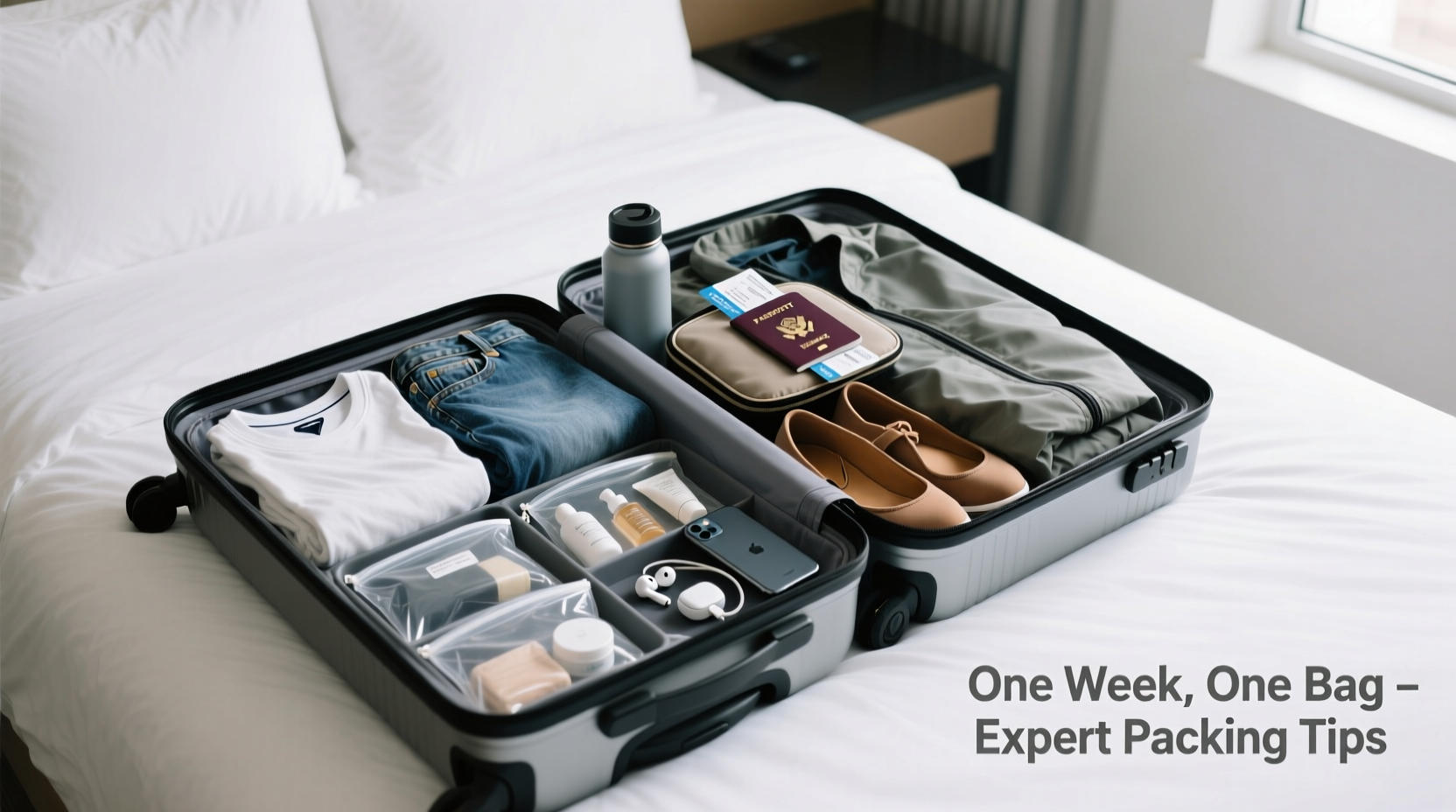
The foundation of efficient packing starts with selecting the right bag. Not all carry-ons are created equal. A well-designed suitcase maximizes interior space, offers organizational compartments, and fits easily in overhead bins. Look for a bag that measures no more than 22 x 14 x 9 inches—the standard limit for most major airlines including Delta, United, and American Airlines.
Consider features like:
- Durable, lightweight materials (e.g., polycarbonate or ballistic nylon)
- Smooth 360-degree spinner wheels
- Expandable zipper for slight overflow
- Front-loading design for easier access
- Dedicated laptop sleeve or tech pocket
Plan Your Outfits Strategically
One of the biggest mistakes travelers make is overpacking “just in case” outfits. Instead, adopt a capsule wardrobe approach. Choose versatile clothing items that can be mixed and matched across multiple days. Stick to a cohesive color palette—neutrals like black, gray, navy, or beige allow for effortless coordination.
For a seven-day trip, aim for:
- 5 tops (including one dressy option)
- 2 bottoms (one casual, one semi-formal)
- 1 dress or suit (if needed for business or evening events)
- 1 lightweight jacket or cardigan
- Underwear and socks for each day
- One sleepwear set
- Workout clothes (optional)
Wear your bulkiest items—like boots, jeans, or a coat—on travel days to save space in your bag. This simple move frees up significant room and keeps essentials accessible.
“Efficient packing starts before you even open your suitcase. Plan every outfit based on your itinerary, weather, and activity level.” — Laura Thompson, Travel Organizer & Founder of JetSet Minimalist
Use Space-Saving Packing Techniques
How you fold or roll your clothes makes a dramatic difference in available space. Traditional folding creates air pockets and uneven layers. Switch to proven compression methods instead.
Rolling vs. Folding: What Works Best?
| Method | Best For | Space Saved | Wrinkle Risk |
|---|---|---|---|
| Rolling | T-shirts, knits, jeans, activewear | High | Low |
| Filing (KonMari-style) | Dress shirts, blouses, lightweight pants | Moderate | Low-Moderate |
| Bundle Wrapping | Dressier garments, wrinkle-prone fabrics | Moderate | Very Low |
| Compression Cubes | Bulky items like sweaters, jackets | High | Depends on fabric |
Roll soft fabrics tightly and place them vertically in rows—this allows easy visibility and access without disturbing other items. Use packing cubes to group similar items (e.g., tops, underwear, workout gear). Compression cubes go further by squeezing out excess air, reducing volume by up to 50%.
Shoe Strategy
Shoes take up disproportionate space and can dirty clothes. Limit yourself to one pair in your bag—ideally lightweight and versatile, like slip-on loafers or foldable flats. Wear bulkier shoes (boots, sneakers) during transit.
To keep soles clean and protect interiors:
- Place shoes in shoe bags or shower caps
- Store near the bottom or sides of the suitcase
- Insert tissue paper or small towels to maintain shape
Step-by-Step: How to Pack Your Carry-On in 7 Steps
Follow this systematic method to maximize every inch of your carry-on:
- Start with a clean, empty suitcase. Wipe down compartments if needed.
- Lay out all intended items and edit ruthlessly. Remove anything non-essential.
- Place heaviest items at the bottom—near the wheels—to maintain balance.
- Use packing cubes to organize categories: tops, bottoms, underwear, etc.
- Roll or fold clothes using the appropriate technique and pack them tightly side-by-side.
- Add shoes and accessories along the edges. Fill gaps with socks or belts.
- Top with delicate or last-minute items like a sweater, travel documents, or electronics.
After packing, close the bag and gently press down. If it zips smoothly and doesn’t feel strained, you’re within limits. If not, remove one or two items—usually an extra top or accessory.
What to Leave Behind (And What to Bring)
Minimizing possessions requires discipline. Many travelers unknowingly pack duplicates or rarely used items. Be honest about what you’ll actually use.
| Do Bring | Avoid Bringing |
|---|---|
| Travel-sized toiletries in leak-proof containers | Full-size bottles of shampoo or lotion |
| Multi-use products (e.g., tinted moisturizer with SPF) | Entire skincare routines with 5+ steps |
| Laundry bag for soiled clothes | Extra “backup” outfits “just in case” |
| Mini sewing kit or safety pins | Iron or steamer (most hotels offer these) |
| Portable charger | Multiple chargers for different devices |
| Neck pillow and eye mask (if flying) | Books or physical magazines (use e-reader apps) |
Limit toiletries to the basics: toothbrush, toothpaste, deodorant, face wash, and a small bottle of moisturizer. Transfer liquids into reusable silicone bottles. Remember, TSA allows containers of 3.4 oz (100 ml) or less in a single quart-sized clear bag.
Real-World Example: One Bag Across Europe
Sophie, a marketing consultant from Chicago, recently spent eight days traveling through Italy and Switzerland with only a carry-on. Her suitcase was a 20L hard-shell spinner. She wore her denim jacket and ankle boots on flights and packed:
- Five merino wool blend tops (odor-resistant and wrinkle-free)
- Two pairs of dark-wash jeans
- One black midi dress
- A lightweight trench coat
- Seven pairs of underwear and socks
- Compact travel sandals
She washed a few key pieces in the sink after four days, hanging them to dry overnight. By mixing and matching, she wore six different “outfits” without repetition. She avoided checked baggage fees totaling $140 round-trip and breezed through airports without waiting for luggage.
“I was skeptical at first,” Sophie said, “but once I trusted the system, I never looked back. I felt lighter, freer, and more in control.”
Frequently Asked Questions
Can I pack a week’s worth of clothes in a carry-on if I’m going to a formal event?
Yes. Pack a wrinkle-resistant dress shirt, blazer, or cocktail dress and wear it during travel if possible. Use tissue paper between fabric layers to reduce creasing. Upon arrival, hang the garment in a steamy bathroom to refresh it.
What if I need to bring medication or medical equipment?
Medications in original containers are allowed in carry-ons. Insulin, inhalers, and mobility aids are exempt from standard size limits. Notify TSA ahead of time if necessary. Always keep essential medications in your personal item, not checked luggage.
Is it possible to do laundry while traveling?
Absolutely. Most hotels provide sinks or laundry services. Use quick-dry fabrics like merino wool or synthetic blends. Pack a small amount of travel detergent or dissolvable laundry sheets. Wash items in the evening and hang them to dry overnight—many dry fully in 8–10 hours.
Essential Carry-On Checklist
Before zipping up, run through this checklist to ensure nothing critical is missed:
- ✅ Passport, ID, boarding passes (digital and printed)
- ✅ Phone, charger, power bank
- ✅ Credit cards, cash, wallet
- ✅ Medications and prescriptions
- ✅ Travel-sized toiletries in clear bag
- ✅ Earbuds or headphones
- ✅ Reusable water bottle (empty during security)
- ✅ Sunglasses and hat
- ✅ Snacks (nuts, granola bars)
- ✅ Notebook or journal (optional)
- ✅ Face masks and hand sanitizer
- ✅ Laundry bag and mini detergent
Final Thoughts: Travel Light, Live Freely
Packing a carry-on for a week isn’t about sacrifice—it’s about intentionality. When you strip away excess, you gain freedom: freedom from baggage fees, from airport delays, and from the burden of managing too much stuff. The habits you build—choosing versatile clothing, mastering rolling techniques, and editing ruthlessly—translate beyond travel into a more mindful lifestyle.
Every journey begins with a single step—and a single bag. With the right strategy, you can confidently walk through security, store your suitcase overhead, and step into your destination unencumbered. The world is easier to explore when you’re not weighed down.




 浙公网安备
33010002000092号
浙公网安备
33010002000092号 浙B2-20120091-4
Comments
No comments yet. Why don't you start the discussion?