
Packing for a trip shouldn’t be a chaotic last-minute scramble. Whether you're preparing for a weekend getaway or a three-week international adventure, efficient packing is the key to stress-free travel. One of the most effective tools in a seasoned traveler’s arsenal? Compression bags. These simple yet powerful accessories can double your suitcase capacity, keep clothes organized, and minimize wrinkles—all while protecting your garments from moisture and odors.
But simply owning compression bags isn’t enough. To truly pack like a pro, you need to understand how to use them strategically. This guide breaks down the science and art behind compression packing, offering actionable steps, real-world examples, and expert-backed methods that transform the way you pack.
Why Compression Bags Are a Game-Changer
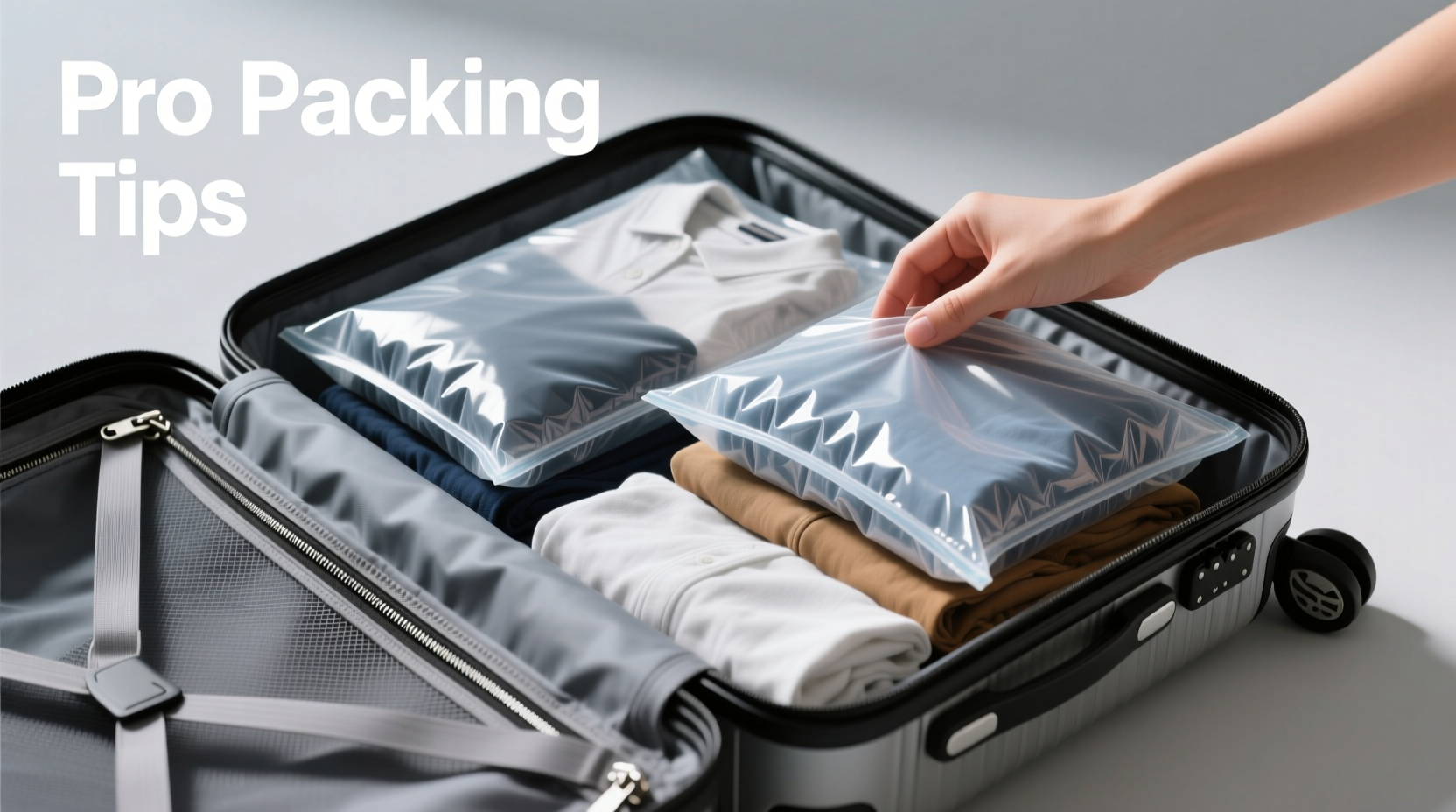
Compression bags work by removing excess air from clothing and soft items, reducing their volume significantly. Unlike traditional rolling or folding, which only compresses items slightly, vacuum-style or roll-top compression bags squeeze out trapped air, shrinking bulky layers like sweaters, jackets, and jeans into compact bundles.
The benefits go beyond just saving space:
- Maximized luggage capacity: Fit more into carry-ons, avoiding checked baggage fees.
- Better organization: Separate outfits or categories (e.g., tops, bottoms, activewear) into individual bags.
- Protection from elements: Most compression bags are water-resistant and shield clothes from dust and humidity.
- Easier unpacking: Open one bag at a time, keeping your hotel room tidy.
- Reduced wrinkling: When packed correctly, garments maintain shape and crease less than loose folding.
The Step-by-Step Method: Packing with Precision
Mastering compression bags isn't about squeezing as hard as possible—it's about smart layering and technique. Follow this timeline-tested process to pack efficiently and effectively.
- Choose the right type of compression bag. There are two main types: roll-compression (most common) and electric vacuum. Roll-compression bags require you to seal the top and manually roll down to push air out through a one-way valve. They’re lightweight, affordable, and ideal for most travelers. Electric versions connect to a pump or vacuum but add bulk and cost—best suited for frequent movers or those with mobility limitations.
- Select your clothing and sort by category. Group items: tops, pants, undergarments, sleepwear, outerwear. Decide what goes into each bag based on frequency of use and fabric sensitivity.
- Fold or roll garments properly before inserting. For wrinkle-prone fabrics like cotton dress shirts or blouses, fold neatly. For casual wear like t-shirts or hoodies, rolling works better and aligns fibers uniformly during compression.
- Fill each bag 70–80% full. Overfilling prevents proper sealing and may damage the zipper or valve. Leave room for air expulsion.
- Seal the bag completely. Ensure the zip-lock closure is fully engaged across its entire length. Any gap will prevent compression.
- Roll the bag from the valve end upward. Apply steady pressure to force air out through the valve. Stop when the bag feels firm but not strained. Some high-end models include pressure indicators.
- Place compressed bags into your suitcase strategically. Heavier, denser bags (like denim or jackets) should go at the bottom, near the wheels. Lighter ones (underwear, pajamas) can go on top or in gaps.
- Fill remaining spaces with shoes, toiletries, and electronics. Use shoe bags to protect clothing, and tuck small items into corners to maximize every inch.
Pro Tip: The “Reverse Unpacking” Strategy
Arrange your suitcase so the items you’ll need first are on top. If you’re arriving late at night, place sleepwear and toiletries above your compression-packed clothes. This avoids unpacking half your bag just to find your toothbrush.
Do’s and Don’ts of Using Compression Bags
| Do’s | Don’ts |
|---|---|
| Use breathable garment liners inside compression bags for delicate fabrics. | Compress leather, suede, or structured garments—they can lose shape. |
| Label each bag with contents or trip purpose (e.g., “Europe Fall Trip – Bottoms”). | Store items long-term in compressed state—this strains fibers. |
| Check airline size restrictions before over-packing your carry-on. | Wash compression bags in a machine—hand wash only with mild soap. |
| Use smaller bags for socks and underwear to avoid clutter. | Leave zippers exposed in luggage—cover with a soft layer to prevent scratches. |
| Recompress mid-trip if doing laundry to rebalance weight distribution. | Use sharp objects near bags—pins or jewelry can puncture material. |
Real Example: A Business Traveler’s 10-Day Trip
Sarah, a marketing executive, travels weekly between New York and London. Her challenge: looking polished while staying within carry-on limits. On a recent 10-day trip, she used three medium-sized compression bags:
- Bag 1: Five button-down shirts and two wool sweaters (folded).
- Bag 2: Three pairs of dress pants and one blazer.
- Bag 3: Undergarments, socks, and gym clothes (rolled).
After packing, she rolled each bag and achieved a 50% volume reduction. The result? She fit everything into a 22-inch spinner carry-on, including shoes, laptop, and toiletries. Upon arrival, she hung her pressed shirts immediately, and only minimal steaming was needed. By midweek, after washing a few items, she recompressed the refreshed clothes, maintaining balance in her suitcase.
This approach saved her $60 in baggage fees, reduced airport stress, and kept her wardrobe functional and wrinkle-controlled.
“Compression bags aren’t just about space—they’re about control. When you can predict exactly where each item is and how much room it takes, packing becomes strategic, not stressful.” — Marcus Lin, Professional Organizer & Travel Consultant
Your Smart Packing Checklist
Before zipping up your suitcase, run through this essential checklist to ensure optimal results:
- ☐ Choose the right size compression bags (small, medium, large) based on clothing volume.
- ☐ Sort clothes by type and planned usage order.
- ☐ Pre-fold or roll garments neatly before insertion.
- ☐ Avoid overfilling—leave space for air removal.
- ☐ Seal the zip-lock strip completely before rolling.
- ☐ Roll firmly from valve end to expel all air.
- ☐ Place heavier compressed bags at the base of the suitcase.
- ☐ Fill voids with non-compressible items (shoes, bottles, gadgets).
- ☐ Label each bag for quick identification.
- ☐ Weigh your suitcase post-packing to stay within airline limits.
Frequently Asked Questions
Can I use compression bags for all types of clothing?
No—not all fabrics respond well to compression. Knits, cotton, and synthetic blends handle compression excellently. However, avoid using them for tailored suits, leather, fur, or any garment with structured padding. These materials can lose shape or develop permanent creases. For suits, consider a foldable garment folder instead.
Do compression bags really save that much space?
Yes—depending on the fabric and method, compression bags can reduce volume by 30% to 70%. Bulky winter coats or multiple sweaters often see the greatest reduction. In testing, a standard medium compression bag holding four sweaters shrank from occupying 18 liters to just 6.5 liters—a game-changer for tight luggage allowances.
How do I care for my compression bags?
Clean them occasionally with a damp cloth and mild detergent. Never machine wash or dry. Allow them to air-dry completely before storing. Check valves and seals periodically for debris or wear. Store them unzipped and flat in a drawer to preserve elasticity and prevent mold.
Final Thoughts: Pack Smarter, Travel Freer
Packing efficiently isn’t about fitting more—it’s about traveling lighter, moving faster, and feeling more in control. Compression bags are more than a convenience; they’re a tool for smarter travel logistics. When used correctly, they eliminate guesswork, reduce physical strain, and help maintain the quality of your clothing across destinations.
The difference between an amateur and a professional packer isn’t the suitcase—it’s the system. By integrating compression bags into a thoughtful packing routine, you gain time, space, and peace of mind. You also avoid the frustration of overstuffed bags, unexpected fees, and disorganized hotel drawers.




 浙公网安备
33010002000092号
浙公网安备
33010002000092号 浙B2-20120091-4
Comments
No comments yet. Why don't you start the discussion?