
Packing a suitcase efficiently is more than just fitting everything in—it’s about balance, organization, and preserving the condition of your clothing. Whether you're preparing for a weekend getaway or a two-week international trip, the way you pack can determine how smoothly your journey begins and ends. Overstuffed bags lead to broken zippers, wrinkled outfits, and unnecessary stress at baggage claim. But with the right strategy, you can travel light, stay organized, and arrive looking polished.
The key isn’t just knowing what to bring—it’s mastering the art of arrangement, compression, and protection. From selecting versatile pieces to using proven folding and rolling methods, every detail contributes to a smarter packing process. This guide breaks down professional techniques used by frequent travelers, flight attendants, and wardrobe stylists to help you pack like a seasoned expert.
Choose the Right Luggage and Organize by Outfit
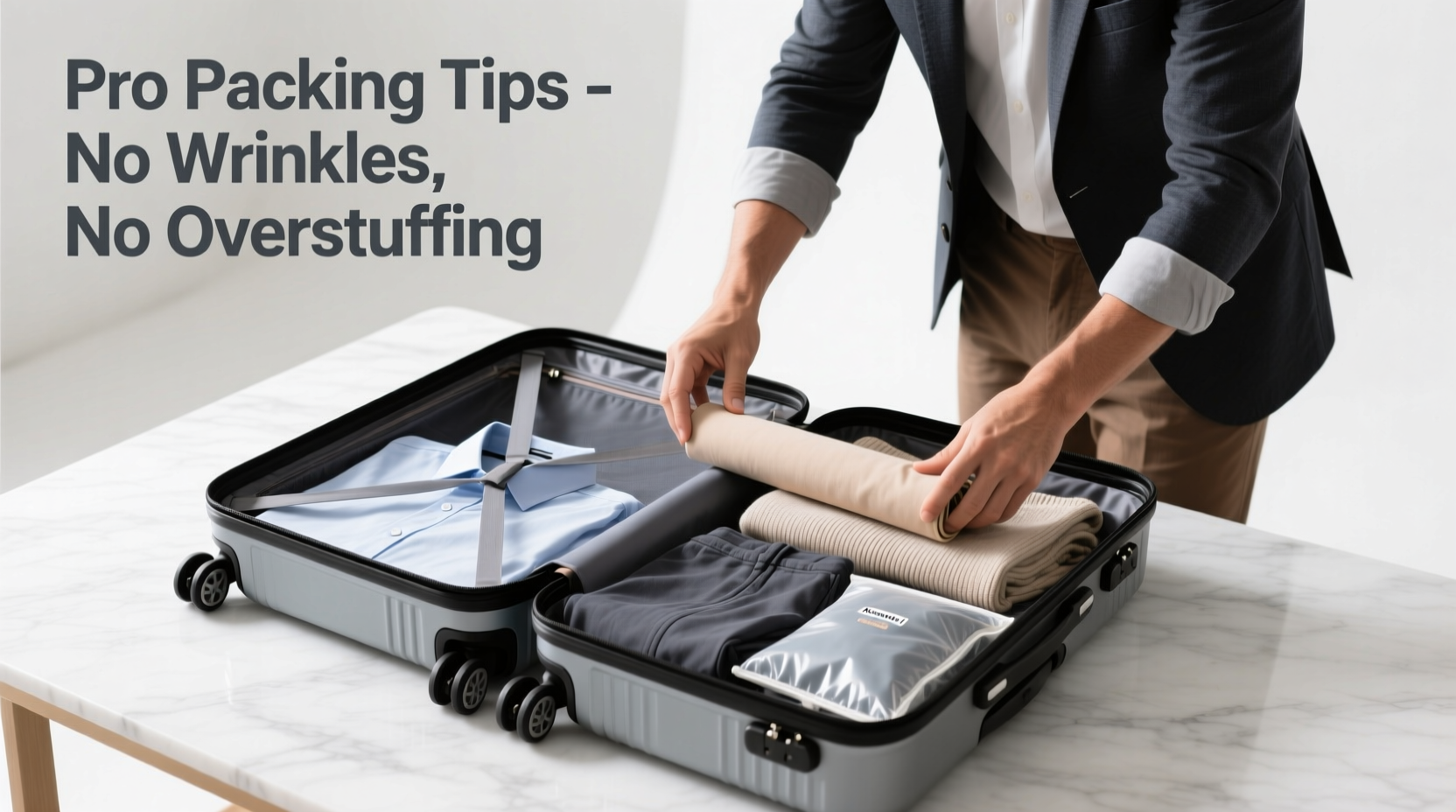
Before you even begin placing items into your suitcase, consider the bag itself. A well-designed suitcase with compartments, compression straps, and smooth-rolling wheels sets the foundation for efficient packing. Hard-shell cases offer protection but less flexibility; soft-sided luggage often allows for slight overpacking due to its expandable design.
More importantly, plan your outfits before opening the suitcase. Lay out complete ensembles—including tops, bottoms, shoes, and accessories—for each day of your trip. This prevents over-packing duplicates and ensures every item serves a purpose. Stick to a cohesive color palette so pieces can be mixed and matched.
Build a Capsule Wardrobe for Travel
A capsule wardrobe consists of interchangeable clothing items that work across multiple occasions. For example:
- One pair of dark jeans
- Two neutral-toned shirts (one casual, one dressy)
- A lightweight blazer or cardigan
- Comfortable walking shoes and one dressier pair
- Underwear and socks for each day
This minimalist approach reduces bulk while maintaining versatility. According to fashion stylist Lena Torres, “When I pack for clients on business trips, we never bring more than seven tops for ten days. Everything layers.”
“Efficient packing starts long before departure. If you haven’t chosen your outfits ahead of time, you’re already behind.” — Lena Torres, Professional Stylist & Travel Consultant
Master the Art of Folding vs. Rolling
There's an ongoing debate among travelers: should you fold or roll your clothes? The answer depends on the fabric, garment type, and suitcase layout.
Folding works best for structured clothing like button-down shirts, blazers, and dress pants. When done correctly, it minimizes creases and keeps garments flat. Use tissue paper between layers to reduce friction and prevent color transfer.
Rolling, on the other hand, saves space and reduces deep folds. It’s ideal for casual wear such as t-shirts, knitwear, underwear, and pajamas. Rolled clothes also act as cushioning around fragile items like electronics or toiletries.
| Garment Type | Recommended Method | Why? |
|---|---|---|
| Dress Shirts | Fold with tissue paper | Preserves collar shape and avoids shoulder creases |
| T-Shirts | Roll tightly | Saves space and resists deep wrinkles |
| Jeans | Fold in half, then roll or fold flat | Bulky but durable; rolling helps compress volume |
| Suits | Fold carefully along seams or use suit sleeve | Maintains drape; avoid sharp creases in lapels |
| Underwear/Socks | Roll or bundle together | Compact and easy to access |
Use Packing Cubes and Compression Techniques
Packing cubes are game-changers. These zippered fabric containers compartmentalize your suitcase, making it easier to organize categories (e.g., tops, bottoms, sleepwear) and locate items without unpacking everything.
Invest in a set of three to four sizes. Larger cubes hold bulky items like sweaters, while smaller ones fit undergarments or accessories. Some cubes even feature mesh panels for visibility.
For maximum efficiency, apply the compression principle: place heavier items at the bottom near the wheels, where they’ll have less impact on balance. Then stack lighter garments upward. Once packed, gently press down and secure compression straps to eliminate air pockets.
Bundle Packing: The Wrinkle-Free Alternative
For wrinkle-prone fabrics like silk, linen, or cotton dress shirts, try the bundle method—a technique favored by professional organizers. Instead of folding or rolling, you layer clothes around a central core (like a toiletry bag), creating a compact roll that distributes pressure evenly.
Here’s how it works:
- Start with flat, wrinkle-free garments laid out on a bed.
- Place a small bag (e.g., toiletries) in the center.
- Layer clothes symmetrically around it, starting with heavier items and finishing with delicate ones.
- Wrap the entire bundle tightly using a thin sheet or packing cloth.
- Secure with twine or elastic bands and place inside the suitcase.
Because there are no sharp folds, this method dramatically reduces creasing. Upon arrival, simply unroll and hang garments briefly—they’ll recover their shape naturally.
Protect Delicate Items and Optimize Space
Certain items demand special attention. Jewelry should be stored in a hard case or pill organizer to prevent tangling. Belts can be threaded through suitcase straps or wrapped around folded jackets to save space and maintain structure.
Toiletries must be leak-proof. Use travel-sized containers with screw caps, place them in a clear, sealable bag, and add a paper towel to absorb spills. Store this bag in an outer compartment or on top of your packed clothes to avoid crushing.
Don’t forget hidden spaces: stuff socks and underwear inside shoes, nest smaller bags within larger ones, and use hatboxes to protect headwear while filling voids.
Real Example: Business Trip Done Right
Sophia, a marketing executive based in Chicago, travels weekly for client meetings. On a recent five-day trip to Miami, she packed only a carry-on—and arrived looking camera-ready.
Her strategy? She pre-selected three mix-and-match outfits centered around a navy blazer. She rolled her t-shirts and jeans, folded her two dress shirts with tissue paper, and used a slim packing cube for accessories. Her suit was folded precisely along existing seams and placed on top. Using the bundle method for her dressier pieces, she avoided wrinkles entirely.
At the hotel, she hung her clothes immediately and used a $30 handheld steamer. “I don’t check bags anymore,” she says. “It’s faster, cheaper, and my clothes look better.”
Step-by-Step Guide to Pro Packing
Follow this timeline to pack efficiently and effectively:
- 72 hours before departure: Finalize itinerary and weather forecast. Select all outfits and lay them out.
- 48 hours before: Wash and dry all selected clothing. Press or steam if needed.
- 24 hours before: Begin packing non-clothing essentials—electronics, documents, toiletries.
- 12 hours before: Pack clothes using chosen method (cubes, rolling, bundling). Place heaviest items at the base.
- 1 hour before leaving: Double-check essentials (passport, charger, medication). Zip up and weigh suitcase.
This staggered approach reduces last-minute panic and ensures nothing gets forgotten. It also gives fabrics time to settle, minimizing bulges during transit.
Common Mistakes That Lead to Overstuffing
Even experienced travelers fall into these traps:
- Bringing “just in case” outfits: Extra dresses or formal wear often go unworn. Be honest about your schedule.
- Duplicating similar items: Three black t-shirts may seem useful, but two are usually enough.
- Packing full-size products: Full bottles of shampoo take space and add weight. Decant into travel containers.
- Ignoring laundry options: Most hotels offer guest laundry, or local services are affordable. You don’t need a week’s worth of underwear.
Aim to fill your suitcase only 80% initially. Leave room for souvenirs or unexpected purchases on return.
FAQ: Common Packing Questions Answered
How do I prevent clothes from wrinkling in a suitcase?
Use a combination of proper folding, tissue paper between layers, and the bundle method for delicate fabrics. Hang clothes upon arrival and use a portable steamer. Avoid over-packing, as tight compression increases creasing.
Can I pack a suit without a garment bag?
Yes. Fold the suit jacket along natural seams—place one lapel over the back, then fold sleeves inward. Fold pants in half lengthwise, then fold once more. Place the suit in a dry cleaning bag first to reduce friction, then position it on top of other clothes in the suitcase.
Is rolling really better than folding?
It depends. Rolling saves space and works well for casual, stretchy fabrics. Folding preserves the shape of structured garments. Many professionals use both: roll t-shirts and fold dress shirts. Experiment to see what works for your suitcase and clothing types.
Final Checklist: Pack Like a Pro
Use this checklist the night before your trip:
- ✅ Confirm weather forecast and finalize outfits
- ✅ Wash and prep all clothing (iron/steam if needed)
- ✅ Use packing cubes for organization
- ✅ Roll casual wear, fold formal wear with protective tissue
- ✅ Place heavy items at the bottom near wheels
- ✅ Wrap shoes in plastic bags and place in corners
- ✅ Secure toiletries in a sealed, absorbent-lined bag
- ✅ Weigh suitcase to ensure airline compliance
- ✅ Leave a small gap for return items
- ✅ Charge devices and pack adapters
Conclusion: Travel Lighter, Arrive Better
Packing like a pro isn’t about squeezing in more—it’s about bringing only what matters and protecting it with smart technique. By planning outfits in advance, choosing the right folding or rolling method, and using tools like packing cubes and compression, you can avoid the frustration of overstuffed luggage and wrinkled clothes.
The benefits go beyond convenience. Efficient packing reduces stress, saves money on baggage fees, and makes navigating airports smoother. More importantly, arriving with presentable clothing boosts confidence and sets a positive tone for your trip.




 浙公网安备
33010002000092号
浙公网安备
33010002000092号 浙B2-20120091-4
Comments
No comments yet. Why don't you start the discussion?