
Painting old furniture is one of the most rewarding ways to breathe new life into tired pieces. But nothing ruins a fresh coat faster than visible brush marks—streaks, ridges, and uneven texture that scream “DIY disaster.” The good news? A flawless, smooth finish isn’t reserved for professionals. With the right tools, materials, and techniques, you can achieve a factory-quality painted surface at home. This guide reveals the exact steps, products, and pro tips used by experienced furniture restorers to eliminate brush marks and deliver consistently silky results.
Why Brush Marks Happen (And How to Prevent Them)
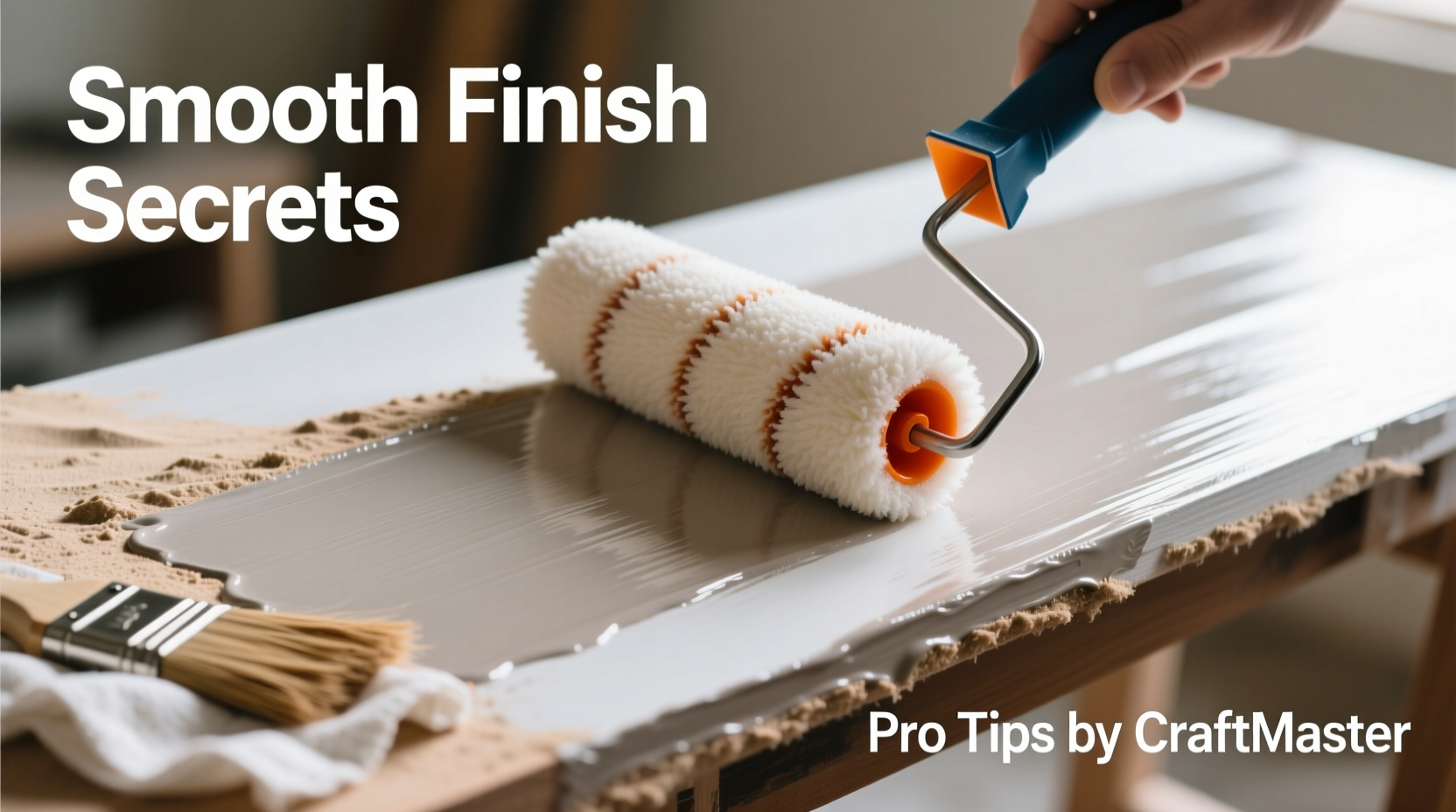
Brush marks form when paint doesn’t level properly after application. Instead of flowing into a uniform film, it dries in the pattern left by the brush—often with raised edges or inconsistent thickness. Several factors contribute:
- Low-quality paint: Thin, fast-drying paints lack self-leveling properties.
- Poor brush choice: Stiff or worn brushes leave deep grooves.
- Rushing the process: Applying thick coats or working too quickly prevents proper flow.
- Inadequate prep: Dust, grease, or rough surfaces interfere with even adhesion.
- Humidity and temperature: Extreme conditions affect drying time and paint behavior.
The key to avoiding brush marks lies not just in technique but in understanding how each step—from sanding to topcoat—affects the final appearance.
The Right Tools Make All the Difference
You can't paint smoothly with subpar tools. Investing in quality supplies pays off in both efficiency and finish quality.
Choosing the Best Paint
Not all paints are created equal when it comes to achieving a smooth finish. Avoid basic flat latex wall paint—it’s designed for walls, not furniture, and lacks durability and leveling ability.
Opt instead for:
- Chalk-style paint with added bonding agent – Easy to apply and sands well, but often requires sealing.
- Acrylic enamel (e.g., Benjamin Moore Advance) – Self-leveling, low-VOC, and dries to a hard, smooth finish.
- Water-based urethane-modified paint – Combines ease of cleanup with exceptional durability and flow.
“Benjamin Moore Advance has changed the game for DIYers. Its oil-like leveling with water-based cleanup makes it ideal for furniture refinishing.” — James Holloway, Professional Furniture Restorer
Selecting the Ideal Brush
A high-quality synthetic brush is essential. Look for:
- Fine, flagged bristle tips for smooth release.
- A tapered edge for precision work.
- Medium stiffness—too soft won’t carry enough paint; too stiff leaves marks.
Brands like Purdy, Wooster, and Corona offer reliable options. Replace brushes regularly—frayed or splayed bristles ruin even the best paint job.
Sanding Equipment
Smooth starts with prep. Use a random orbital sander (120–220 grit) for large surfaces. For detail work, use folded sandpaper or a sanding sponge. Always sand with the grain to avoid cross-hatching.
Step-by-Step Guide to a Brush-Mark-Free Finish
Follow this detailed process to minimize brush marks and maximize smoothness.
- Disassemble and clean thoroughly: Remove hardware and wash with mild detergent to eliminate grime and wax. Rinse and dry completely.
- Sand the surface: Start with 120-grit paper to remove gloss and imperfections, then move to 220-grit for a fine finish. Wipe with a tack cloth.
- Fill dents and repair damage: Use wood filler for gaps or chips. Sand flush once dry.
- Apply primer if needed: Especially important for porous wood, stains, or dramatic color changes. Use a bonding primer for laminate or veneer.
- Stir, don’t shake, the paint: Shaking introduces bubbles that pop and leave craters. Stir slowly and thoroughly.
- Use a paint conditioner (optional but effective): Add 10% Floetrol (for latex) or Penetrol (for oil-based) to improve flow and extend drying time.
- Load the brush properly: Dip only one-third of the bristle length. Tap gently—don’t wipe hard—on the can’s edge to remove excess.
- Apply thin, even coats: Work in small sections using long, unidirectional strokes. Overlap slightly but avoid going back and forth.
- Let paint self-level: Don’t overwork the surface. Once applied, let it settle naturally.
- Lightly sand between coats: After 24 hours, use 320-grit wet/dry sandpaper with water or mineral spirits to knock down any nibs. Wipe clean.
- Repeat for 2–3 coats: Most paints require multiple layers for opacity and depth.
- Final sand and polish (optional): For ultra-smooth results, buff with 400+ grit paper or polishing compound.
- Seal with a clear topcoat: Use water-based polyurethane (matte or satin) applied with a foam pad or high-density roller.
Pro Technique: The “Wet Edge” Method
Maintaining a wet edge prevents lap marks—the darker lines where wet paint meets dried paint. Work from top to bottom, finishing one section before moving to the next. If painting a table, start with legs, then apron, then top. Never stop mid-panel.
Do’s and Don’ts of Smooth Furniture Painting
| Do’s | Don’ts |
|---|---|
| Use high-quality, self-leveling paint | Use cheap wall paint meant for drywall |
| Sand thoroughly between coats | Skimp on prep or skip sanding |
| Add paint conditioner to improve flow | Thin paint with water (can weaken film integrity) |
| Work in a dust-free environment | Paint in a garage full of debris or pet hair |
| Apply thin, even layers | Apply thick coats to “get it done faster” |
| Let each coat cure fully before sanding | Sand too soon and create gummy residue |
Real Example: Reviving an Oak Dresser
Sarah, a homeowner in Portland, inherited a 1970s oak dresser with heavy grain and water stains. Her first attempt used chalk paint and a $5 brush—resulting in obvious brush strokes and patchiness. She stripped it, started over, and followed these adjustments:
- Sanded to 220-grit and filled grain with wood conditioner.
- Used Benjamin Moore Advance in Dove Wing Gray.
- Added 10% Floetrol to the paint.
- Applied three thin coats with a Purdy brush, sanding with 320-grit between each.
- Finished with two coats of General Finishes High Performance Top Coat.
The result was a sleek, modern piece indistinguishable from store-bought furniture. No brush marks, no orange peel—just a buttery-smooth surface that impressed her interior designer friend.
Checklist for a Flawless Paint Job
Print or save this checklist to ensure you don’t miss a critical step:
- ✅ Disassemble furniture and remove hardware
- ✅ Clean surface with degreaser or TSP substitute
- ✅ Sand with 120 → 220 grit; wipe with tack cloth
- ✅ Repair dents or scratches with wood filler
- ✅ Apply bonding primer if needed
- ✅ Stir paint gently; add 10% Floetrol for better flow
- ✅ Use a premium synthetic brush or foam roller
- ✅ Apply thin, even coats in one direction
- ✅ Maintain a wet edge; avoid overworking
- ✅ Wait 24 hours, then sand lightly with 320-grit
- ✅ Repeat for 2–3 total coats
- ✅ Seal with 2 coats of water-based poly
- ✅ Cure for 7–14 days before heavy use
Frequently Asked Questions
Can I use a roller instead of a brush?
Yes—and sometimes it’s better. A high-density foam roller (not a textured one) applies paint incredibly evenly and eliminates brush marks entirely on flat surfaces. Use it for tabletops, cabinet doors, and drawer fronts. Pair with a quality brush for edges and details.
Why does my paint still have streaks after drying?
Streaks usually mean the paint dried too fast to level, or the brush was overloaded and dragged. Humidity below 40% or temperatures above 80°F accelerate drying. Try adding Floetrol, working in cooler conditions, and applying thinner coats.
How long should I wait between coats?
For water-based paints like acrylic enamel, wait at least 12–24 hours between coats. Rushing leads to wrinkling or lifting. Always follow manufacturer guidelines and err on the side of caution.
Final Tips for Perfection
Achieving a smooth, brush-mark-free finish is less about talent and more about patience and precision. One overlooked factor is curing time: even if paint feels dry, it takes up to 30 days to fully harden. During this period, avoid placing heavy objects or using abrasive cleaners.
Also consider your environment. Paint in a room with stable temperature (65–75°F) and moderate humidity (40–60%). Close windows to prevent dust from settling into wet paint. Lay down drop cloths and keep pets and kids away during application.
Conclusion: Transform Furniture Like a Pro
Painting furniture without brush marks is entirely achievable with the right approach. From selecting self-leveling paint to mastering thin-coat application and proper sanding, every step contributes to a seamless finish. You don’t need expensive equipment—just attention to detail and a willingness to slow down. Whether you’re updating a hand-me-down nightstand or giving a thrift-store find new life, these techniques ensure your work looks intentional, polished, and professional.




 浙公网安备
33010002000092号
浙公网安备
33010002000092号 浙B2-20120091-4
Comments
No comments yet. Why don't you start the discussion?